Gym Bag Hygiene: Stop the Funk
Educational information only – read the full notice
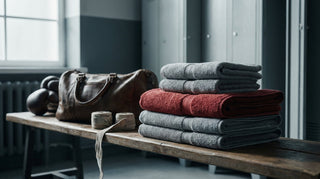
Open your training bag and recoil? The bag itself is half the problem. A damp, dark holdall full of sweaty kit is a perfect incubator for smell, and the lining holds onto it long after the kit's been washed. I've owned a couple of bags I had to bin before I worked this out, so here's a simple system to keep it under control. General guidance, not medical advice, and not about any product we sell.
⚡ 60-Second Summary
- Why it happens: a dark, damp holdall full of sweaty kit is an incubator, and the lining holds the smell after the kit is washed.
- The one habit: empty the wet kit the moment you get home. Everything else is downstream of that.
- Set it up in zones: wet kit, clean clothes, footwear and food all kept separate.
- Reset weekly: empty, shake out, wipe the lining, dry fully, repack. Deep clean the bag itself monthly.
Why bags get rank
Wet kit, plus a sealed dark space, plus warmth, equals exactly what odour-causing bacteria and fungi want. Leave a sweaty gi zipped in overnight and the smell embeds into both the kit and the bag itself - at which point even freshly washed kit starts smelling of bag the moment you put it in. The bag becomes the source, which is why washing your kit harder never quite fixes it.
The system
- Empty it the moment you get home. This is the single biggest habit, full stop. Damp kit goes straight into the wash or onto a hanger; don't let it sit.
- Separate dirty from clean. Use a sealable or dedicated wet bag inside your holdall so a sweaty gi never touches your clean clothes - handy on the road too, see travelling and competing hygiene.
- Dry everything fully before it goes back in - including the bag. Air it out, unzipped, rather than zipping it shut while it's still damp inside.
- Clean the bag periodically. Many bags can be wiped out or machine-washed per the label; either way, let it dry completely before use.
- Don't store damp towels in it. Same rules as your kit - a wet towel turns the whole bag into a problem.
Choosing and setting up a bag
You don't need anything fancy, but a few features help: decent ventilation (mesh panels or vents), a separate compartment or an internal wet bag for dirty kit, and a material you can actually wipe down or wash. A bag that breathes and can be cleaned beats an expensive sealed one that traps everything. If your current bag is a single sealed pocket, just add a cheap wet bag inside it and you've solved most of the problem already.
Fix kit that already smells
If the kit itself is the culprit rather than the bag, the washing routines in getting the smell out of a rashguard and rashguard hygiene will sort it. Often it's both - a smelly bag re-funks freshly washed kit - so deal with the two together rather than wondering why clean kit doesn't stay clean.
Deep cleaning the bag itself
Most people wash the kit and never touch the bag, which is why the smell comes back within a week. The lining holds onto it, and the bag is the one thing that never gets a cycle.
Check the label first, because some bags are machine washable and some very much are not. For a washable bag, empty every pocket, shake it out, then wash on a cool to warm cycle with a normal detergent dose and no fabric softener, and air dry it fully with all the zips open. For a bag that cannot go in the machine, do it by hand: empty it, vacuum out the grit and hair, wipe the lining and the seams with warm water and a little detergent, rinse the cloth and go over it again, then leave it open somewhere ventilated until it is completely dry inside.
Two details make the difference. First, get into the corners and seams, because that is where the debris and moisture collect. Second, dry it properly before anything goes back in, since a damp bag undoes the whole exercise. Do this monthly for a bag in constant use, and every couple of months for lighter use.
Setting the bag up in zones
A bag that smells is usually a bag with no separation, where wet kit, clean kit, footwear and food share one compartment. Zoning fixes most of it without buying anything clever.
- Wet zone. A separate waterproof bag or a dedicated compartment for used kit and a damp towel, opened the moment you get home.
- Dry zone. Clean clothes for after training, kept away from the wet zone entirely.
- Footwear. Its own bag or outer pocket, never loose against clean clothing.
- Wash kit. Soap, a small towel and anything else for the shower, in a pocket that can take a bit of moisture.
- Small essentials. Nail clippers, tape, plasters. Keeping nails short protects your training partners as much as you.
- Food and drink separate. A protein shaker abandoned in a training bag is its own category of horror, and it needs rinsing the same day, every time.
The system only works if the wet zone gets emptied on arrival. Everything else in this article is downstream of that one habit.
The car boot problem
Leaving the bag in the car is convenient and it is the worst option available. A closed car gets warm, a training bag holds moisture, and the combination is exactly what makes a bag smell. In summer that is obvious within a day; in winter the bag simply never dries out, which is slower but ends up in the same place.
If the bag genuinely has to live in the car between sessions, at least take the wet kit out and take it inside, leave the bag unzipped rather than sealed, and keep it out of direct sun. But the honest answer is that the bag comes inside, gets emptied, and gets left open to dry. Ten seconds of effort saves the deep clean above.
A weekly reset that takes five minutes
- Empty it completely, including the pockets everyone forgets.
- Shake it out or vacuum it, to clear grit, hair and the mystery debris at the bottom.
- Wipe the lining and seams, then leave it open to dry fully.
- Check the kit stock: clean towel in, spare socks in, nail clippers still there, anything expired taken out.
- Rinse or wash the shaker and any containers, and check nothing edible has been left behind.
- Repack in zones so the next session starts from a clean, dry bag.
Do that on the same day each week and the bag stops being a project. Pair it with washing kit promptly, covered in how to wash training kit, and the funk simply stops arriving.
The damp-kit chain reaction
The reason bag hygiene matters so much is that everything in there affects everything else. One damp towel or a sweaty gi left in overnight raises the humidity of the whole bag, and that lingering dampness is what lets smell embed into the lining and re-transfer to clean kit later. Break the chain at the source - empty, separate, dry - and the problem mostly solves itself. Keep feeding a sealed bag wet kit, and no amount of washing the clothes will fix a bag that has become the actual source of the smell. It's worth thinking of the bag as a piece of kit that needs maintaining, not just a container you ignore.
Common questions
How do I get the smell out of the bag itself?
Empty it, wipe out or wash it per the label, and let it dry completely - ideally in fresh air or sunshine. Airing it open between sessions rather than zipping it shut does most of the ongoing work. A persistently rank lining sometimes just needs a proper wash rather than another spray of deodoriser.
Do those little gym-bag deodoriser pods work?
They can help mask odour between washes, but they don't replace emptying, drying and cleaning. If the bag and kit are damp and dirty, a pod is fighting a losing battle; on a clean, dry, aired bag it's a nice extra rather than a fix.
Should I leave my bag in the car?
A hot car boot is about the worst place for it - warm, dark and airless, which is exactly the recipe for smell. Bring it inside, empty it, and let it air rather than leaving it to stew between sessions.
Mesh bag or sealed bag for dirty kit?
A sealed or waterproof wet bag is best for keeping damp, dirty kit away from clean clothes in transit - but the moment you're home, open it up and get everything out to dry. Sealed is for the journey, not for storage; left shut, it just incubates the smell.
How often should I clean the bag itself?
Air it out after every use, and give it a proper wipe-down or wash every few weeks - sooner if it's been holding damp kit or starts to smell. Like the kit inside it, the bag does best when it's cleaned regularly and always stored dry.
This article is general educational information and not medical advice, and it isn't about any Combat Sports Hygiene product. If you have a skin concern, contact a GP or pharmacist.

One more thing for the bag: the CSH Personal First Aid Kit packs nosebleed care, mat-burn dressings, an instant cold pack and trauma shears into a compact ripstop case that lives in your gym bag. Shop the kit — £26.99 →
BJJ Hygiene
Good hygiene is the best foundation for healthy training. Explore the everyday hygiene routine, kit and guides for BJJ athletes, all in one place. Explore the BJJ hygiene hub →