Staph Infections in Grappling: What Every BJJ Athlete Should Know
Educational information only – read the full notice
Train BJJ long enough and you'll hear "staph" thrown around any time someone turns up with an angry-looking spot.
As a combat sports athlete I've heard it used for everything from a genuine infection to a spot, a friction bump, or an ingrown hair. Most of the time it isn't staph at all. But sometimes it is, and knowing the difference is the bit that keeps you (and your training partners) on the mats.
This is a plain-English guide to what staph actually is in a grappling context: how to spot it, what to do, and how to lower the odds of it doing the rounds at your gym. It's general information, not a diagnosis, so if something's worrying you the answer is always the same: get it looked at.
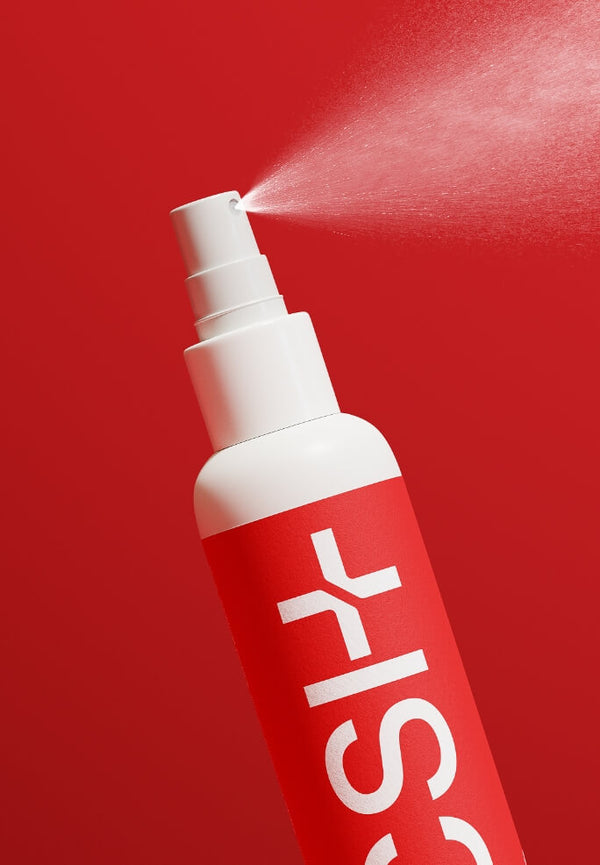
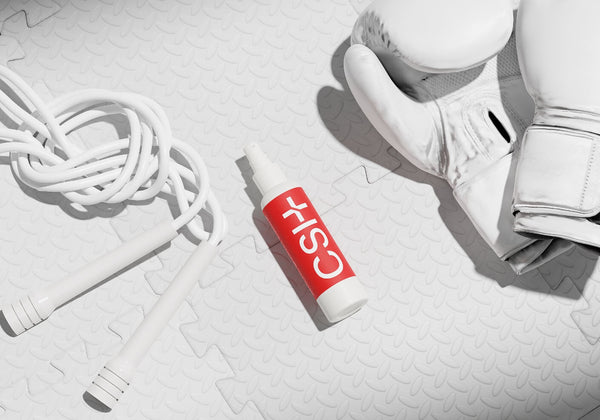
Protect your time on the mats. With grappling infections rising, immediate post-roll hygiene is no longer optional. Cleanse your skin immediately the second you finish training with Full Guard, and eliminate bacteria, fungi and other nasty stuff from your kit using the antimicrobial power of Gear Guard. Both UK made naturally occuring HOCL sprays.

Mat side
Stop taking chances on hygiene.
Kills 99.999% of bacteria and fungi dead. Mats, kit and skin, covered.
Trusted by Aspinall BJJ · UKBJJA · Safe MMA · British Wrestling · English MMA
⚡ 60-Second Summary
- Core issue: staph is a common bacteria; problems start when it gets into broken skin
- What to watch: a red, warm, swollen, painful spot that grows or leaks pus
- Immediate action: if you think you have it, stay off the mats and see a GP or pharmacist
- Never do this: don't pop, pick or "sweat it out". Cover it and get it checked
- Prevention: just good hygiene. Wash promptly, clean kit, cover cuts
What staph actually is
Staphylococcus aureus is a bacteria that lives, harmlessly, on the skin and in the noses of a big chunk of the population. Most of the time it does nothing at all. The trouble starts when it gets past the skin barrier, through a cut, a graze, a mat burn, a popped blister, and sets up an infection in the tissue underneath.
That's why grappling comes up so often in the same sentence as staph. It's not that the mats are uniquely filthy. It's that the sport ticks every box the bacteria likes: lots of close skin-to-skin contact, shared surfaces, heavy sweat, and a steady supply of the small scrapes and abrasions that give it a way in.
You'll also hear MRSA mentioned, which is a strain of staph that's resistant to some common antibiotics. It's less common but more of a handful to treat, which is exactly why nobody should be self-diagnosing or trying to tough these things out. If it's staph, it wants a professional eye on it early.
What it actually looks like
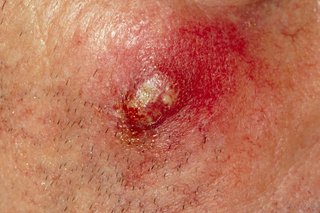
(Source NHS England)
This is where a lot of gym-side "that's staph, mate" goes wrong, because plenty of harmless things look similar at first. A staph skin infection tends to show up as:
- A red, swollen, warm area of skin that's painful or tender to touch
- A spot, boil or abscess that fills with pus and may leak
- Something that grows over a day or two rather than settling down
- Sometimes a cluster, or skin around it that turns red and angry
The tell-tale pattern is getting worse, not better. A friction bump or a normal spot tends to calm down. An infection tends to escalate, more red, more swollen, more sore, often surprisingly quickly. That trajectory is the thing to watch more than any single feature.

(Source Free Medical Journals)
See a GP or call NHS 111 promptly if you notice
- Redness spreading outwards, or red streaks running from the spot
- Increasing pain, swelling and warmth over hours
- Pus, or a boil/abscess that's growing
- Feeling generally unwell, feverish, or swollen glands nearby
- Anything near the eyes, or on someone whose immune system is compromised
What it can look like


Clinical images shown for education. Skin presentations vary widely - no photo comparison replaces a clinician looking at your skin.
How to tell if it's staph: a quick self-check
You cannot diagnose staph from a photo - yours or anyone else's - and neither can the gym group chat. Only a swab confirms it. But there is a pattern that should raise your suspicion enough to get it looked at quickly.
Signs that point towards staph:
- Pain out of proportion. Staph lesions hurt. A spot you barely notice is rarely the problem; a lump that throbs when your gi sleeve brushes it is different.
- Heat and hardness. The area feels warm to the touch and firm underneath, not just red on the surface.
- It grows fast. Noticeably bigger over a day or two, sometimes hours. Ordinary spots do not do that.
- Pus and a head. A yellow or white centre that keeps refilling, or anything draining on its own.
- You feel off. Fever, chills or generally feeling unwell alongside a skin lesion moves this from "keep an eye on it" to "get seen today".
Signs that point away from staph: an itchy (rather than painful) ring-shaped patch is more likely ringworm; a crop of small, uniform spots around hair follicles after shaving or a sweaty session is usually folliculitis; a tender bump that has sat unchanged for weeks is more likely a cyst or ingrown hair. The lookalikes section below goes deeper on telling these apart.
Go the same day - GP, urgent care or 111 - if: the redness is spreading outwards or streaking away from the lump, it is on your face or spine, you have a fever, or you are diabetic or immunocompromised. Until it has been seen: keep it covered, do not squeeze it, do not shave over it, and stay off the mats.
What to do if you think you've got it
Keep it simple, and err on the side of caution. This is the honest, sensible order of things:
1. Get off the mats
If you've got something that might be a skin infection, don't train. This is the single most important one, both for your own sake and because staph spreads through exactly the contact grappling is built on. Sitting a few sessions out is nothing next to giving it to half the gym.
2. Don't pop, pick or squeeze it
It's tempting, and it's the wrong move. Squeezing a boil or abscess can push the infection deeper and spread it. Leave it alone, cover it with a clean dressing, and let a professional decide what happens next.
3. Get it looked at
A pharmacist is a great, fast first port of call and can tell you whether it needs a GP. A GP can diagnose it properly and, if it is staph, sort the right treatment. The earlier you go, the more straightforward it usually is. Don't wait to "see if it settles" once it's clearly getting worse.
4. Tell your coach
Quietly let whoever runs the mats know, so they can keep an eye on cleaning and on anyone you've rolled with. Good gyms want to know; it's how they protect everyone. There's no shame in it, it happens to careful people too.
Boil, staph or MRSA? What the terms actually mean
These three words get used as if they were three different conditions competing for the same spot on your arm. They are not. They describe different things entirely, which is why comparing them side by side clears up most of the confusion.
| Term | What it actually describes |
|---|---|
| Boil | A shape, not a cause. It is a pus-filled lump in the skin, often around a hair follicle. Staph is a common cause of boils, so a boil may well be a staph infection, described by how it looks. |
| Staph | The bacteria (Staphylococcus aureus), and by extension the infections it causes. Those can look like boils, but also like other patterns of red, hot, swollen skin. |
| MRSA | A resistance profile, not a different disease. It is staph that resists some common antibiotics, so it matters for treatment choice rather than for what it looks like on your skin. |
The practical consequence is the important part: you cannot tell these apart by eye, and neither can your training partners. A boil that is ordinary staph and a boil that is MRSA can look identical. The only thing that distinguishes them is clinical assessment, sometimes with a swab. That is precisely why the advice throughout this article never depends on which one you think you have. Get off the mats, do not squeeze it, get it seen. The naming is the clinician's job.
Why do fighters get staph infections so often?
Watch: the doctor's version
Dr Asoka Wijayawickrama on the combination that makes gyms different: micro-tears from friction, a stressed skin barrier and sustained close contact.
It comes up constantly about MMA and UFC athletes, and the answer is not that fighters are dirty. It is that the sport stacks every risk factor at once.
- Skin contact is the sport. Hours a week of sustained skin-to-skin contact with many different partners is the single biggest factor.
- Broken skin is routine. Mat burns, cuts, cauliflower ear drainage, shaving, gi friction and grazes all provide entry points, and this is a sport that produces them daily.
- Heat and sweat. Warm, damp skin under gear all session is a friendlier environment than dry, cool skin.
- Training volume. Professionals train multiple sessions a day, multiplying exposure and leaving less recovery time for skin.
- Incentives to hide it. Camp deadlines and fight purses create pressure to train through something that should be sat out, which is how one athlete's problem becomes a gym's problem.
- Shared everything. Mats, pads, headgear and towels in a busy gym add a surface route on top of the contact route.
None of that is unavoidable. The reason well-run gyms see so much less of it is not luck, it is that they enforce the boring habits: wash promptly, cover broken skin before training, clean kit every session, never train with an active infection. Take the incentives to hide it away, and most of the rest takes care of itself.
Staph in MMA and Wrestling: What the Outbreaks Show
There's less published research on staph in MMA specifically than in wrestling or American football. But the risks are the same: close skin contact, abrasions from the mat or canvas, and shared kit like gloves, pads and headgear. What happens when staph gets going in a combat sport is well documented.
Real-world case: a high school wrestling team in Vermont
In 1993 to 1994, 7 of 32 members of a high school wrestling team in southern Vermont tested positive for MRSA (6 infected, 1 carrying it). The same strain turned up in 6 people in the surrounding community who didn't wrestle. The response: skin checks before matches, keeping affected wrestlers off the mat until they'd been treated, and more attention to personal hygiene and cleaning. The investigators' advice to doctors: suspect MRSA when boils that don't respond to standard antibiotics keep appearing among contact sport athletes.
Source: Lindenmayer JM et al. Arch Intern Med 1998;158:895-9
Real-world data: Nebraska high schools
A statewide survey of Nebraska high schools found reported MRSA infections among wrestlers rose from 19.6 to 60.1 per 10,000 wrestlers between the 2006 to 2007 and 2007 to 2008 school years. Wrestling and American football had the highest rates.
What about MMA? Doctors have published case reports of MMA fighters with the other classic mat infections too: herpes gladiatorum that appeared after sparring with a new partner, ringworm, and molluscum. The route is the same as in BJJ and wrestling: skin on skin.
What fighters can take from this:
- Clean gloves, pads and headgear inside and out. They're shared, sweaty and never dry properly.
- Treat cage and canvas scrapes like mat burn: clean them and cover them.
- Don't spar through a skin problem during a fight camp to avoid losing days. One infected fighter can take out a whole camp.
Sources: Meulener M, Smith BL. Cutis 2011;87:146-7; Bachmeyer C, Buot G. CMAJ 2013;185:897; Lee SK. J Cutan Med Surg 2013;17:151-2
Why grappling gyms take this seriously
Skin stuff is part of grappling culture for a reason, and staph is a big part of why. One person training through an infection can pass it to the people they roll with, who pass it on again, and suddenly it's a gym-wide headache that benches half the mat for weeks. That's the thing hygiene etiquette is really trying to prevent, not fussiness, just not wanting an outbreak.
It's worth understanding the neighbours too, because "staph" gets blamed for things that are actually something else. Ringworm is a fungal infection, not bacterial, and we cover it in ringworm in BJJ. Herpes gladiatorum ("mat herpes") is viral. They're managed differently, which is another reason self-diagnosis in the changing room isn't the move. If you want the wider picture on when to sit out, when to stay off the mats is worth a read.
How to lower the odds (for you and the gym)
You can't sterilise a contact sport, and you don't need to. Almost all of the risk reduction comes down to unglamorous, everyday hygiene, the same habits that keep you fresh anyway:
- Wash promptly after training. Don't let sweat and mat grime sit on your skin for hours. Shower as soon as you reasonably can, and lather properly.
- Cover cuts and grazes before you train. Broken skin is the way in, so a decent dressing over any open bit matters.
- Clean kit every session. Fresh gi, fresh rashguard, dried fully, not fermenting in the bag overnight.
- Keep nails short so you're not opening up little scratches on your partners.
- Don't share towels, water bottles or mouthguards.
- Check your skin regularly, and act early if something looks off rather than hoping it goes away.
None of that is complicated, and that's the point. A hygiene routine only works if it's simple enough that you actually do it, tired, after a hard session, every time. Our post-training shower routine lays out an easy version you can put on autopilot.
How to Prevent Staph in BJJ: A Before, During and After Checklist
Most of this is common sense. The trick is doing all of it every session, not just the week someone at the gym has had a scare.
| When | What to do | Why |
|---|---|---|
| Before | Check your own skin: shins, forearms, elbows, face and scalp | You'll spot a problem days earlier than a training partner will |
| Before | Cover cuts, grazes and mat burn with a proper dressing | Broken skin is how staph gets in |
| Before | Don't train on anything hot, swollen, weeping or spreading | That's the point it's a risk to everyone else on the mat |
| Before | Trim your nails, and turn up in a gi or rashguard washed since your last session | Scratches and dirty kit both add risk |
| During | Flip-flops off the mat, bare feet on it | Keeps floor dirt off the mats |
| During | Your own water bottle and your own towel | Sharing is an easy way to pass things on |
| During | Tell a coach if you notice something on a partner | Nobody likes that conversation, but good gyms make it normal |
| After | Shower as soon as you realistically can | The sooner sweat and mat grime come off, the better |
| After | Kit straight into the wash, not left balled up in the bag | Warm, damp kit is a breeding ground |
| After | Clean and cover any new scrapes | Today's mat burn is tomorrow's way in |
| Weekly | Wash your belt, knee pads and bag, and check your skin properly | The kit everyone forgets |
At gym level: the mats cleaned every day, a clear "stay off the mats" rule for skin problems, and coaches who check skin before competitions. Our guide on when to stay off the mats covers the rules.
The golden window: the first hour after sparring
One of the lads at our gym picked up a staph infection after a class where he did nothing wrong on the mats. He got in the car sweaty, drove the fifteen minutes home and showered when he got in. Nobody can prove the drive did it, but it was the only gap in his routine, and it cost him three weeks off.
The reason is simple. After hard sparring you are carrying your partners' sweat, whatever was on the mats and a handful of fresh micro-abrasions you have not noticed yet. The longer that mix sits on your skin, the more time bacteria has next to a way in. No study gives a minute count; the CDC's advice from its review of sports outbreaks is to shower with soap after every practice or tournament, and the sooner, the better.
It gets bigger than one person, too. In 2012 Belen High School in New Mexico closed its wrestling and weight rooms after one MRSA case and twelve positive staph tests among students, and disinfected the mats up to 40 times. Gyms that get repeated staph cases end up doing the same thing: doors shut, deep clean, members gone.
What to do in the window when there is no shower at the gym:
- Cleanse before you leave. A rinse-free skin cleansing spray such as Full Guard over your arms, neck, face and the skin around any scrapes, then a clean towel. It keeps skin feeling clean until you can shower; it is not the shower.
- Get the wet kit off you. A dry rashguard or T-shirt for the drive. Do not sit in the sweaty gi.
- Shower with soap as soon as you are home, and wash the areas that were under the gi first.
- Check your skin and cover anything new before you sit down for the night.
Full Guard is a cosmetic skin cleansing spray. It does not treat or prevent infection.
Your kit bag is part of your skin
Grapplers guard their skin and then throw a soaked gi, a rashguard and a pair of knee pads into a zipped bag, where they stay warm and damp until the next session. Staphylococcus aureus, MRSA included, survives on dry surfaces for weeks to months, so kit that goes back on unwashed is a second route in, and it is the one most people ignore.
- Gi, rashguard, belt and towel: into the wash the same day, at the hottest temperature the label allows, and dried fully before they go near the bag again. The CDC's sports guidance is to launder towels and supporters after each use.
- Knee pads, headgear, gloves and the bag itself: these cannot go in a hot wash. Spray them with an equipment spray made for the job, such as Gear Guard, and let them dry in the open before the drive home rather than sealing them in wet.
- Two rashguards, always. One to train in, one to change into. A damp rashguard reused the next day is the classic mistake.
- Wash the bag weekly. Most are machine washable. If yours is not, empty it, spray it and leave it open to dry.
Mat burn and open skin: the ten-minute rule
Staph mostly gets in through broken skin, so the mat burn you picked up in the last round matters more than anything on the mats. Deal with it in the first ten minutes, not when you get home.
- Rinse it under running water to get grit and sweat out, then pat dry with a clean towel.
- Cover it. A washproof plaster for small grazes, a hydrocolloid dressing for larger mat burns. Keep it covered while it heals and change the dressing daily or when it gets wet. The CDC's rule for athletes is cover cuts and abrasions with a bandage until healed.
- Keep sprays and soap for the intact skin around it. Cosmetic skin sprays are for cleansing skin, not for treating wounds; do not spray anything into an open graze.
- Watch the trajectory. More red, more swollen or more painful the next day, or pus, means a GP or pharmacist that day, not next week.
Carrying a small kit means step two happens at the gym instead of "when I find a plaster". The CSH Personal First Aid Kit has washproof plasters, hydrocolloid dressings, tape and saline wipes in a bag that lives in your kit bag.
The grappler's kit bag checklist
Everything above fits in one bag. If you carry these, the routine takes care of itself.
- Two rashguards, one to train in and one dry one for afterwards
- Your own towel, washed after every session
- Flip-flops for everywhere that is not the mat
- A rinse-free skin cleansing spray for the gap between mat and shower
- An equipment spray for pads, gloves, headgear and the bag
- Washproof plasters, hydrocolloid dressings, tape and saline wipes (a personal first aid kit covers all four)
- Nail clippers, because short nails mean fewer scratches on your partners
- A sealable bag for wet kit, so it does not share space with the dry things
- Your own water bottle
Staph, folliculitis or an ingrown hair? Telling the lookalikes apart
Most "staph" callouts in a changing room turn out to be something milder, and it helps to know what the usual suspects look like, if only so you know what to describe to a pharmacist.
- Folliculitis shows up as small, pimple-like bumps centred on hair follicles, often in a scatter across areas that take friction and sweat. It is usually mild and often settles with good hygiene, though it sits on a spectrum, and we cover it fully in folliculitis from grappling.
- An ingrown hair is typically a single bump over a trapped hair, common after shaving, tender but stable.
- A friction bump or blister maps neatly onto where gear or mat contact rubs, and calms down within a day or two of rest.
- A staph infection is the one with momentum: hotter, angrier, more swollen and more painful over 24 to 48 hours, often growing a head of pus.
The discriminator is trajectory, not appearance on day one. Lookalikes settle; infections escalate. And because no set of bullet points can diagnose skin, the rule from earlier still stands: if it is getting worse, it gets seen by a professional, not the group chat.
BJJ Skin Infections at a Glance
In a survey of BJJ athletes from gyms across the US, skin infections were the most common medically diagnosed problem people reported, ahead of knee injuries. Staph is only one of them. This is the quick guide to the ones that go round gyms, with a link to each full guide.
| Infection | Caused by | What it usually looks like | Off the mats? | Full guide |
|---|---|---|---|---|
| Staph (boil or abscess) | Bacteria | A hot, painful, swollen lump that fills with pus | Yes, until it has been seen and treated | This page |
| Impetigo | Bacteria | Red sores that burst and leave golden-brown crusts, like cornflakes stuck to the skin | Yes. The NHS says it stops being contagious 48 hours after treatment starts. | Impetigo in wrestling and grappling |
| Ringworm | Fungus | A round patch with a raised, scaly edge and a paler middle | Yes, until treatment has started, and follow your doctor's and gym's rules on covering it | Ringworm in BJJ |
| Herpes gladiatorum | Virus (HSV-1) | Tingling, then clusters of small blisters, usually on the face, neck or arms | Yes. Covering it isn't enough. | Herpes gladiatorum |
| Molluscum | Virus | Small, shiny, dome-shaped bumps (2 to 5mm) with a dimple in the middle | Check with your GP and gym. It's often fine to train covered. | Molluscum in grapplers |
| Folliculitis | Usually bacteria | Small spots around hair follicles, often after shaving or friction | Usually fine unless it's spreading, painful or turning into boils | Folliculitis from grappling |


The "off the mats" column is general guidance. Your GP, and your gym's or competition's rules, make the final call.
Sources: McDonald AR et al. Sports (Basel) 2017;5:39; NHS: impetigo; NHS: molluscum contagiosum
How staph actually spreads around a gym
Understanding the routes makes the hygiene habits feel less like superstition. The main one is direct skin-to-skin contact during rolling, which is why an uncovered infection on one person becomes a problem for every partner they train with. Shared items come second: towels, razors, unwashed kit worn twice, even a borrowed rashguard. Surfaces such as mats and benches play a supporting role, which is why cleaning routines matter even though they cannot do the whole job alone.
There is one more piece worth knowing: a significant share of healthy people, commonly estimated at around one in three, carry staph harmlessly in the nose or on the skin without any sign of it. Carriers are not doing anything wrong and mostly never know. It simply means no gym can screen its way out of the problem, and blanket habits, washing promptly, covering broken skin, never sharing towels, protect everyone regardless of who happens to be carrying what.
Coming back after a skin infection
The return call belongs to your GP, not your ego. In practice, most gyms expect the same sensible things: any prescribed treatment completed or well underway with the all-clear from the clinician, the area healed or securely coverable per the doctor's advice, and a heads-up to the coach on your first session back. If you compete, be aware that referees and event medics can and do check skin before matches, and an unhealed infection is a scratch. Wash everything that touched the area, kit, towels and bedding, on a proper hot cycle before it goes near the gym again.
Coming back a session early is how one person's minor infection becomes a mat-wide outbreak. A few extra days costs you nothing worth having.
Staph FAQs
Can you catch staph from mats?
Surfaces can carry the bacteria, so mats are part of the picture, but direct skin-to-skin contact is the bigger route in grappling. That is why the answer is both: gyms clean the mats, and athletes shower promptly and cover broken skin. Neither substitutes for the other.
How quickly does a staph infection develop?
There is no fixed clock. Bacteria can get into broken skin during a session and an infection may take shape over the following days, which is why the trajectory rule matters more than dates: anything that is clearly worse today than yesterday, more red, more swollen, more painful, deserves attention now rather than a wait-and-see week.
Is MRSA common in grappling?
MRSA is a strain of staph that resists some common antibiotics. It is less common than ordinary staph but well documented in contact sports, and the prevention habits are identical. The difference it makes is clinical, treatment is a job for a GP, which is one more reason self-diagnosis and toughing it out are the wrong plays. We cover it in depth in MRSA in contact sports.
How long does staph live on BJJ mats?
A long time if nothing is done about it. A systematic review of how pathogens survive on surfaces found that Staphylococcus aureus, including MRSA, persists on dry surfaces for anywhere from seven days to seven months. That is why mats need cleaning every day with a product tested for the job, not a weekly mop. Skin-to-skin contact is still the bigger route in grappling, so clean mats and prompt showers go together.
Does hypochlorous acid kill staph bacteria?
In laboratory studies, yes: hypochlorous acid is microbicidal against Staphylococcus aureus, including MRSA, and it is used in hospital disinfectants and wound irrigation products. Whether a particular spray does that depends on its concentration, how stable it is and what it is licensed to do. A cosmetic skin spray such as Full Guard is for cleansing skin and is not a treatment for staph; a surface product is tested and labelled for surfaces. If you think you have a staph infection, the answer is a GP, not a spray.
How should I wash my gi after a staph outbreak?
Wash it separately from the household laundry, at the hottest temperature the care label allows, with a full dose of detergent, and dry it completely, ideally in a tumble dryer. Do the belt, the rashguard, the towel and anything else that was in the bag at the same time, and wash or wipe the bag itself. Do not put anything back on damp. The CDC's guidance for athletes is to launder towels and personal items after each use, and that goes double after an outbreak.
Can I use an antibacterial spray instead of showering?
No. A spray is the bridge between the mat and the shower, not a replacement for it. The CDC's advice from sports outbreaks is to shower with soap after every practice or tournament. Use a rinse-free skin cleansing spray when there is no shower at the gym, then shower properly as soon as you are home, ideally within the hour.
The bottom line
Staph is common, mostly harmless on healthy skin, and only becomes a problem when it gets into broken skin, which grappling unfortunately hands it plenty of chances to do. The winning approach isn't panic, it's habit: wash promptly, cover cuts, keep kit clean, and if something looks red, warm and angry and it's getting worse, get off the mats and get it checked. Do that, and you deal with the odd scare quickly and quietly instead of an outbreak that benches the whole gym.

Cover cuts before they cost you mat time
CSH Personal First Aid Kit
Broken skin is the entry point, and every guide says the same thing: keep cuts clean and covered. The CSH kit puts washproof plasters, dressings and tape in your own bag, so nothing stays open on the mats.
- ✔ 10 washproof plasters + microporous tape
- ✔ Hydrocolloid dressings for mat burn & blisters
- ✔ Sterile saline wipes for cleaning before you cover
Shop the First Aid Kit — £26.99
Packed in a water-resistant ripstop Activ 2 case · contents individually restockable
Keep reading
- Folliculitis from grappling – the milder lookalike that still needs watching.
- MRSA in contact sports – when staph gets serious, and what that means for a gym.
- Ringworm in BJJ – the other infection every grappler should recognise on sight.