The Ultimate Post-Training Skin Cleansing Guide for Contact Athletes
Educational information only – read the full notice
Ask anyone who has spent real time on the mats and they will tell you the same thing: the training is only half the story. What you do in the ten minutes after the round ends matters just as much for how your skin looks and feels. This is the complete guide to combat sports skin care, built from plenty of rolling, sweating, and learning what actually works when you step off the mat and reach for your bag.
My name is Eddie Bye, founder of Combat Sports Hygiene and a combat sports athlete, and I want to be honest about where this guide comes from. Early in my training I learned the hard way that skipping a proper clean-up off the mats leads to skin problems that are genuinely easy to avoid. Nothing dramatic, just the sort of small niggles and surface issues that make you self-conscious in a rash guard and frustrated that you did not sort out a simple routine sooner. Once I did, everything changed. My skin felt fresher, my kit bag stopped smelling like a swamp, and I stopped worrying about what I was carrying home from the gym.
You do not need to be an armbar specialist for any of this to matter, though. If you lift, run, cycle, do hot yoga, travel a lot, or simply sweat hard in a busy commercial gym, your skin is dealing with the same core challenges: heat, friction, stale sweat, and a steady layer of environmental impurities picked up from shared surfaces. The routine below is written through a combat sports lens because that is the most demanding version of the problem, but everything here scales down beautifully for everyday gym-goers and anyone who wants their skin to feel fresh after a hard session.
Why high-friction, high-sweat environments are so demanding on your skin
Before we get to the routine, it helps to understand what you are actually up against. When you train hard in a warm room, pressed against mats, gear, and other people, your skin is working in one of the most demanding environments it will ever face. Three forces stack up at once: heat, moisture, and friction. Understanding how each one works makes it obvious why a quick rinse-free refresh followed by a proper shower is so effective.
The skin barrier under pressure
Your skin has an outer layer that acts as a barrier, holding moisture in and keeping the outside world out. It sits at a slightly acidic pH, part of what keeps it comfortable and resilient. During a hard session that barrier takes a beating: prolonged heat, constant rubbing, and hours of dampness all put the surface under stress. This is completely normal, nothing to panic about, but it does mean your skin benefits from a little care afterwards rather than being left to sort itself out.
The mistake most people make is over-correcting. They come off the mat, feel grimy, and reach for the harshest, most stripping soap they can find. That approach strips away the natural oils the barrier needs and can leave the surface tight and irritated. The goal is not to blast your skin into submission, it is to cleanse thoroughly while respecting the barrier, which is exactly why a non-stripping, skin-friendly approach wins over the long term.
The mechanics of sweat accumulation
Sweat itself is mostly water, but it does not stay that simple. As it sits on the skin surface through a long session, it mixes with everything else that is up there: natural oils, dead skin cells, and whatever your training environment has deposited. Under a tight rash guard or a gi, sweat has nowhere to evaporate, so it pools against the skin for the entire class. By the time you finish, you are wearing a warm, damp layer of stale sweat that has been marinating for an hour or more.
That stale sweat layer is the main reason skin feels congested after training, and it is why timing matters so much. The longer it sits undisturbed against warm skin inside a packed kit bag, the more it settles in. Freshening the skin surface promptly, before you even leave the venue, breaks that cycle early. I go much deeper on this in the guide on the post-training golden window for skin cleansing, because getting this one detail right does more heavy lifting than almost anything else in your routine.
Excess sebum and surface build-up
Sebum is the oil your skin naturally produces, and in normal amounts it is a good thing. It keeps the surface supple and helps the barrier function. The problem is that heat and exertion crank up production, so during training you generate far more sebum than usual. Combined with sweat and dead skin cells, that excess sebum contributes to a surface build-up that can leave skin feeling coated and looking dull.
Areas where gear presses hardest see the most build-up: the forehead under a rash guard hood, the jawline and cheeks in grappling, the chest and back under a gi. This is exactly where a lot of athletes notice their skin looking congested and losing its clarity. If friction breakouts around your gear line are a familiar frustration, the breakdown on friction breakouts from gear and sweat walks through why they cluster where they do and how to keep those zones fresher.
How friction transfers mat grime and environmental impurities
This is the part that combat athletes understand instinctively and gym-goers often overlook. Friction does not just stress the skin, it actively transfers material onto it. Every time your face drags across a mat, your arm slides along a training partner, or your back presses into a crash pad, you are picking up a layer of mat grime and environmental impurities from those shared surfaces and depositing it directly onto warm, open, sweat-softened skin.
Think about how many bodies use the same mats, gear, and equipment in a single day. All of that shared use leaves a residue on the surfaces you train on, and friction moves it onto you. This is the real reason a post-training clean-up is non-negotiable for contact athletes: it is not only about your own sweat, it is about lifting away everything the training environment has transferred onto your skin. The full mechanics of how gear itself becomes a carrier are covered in the piece on gear, sweat transfer and your skin complexion.
What happens when you skip the clean-up

I promised honesty, so here it is. Early on I was casual about all of this. I would finish training, throw a hoodie over a sweat-soaked rash guard, drive home with the stale layer still sitting on my skin, and get to the shower whenever I got round to it. The result was a run of small, avoidable skin niggles that chipped away at my confidence and made training less enjoyable.
None of it was serious, and a good routine is not a medical intervention, it is just good hygiene and good skin care. But the difference it makes is real. Leave stale sweat, excess sebum, and transferred mat grime sitting on your skin for hours and you give surface build-up every opportunity to settle in. Clean up promptly and properly and you clear the slate while the skin is still fresh. That is the whole promise of this guide: a simple, repeatable routine that removes a category of frustration you do not need to live with.
The complete post-training skin cleansing routine
Here is the core of the guide: a three-step routine you can run every session, designed to be realistic. Step one takes under a minute and happens before you leave the venue. Step two is your shower, done properly. Step three supports the work you just did. Follow all three consistently and your skin will thank you.
Step one: an immediate rinse-free mist the moment you step off the mat
This is the step almost everyone is missing, and it is the single biggest upgrade you can make. The problem is obvious once you name it: there is almost always a gap between finishing training and getting to a shower. You bow off, sort your gear, chat to training partners, maybe drive home first. That gap can run from ten minutes to over an hour, and it is precisely the window where stale sweat and transferred mat grime sit undisturbed on warm skin.
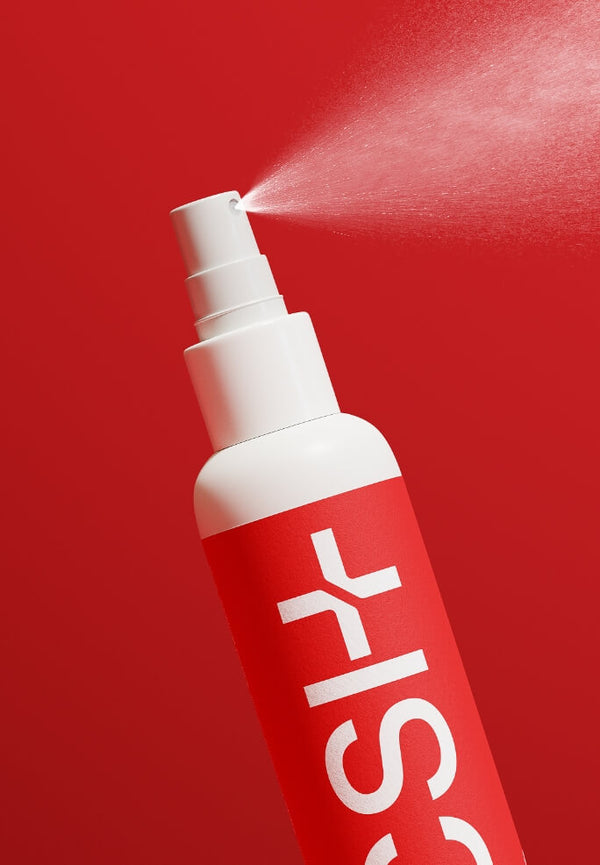
The fix is a rinse-free mist you can use on the spot, which is exactly what I built Full Guard to do. The moment you step off the mat, before you even pack your bag, you mist it over the exposed skin that took the most contact: face, neck, arms, shoulders, anywhere that met the mat or a training partner. It goes on cool, requires no water and no towel, and air-dries in about sixty seconds. No rinsing, no wiping, no faff, just refreshing and cleansing the skin surface at the earliest possible moment, closing the gap between the last round and your shower.
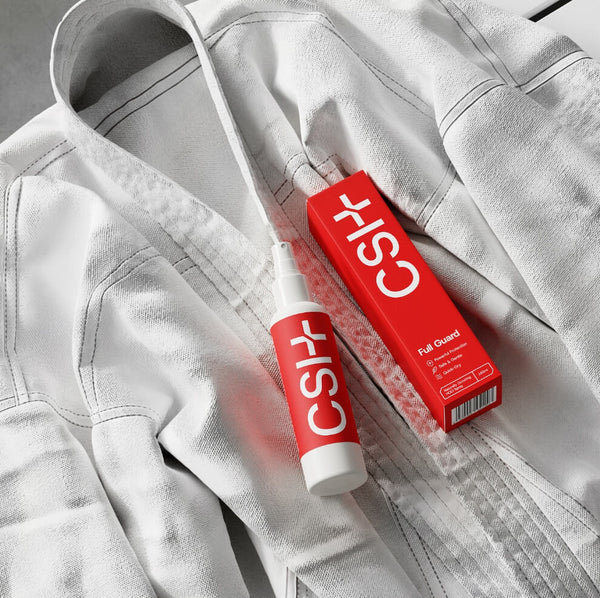
Full Guard is a registered cosmetic spray built around hypochlorous acid, or HOCl, at 200ppm of 95 percent purity, held at a skin-friendly pH of 5.5 to 6.5. I will explain why that specification matters in a moment, but the practical point is this: it is a non-stripping tactical mist that instantly refreshes and cleanses the skin the moment you step off the mat. It lives in the side pocket of my kit bag and it comes out before anything else. If you only change one thing about your current routine, make it this. For a deeper look at why misting works so well for people who train, the article on hypochlorous acid for athletes and skin cleansing is the natural next read.
Step two: a proper shower with a gentle soap
The mist buys you time and freshens the surface, but it does not replace a proper wash. As soon as you can get to a shower, take one. This is where you thoroughly lift away the full layer of stale sweat, excess sebum, and mat grime a session leaves behind.
The key word here is gentle. As I said earlier, the instinct to scrub hard with a harsh, stripping soap is understandable but counterproductive. A gentle, skin-friendly cleanser removes the build-up without stripping the natural oils your barrier needs. Use lukewarm water rather than scalding hot, which can further dry out already stressed skin. Pay attention to the high-contact zones and the areas where gear presses hardest, but do not go at your skin like you are scrubbing a pan. Cleanse thoroughly, rinse fully, and move on. For a complete walkthrough of doing this well, including water temperature, product choice, and drying, see the companion piece on the post-training shower routine.
A quick word on soap choices, because it comes up constantly in the gym. Tea tree soap is popular in combat sports circles and has its place, but it is not the same tool as a rinse-free mist, and it is not always the gentlest option for daily use on friction-stressed skin. I break down where each one fits in the comparison on Full Guard versus tea tree soap. The short version: they are not rivals, they are different steps, and the mist plus a gentle wash beats leaning on a harsh bar alone.
Step three: restore moisture balance
The final step is the one people skip because they think their job is done at the shower. It is not. Cleansing, even done gently, removes some surface oil along with the grime, and warm water plus a training session have already put the barrier under stress. Restoring moisture balance is what locks in the benefit and keeps skin comfortable rather than tight.
Within a few minutes of towelling off, while your skin is still slightly damp, apply a light moisturiser suited to your skin type. You are not trying to grease yourself up, you are simply helping the barrier hold onto water and stay supple. This supports the skin's natural moisture barrier through the recovery hours after training. If you train daily, it is the difference between skin that feels resilient and skin that feels perpetually dried out. Think of it as the recovery meal for your skin: the session broke it down a little, and this is where you support it building back up.
Why hypochlorous acid, and why the Full Guard specification matters

I want to spend a little time here because the science is genuinely interesting and it explains why the mist is the centrepiece of the whole routine rather than a gimmick bolted on.
A molecule that is native to the body
Hypochlorous acid is not some exotic lab invention. It is a molecule your own body produces: your white blood cells make HOCl naturally as part of everyday housekeeping. The active ingredient in Full Guard is therefore something your body already recognises at a cellular level, which is a big part of why it is so gentle on the skin surface and so well suited to rinse-free use, day after day, on skin that is already dealing with a lot. For the full breakdown of the chemistry in plain language, the explainer on how hypochlorous acid works is the best place to start.
The Full Guard specification, and why each number matters
Not all HOCl products are created equal, and the specification is where quality lives. Full Guard is a registered cosmetic spray formulated to a deliberate standard, and each part of that spec earns its place:
- 200ppm of 95 percent pure hypochlorous acid. Concentration and purity together determine how effective and clean the formula is. A high-purity HOCl at a considered concentration gives genuine cleansing performance without unnecessary extras.
- pH 5.5 to 6.5. This is the number I care about most. Your skin sits at a slightly acidic pH, and Full Guard is formulated to match that skin-friendly range. A product that respects your skin's natural pH is far less likely to leave the surface feeling stripped or tight, which is exactly what you want in something you use every session.
- Rinse-free, air-dries in about sixty seconds. This is what makes it usable in the real world, mat-side, before you pack your bag. No water, no towel, no wait.
Put those together and you get a non-stripping mist that cleanses and refreshes friction-stressed skin while respecting the barrier. That combination of gentle and effective is the whole point: it is easy to make something harsh, and easy to make something mild but useless. A cosmetic mist that is both gentle enough for daily rinse-free use and genuinely refreshing is the harder, better path.
Timing is everything: the golden window
This deserves its own section because it ties the whole routine together. The single most important variable in post-training skin care is not which products you use, it is how quickly you use them. The period immediately after you finish training is what I call the golden window: the stretch of time where a prompt clean-up delivers the most benefit for the least effort. During that window everything is in your favour, the sweat and grime are freshly deposited and have not settled, your skin is warm and receptive to a cool mist, and you are still at the venue so acting is easy. Let that window close, spend an hour driving home with a stale layer sitting on your skin inside a hot car, and you lose most of the advantage. This is precisely why the rinse-free mist exists: it lets you act inside the golden window even when a shower is still an hour away. I have written a full deep dive in the guide to the post-training golden window for skin cleansing, and if you take one concept away from this entire article, let it be this one.
Special situations every contact athlete faces
The three-step routine is your foundation, but combat sports throw up specific scenarios that deserve a tailored approach. Here is how to handle the most common ones.
Mat burn and friction-stressed skin
Mat burn is a rite of passage in grappling: those raw, abraded patches from sliding across the mat. Friction-stressed skin like this needs a gentler touch, because the surface is already tender, so keep these zones extra soothing and non-stripping and avoid anything harsh. The dedicated guide on mat burn and friction skin care covers how to look after these areas so they stay comfortable.
Competition day
Competition is a different animal: a full day at a venue, weighing in, warming up, multiple rounds, with limited shower access and long gaps between bouts. A rinse-free mist becomes even more valuable there, letting you refresh between matches without a full wash. I have put together a complete competition day skincare checklist so you can pack smart from weigh-in to the podium.
Striking, MMA, and the face and body split
Strikers and MMA athletes face a different contact profile to pure grapplers, with more focus on the face from gloves, headgear, and the canvas. The face needs a gentler, more considered approach than the body, and knowing how to split your routine between the two makes a real difference. The breakdown on striking and MMA face and body cleansing covers how to adapt the three steps.
New to the mats? Start with etiquette
If you are a white belt or brand new to any contact sport, build good habits from day one. Mat etiquette and skin cleanliness go hand in hand, and being the training partner whose hygiene is dialled in earns you respect fast. The guide on white belt mat etiquette and skin cleanliness is the perfect starting point for your first year.
Beyond the mats: this routine works for everyone who sweats
I built this framework for combat sports because that is my world, but I meant it when I said the same principles apply far more widely. If any of the following describe you, the three-step routine slots straight into your life with only minor tweaks.
Everyday gym-goers. Commercial gyms are shared environments full of equipment that hundreds of people touch. Your hands, forearms, and back are in constant contact with benches, bars, and machines, picking up environmental impurities the same way. A quick mist after your session and a proper shower cover you completely.
High-sweat workouts. Spin, hot yoga, running, HIIT, anything that leaves you drenched creates the same stale-sweat and excess-sebum challenge as a grappling round. The barrier stress and surface build-up are identical in kind, just different in degree.
Travellers and busy schedules. When you are living out of a bag, hitting hotel gyms, and short on shower access, a rinse-free mist keeps your skin feeling fresh between proper washes. It fits in a wash bag and works anywhere.
Anyone who just wants to feel fresh. You do not need a reason involving sport. Plenty of people simply want a fast, skin-friendly way to refresh the skin surface during a long day, and the mist does that job cleanly.
Common mistakes to avoid
I have watched people, myself included, get this wrong in the same handful of ways. Sidestep these and you are ahead of the pack.
- Waiting too long to clean up. The golden window closes fast. A stale layer sitting on your skin through a long drive undoes a lot of good. Act at the venue.
- Scrubbing with a harsh, stripping soap. More aggressive is not more clean. Stripping the barrier leaves skin tight and worse off.
- Skipping moisturiser. Cleansing without restoring moisture balance is only half a job. The barrier needs support after a session.
- Reusing damp, unwashed gear. Clean skin and dirty gear cancel each other out. The piece on gear and sweat transfer covers this properly.
- Relying on hot water. Scalding showers dry out already stressed skin. Lukewarm is kinder and just as effective.
Building your kit bag routine
Let me pull it all together into something you can actually carry and use. Here is what lives in my bag and how the session flows in practice.
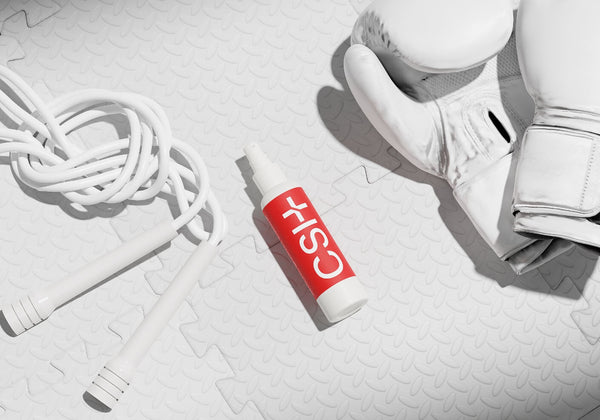
In the side pocket, easy to grab first, sits the rinse-free HOCl mist. It is the first thing out when the round ends. I mist the exposed high-contact areas right there on the edge of the mat, let it air-dry in about a minute, and only then start packing. Next to it lives a small gentle cleanser for the shower, and a travel-size light moisturiser that goes on within a few minutes of drying off to restore moisture balance.
That is the entire system. Mist, wash, moisturise. Three steps, one of which takes under a minute and happens before you leave. It is simple enough to do every session without thinking, which is exactly the point, because consistency is what delivers results in skin care. The fancy routine you do twice a month loses to the simple routine you do every single time.
Frequently asked questions
Do I really need a mist if I am going to shower anyway?
The mist and the shower do different jobs. The shower is your thorough clean, but it usually happens well after training ends. The mist lets you refresh and cleanse the skin surface immediately, inside the golden window, closing the gap between the last round and the water. So yes, it earns its place even when a shower is coming.
Will using a mist every day be too much for my skin?
Full Guard is formulated to be gentle and non-stripping, at a skin-friendly pH of 5.5 to 6.5, and built around a molecule native to the body. It is designed specifically for daily, rinse-free use on friction-stressed skin, which is the whole reason it works as a mat-side habit rather than an occasional top-up.
What is the single most important thing to get right?
Timing. Act inside the golden window immediately after training. If you take nothing else from this guide, start freshening your skin the moment you step off the mat rather than waiting until you get home. Everything else is easier once that habit is in place.
Can I use the mist on my face?
Yes. It is designed to be gentle enough for facial use, which matters a lot for grapplers and strikers whose faces take heavy mat and glove contact. For a discipline-specific approach to splitting face and body care, see the guide on striking and MMA face and body cleansing.
Explore the full cluster
This guide is the hub, and each topic below has its own detailed deep dive. Wherever you are in your training journey, there is a piece here for you:
- Hypochlorous acid for athletes and skin cleansing: why misting suits people who train.
- Full Guard versus tea tree soap: where each option fits in your routine.
- The post-training golden window: why timing beats everything else.
- Mat burn and friction skin care: looking after abraded, tender skin.
- Friction breakouts from gear and sweat: why they cluster where your kit presses.
- Competition day skincare checklist: staying fresh from weigh-in to podium.
- White belt mat etiquette and skin cleanliness: build good habits from day one.
- Gear, sweat transfer and complexion: how your kit becomes a carrier.
- Striking and MMA face and body cleansing: adapting the routine for strikers.
Time on the mats taught me that skin care for contact athletes is not complicated, it is just consistent. Mist inside the golden window, wash gently, restore your moisture balance, and repeat every session. Do that and the small niggles that used to nag at you quietly disappear, leaving you free to focus on the only thing that matters when you step on the mat: getting better.
New to hypochlorous acid skincare? Explore the full HOCl skincare range and the 6-month bundle.
Full Guard is a cosmetic skin cleansing spray registered under the UK Cosmetic Products Regulation. It is not intended to treat, cure, prevent or diagnose any condition. For any skin concern, speak to a GP, pharmacist or dermatologist.

Our HOCl mist
Full Guard Hypochlorous Acid Spray
An ultra-pure, fragrance-free HOCl mist made in the UK. Rinse-free, no alcohol and no sting, it dries in a minute or two and leaves skin feeling clean and fresh, the perfect freshen-up when a shower isn't happening yet.
- 95% pure hypochlorous acid, skin-friendly pH 5.5-6.5
- Fragrance-free and non-stripping, kind to sensitive skin
- Rinse-free, dries fast, fits any bag or desk drawer
- UK-made to ISO 22716 (GMP) standards