How to Clean and Disinfect Training Mats
Educational information only – read the full notice
Mats take sweat, bare feet and bodies all day long. Keeping them clean is one of the most important things a gym does for its members' skin health - and it matters at home too if you train on your own setup, as I do between sessions. This is general guidance, not medical advice.
⚡ 60-Second Summary
- The principle: a quick clean after every session plus a scheduled deep clean beats an occasional heroic blitz.
- The method: remove debris first, use a mat-safe product per its label, respect the stated contact time, then let the mats dry fully.
- The commonest mistake: wiping the product straight off, which skips the contact time the label asks for.
- Do not improvise: household bleach, strong solvents and steam are how gyms damage tatami and vinyl. Check suitability first.
Build a routine, not a one-off
The key word is consistency. A quick clean after every session, plus a more thorough clean on a set schedule, beats an occasional heroic deep-clean every time. Mats used daily by lots of people need daily attention; letting it slide for a fortnight and then blitzing them doesn't undo what built up in between.
A practical approach
- Remove debris first. Sweep or dry-mop up dust, hair and grit - any disinfectant works better on a clean surface than over a layer of debris.
- Use a suitable, mat-safe cleaner or disinfectant following the manufacturer's instructions for both the product and your mats. Tatami-finish and smooth mats can have different requirements.
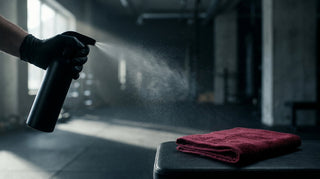
- Respect the contact time. Disinfectants generally need to stay wet on the surface for a stated period to do their job - wiping it straight off undoes the point of using it. The required time is on the label; follow it.
- Let the mats dry fully before they're used again. Training on a still-damp surface isn't doing anyone any favours, and moisture lingering under mats is its own problem.
- Rinse if the product requires it, and keep the room ventilated. Leftover residue can irritate skin - a form of contact dermatitis - as covered for training in contact dermatitis from mats.
Why gyms use the CSH Mat & Gym Floor Cleaner
Most cleaning products are built for kitchens and bathrooms, not for a room where thirty people roll barefoot on the same tatami in a single evening. This one is built around the reality of a combat sports gym.
- Made for training floors, not worktops. Formulated for the surfaces a gym actually has, rather than repurposed from household cleaning.
- Covers the whole room with one product. Tatami and rollout mats, EVA jigsaw matting, sprung and vinyl floors, and the hard floors around the mat space. No juggling three different bottles to turn the room around before the next class.
- Bactericidal surface cleaner: formulated to kill 99.9% of germs, including gym-based and mat-borne bacteria, to kill bacteria in 30 seconds, and to conform to EN1276, EN14476 and EN13697.
- Built for a real timetable. Clear, low odour and no greasy residue, so it works for between-class wipe-downs as well as the end-of-day clean, without the room stinking of chemicals through the warm-up.
- Easy to keep around a busy gym. No hazard warning labelling required under CLP, and unrestricted for transport, so it is simple to store, handle and reorder for whoever is on mat duty.
- UK-made, with bulk and wholesale for clubs. Sizes to suit a single gym through to a multi-mat academy.

For your mats
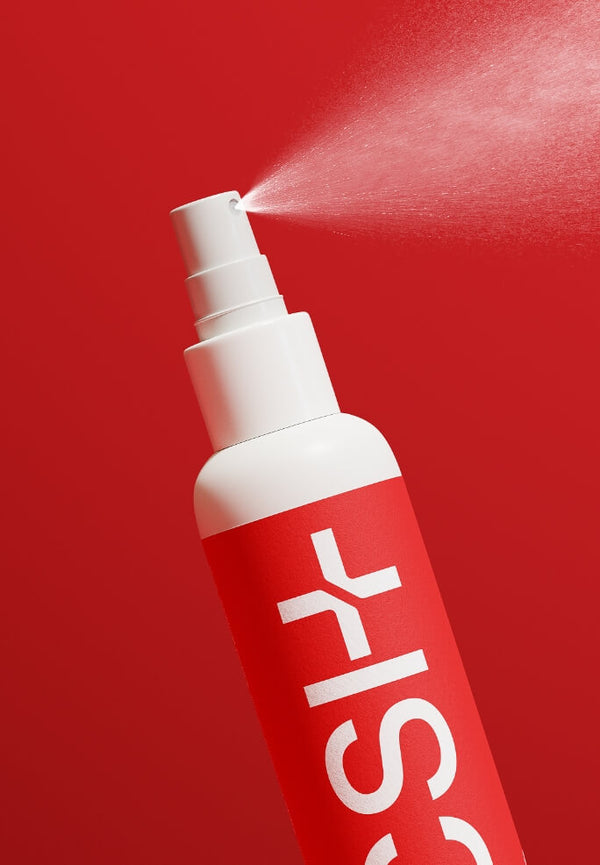
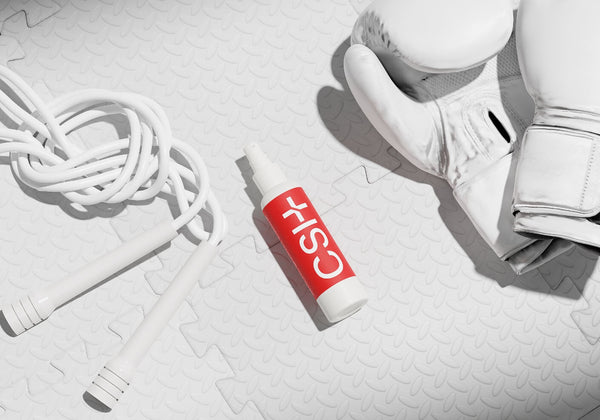
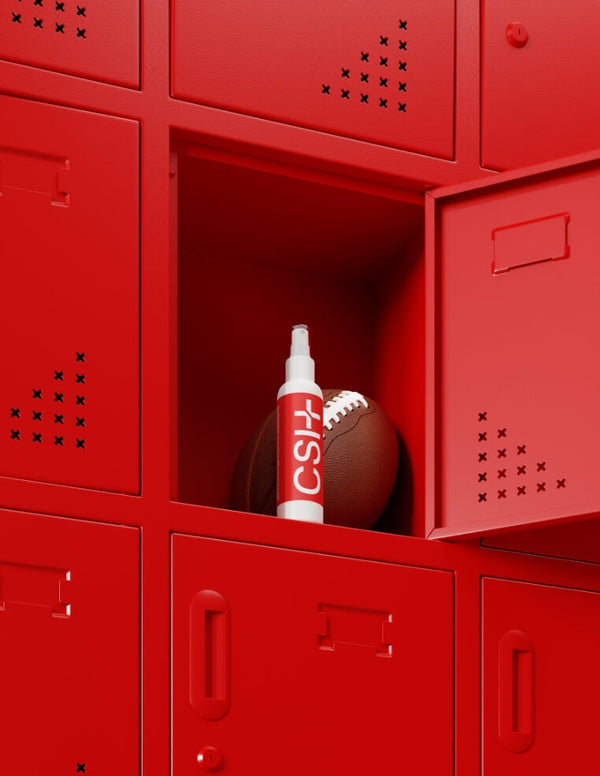
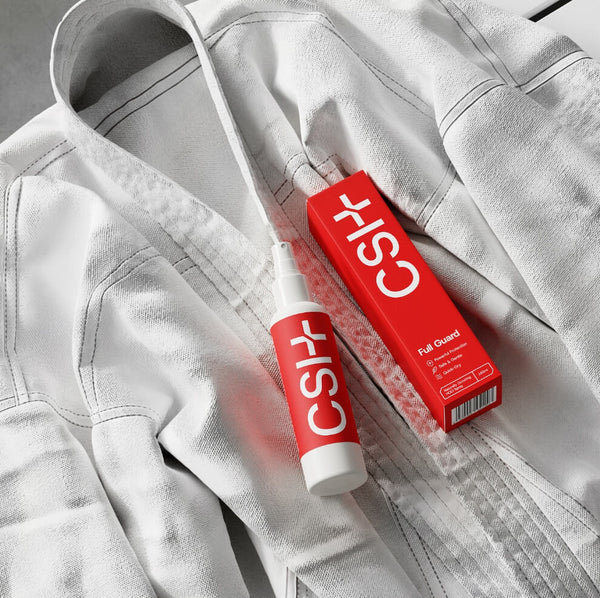
CSH Mat & Gym Floor Cleaner
A bactericidal surface cleaner made for combat sports gyms. Built for tatami, rollout mats, EVA matting and the training floors around them. Clear, low odour, and easy to work into a daily mat routine.
- Bactericidal surface cleaner: formulated to kill 99.9% of germs, including gym-based and mat-borne bacteria, and to conform to EN1276, EN14476 and EN13697
- For tatami, rollout mats, EVA jigsaw matting, sprung, vinyl and hard floors
- No hazard labelling required, unrestricted for transport
- UK-made, bulk and wholesale available for gyms
Don't forget under and around the mats
Sweat and moisture get under puzzle mats and into the edges, where they're out of sight and easy to ignore. Periodically lifting mats to clean and dry underneath - and checking the floor beneath - stops moisture and grime quietly building up. The gaps between mats and the walls collect dust and hair too. A surface that looks clean isn't the whole picture.
Make it a club standard
Cleaning works best when it's part of the culture rather than one put-upon person's job. Coaches can bake it into a wider hygiene policy with a clear schedule and someone accountable - see a coach's guide to a gym hygiene policy. It pairs naturally with keeping shared kit clean - see towel and equipment hygiene.
A note on products and claims
Follow the directions and safety information on whatever cleaning product you use, and choose one suitable for your mat type, such as our mat and gym floor cleaner. Remember that disinfecting a surface is a separate question from anything to do with skin - there's a neutral explainer on one commonly discussed ingredient in what is hypochlorous acid.
What not to use on training mats
Most mat damage in gyms comes from improvising with whatever is under the kitchen sink. A few specifics worth knowing before someone volunteers a "stronger" idea.
- Household bleach. Harsh on tatami-finish and vinyl surfaces, can discolour and degrade the top layer over time, and leaves residue that goes onto bare skin. Gyms that use it tend to find out the hard way.
- Neat solvents and strong alcohol. They can attack the mat surface and dry it out, causing cracking and a chalky finish. They also evaporate too fast to sit for any stated contact time.
- Anything heavily fragranced or intended for kitchens and bathrooms. These are formulated for hard, non-porous worktops, not a surface that thirty people press their bare skin against. Residue is the recurring problem, and residue on skin is a known cause of irritation, covered in contact dermatitis from mats.
- Too much product, or product left to pool. More is not better. Excess sits in seams and edges, stays tacky and attracts more dirt.
- A soaking-wet mop. Water forced into seams and under puzzle mats is the origin of most under-mat moisture problems.
The rule that covers all of it: use a product intended for training-floor surfaces, follow its label, and check suitability with your mat manufacturer if you are unsure. A mat set is one of the biggest capital items a gym owns.
Can you steam clean BJJ mats?
This comes up regularly, and the answer is a firm "check before you try it." Steam cleaners combine heat and moisture, and both are risks on mat surfaces: heat can affect vinyl and tatami-finish tops and the adhesives in some constructions, while moisture driven into seams and under jigsaw mats is exactly the problem you spend the rest of your cleaning routine avoiding.
Some manufacturers permit steam on some products, and some explicitly do not. That is genuinely a per-product answer, so the manufacturer's guidance decides it, not a forum thread. If your mats do allow it, treat steam as an occasional deep-clean tool rather than a daily routine, and make drying time part of the plan.
For the day-to-day job, a mat-safe cleaner applied properly and given its stated contact time is the more practical approach, and it does not carry the risk of an expensive mistake across a whole mat set.
Beyond the mats: the rest of the room
Mats get the attention because they are the biggest surface, but skin touches plenty of other things in a training session.
- Wall pads and crash mats, which take contact and sweat and get cleaned far less often than the main mat space.
- Shared gear: focus pads, thai pads, gloves, headgear and any loan kit. Wipe down per the item's instructions, and get loan kit cleaned between users rather than between terms.
- Benches, door handles, light switches and the mat-edge rail that everyone leans on between rounds.
- Changing rooms and showers, particularly the floors, which is the one place athletes are barefoot and off the mats.
- Cleaning equipment itself. A mop head that lives permanently damp in a bucket is not cleaning anything. Rinse it, dry it, replace it periodically.
The shared-kit side is covered in more detail in towel and equipment hygiene.
A mat cleaning schedule you can pin to the wall
Systems beat intentions. This is the structure most well-run gyms converge on, and it works because each task has a rhythm and an owner.
- Between classes: clear obvious debris and spot-clean any visible sweat, blood or spill immediately, following your gym's procedure for the latter.
- End of every training day: sweep or dry-mop, then clean the full mat surface with a mat-safe product, respecting contact time and letting it dry before the room is used again.
- Weekly: the edges, seams, wall pads and the floor immediately around the mat space.
- Monthly: lift jigsaw mats or roll back tatami to clean and dry underneath, and check for any moisture, damage or lifting seams.
- Termly or quarterly: a full deep clean, plus a review of the stock cupboard so nobody is improvising because the bottle ran out on a Tuesday.
Two details make it stick: name the person responsible for each slot rather than leaving it to whoever remembers, and keep a visible log by the mat. A tick sheet on the wall is unglamorous and it is the single most reliable way to make sure the end-of-day clean actually happens on the night the gym is busiest. The wider policy framework is in a coach's guide to a gym hygiene policy, and the chemical side for owners is in the gym owner's guide to mat cleaning chemicals.
Quick clean vs deep clean
It helps to think in two tiers. The quick clean is the after-session wipe-down: clear the obvious sweat and debris and run over the surface with a mat-safe product so the mats aren't sitting dirty overnight. The deep clean is the scheduled, thorough job - moving mats, getting into edges and seams, and giving the whole area proper attention. Busy gyms need the quick clean daily and the deep clean on a regular rhythm; a home setup can scale both down but shouldn't skip them entirely. Trying to replace lots of small cleans with one occasional blitz is the usual mistake, because the day-to-day build-up is exactly what daily contact spreads around.
Common questions
How often should mats be cleaned?
A light clean after each session and a thorough clean on a regular schedule is the general principle. The right frequency depends on how heavily the mats are used - a busy full-time gym needs more than a garage setup trained on twice a week.
What about a home mat setup?
The same logic scales down: clear debris, use a mat-safe product per its instructions, respect contact times, and let it dry. The advantage at home is that you know exactly who's been on it; the discipline of doing it consistently is the main thing.
Is mopping with water enough?
Removing visible debris and sweat is part of it, but plain water doesn't do what a proper mat-safe disinfectant used to its instructions does. Clean first, then disinfect per the label - and always pick products suitable for your mats.
Do I need a special "mat" disinfectant?
What matters is that the product is suitable for your type of mat and that you use it according to its instructions, including contact time. Some cleaners can damage certain mat finishes, so checking suitability is sensible. Follow the label, and when in doubt, check with your mat's manufacturer.