Pre-Competition Skin Checks and IBJJF Skin Rules
Educational information only – read the full notice
Roll up to a comp with a dodgy patch of skin and you may get turned away at the check - competition organisers take this seriously, and rightly so. Here's how skin checks generally work and how to prepare so you're not caught out at the table. General information, not medical advice, and the only product mentioned is a CE/UKCA marked first aid kit for covering broken skin, not a medicine. The doctors we work with sit on the other side of this kind of check - our CMO, Dr Asoka Wijayawickrama, works ringside for Cage Warriors and Misfits Boxing - so it's an area we take seriously.
Why skin checks exist
Bringing a contagious skin condition into a venue full of people in close contact is how an outbreak starts. Federations and event organisers screen competitors to protect everyone in the building - the same logic behind staying off the mats when something's wrong, just formalised into a rule at the door.
What officials typically look for
Checks usually involve a visual inspection for signs of contagious conditions - open sores, crusting, blistering, weeping lesions, and ring-like patches that could be ringworm. The person checking generally isn't diagnosing you; they're deciding whether anything visible could pose a risk to other competitors. Rules vary by organisation and event, and some require a doctor's note to clear a recent or visible condition, so always read the specific ruleset for your competition in advance rather than assuming it's the same everywhere.
How to prepare responsibly
- Check your own skin in the days before - head, neck, arms, torso, legs and feet. Don't discover a problem at the table.
- If you spot something, see a clinician early. Trying to "hide" a condition risks others and your own eligibility.
- If you've had a condition recently, get clearance and bring any documentation the event requires.
- Pack clean kit and good travel hygiene - see travelling and competing hygiene.
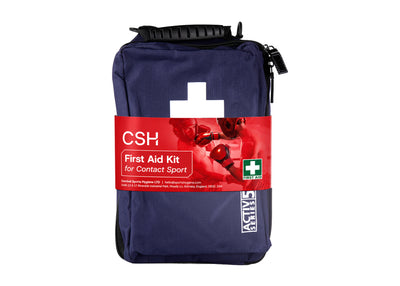
The kit-bag essential
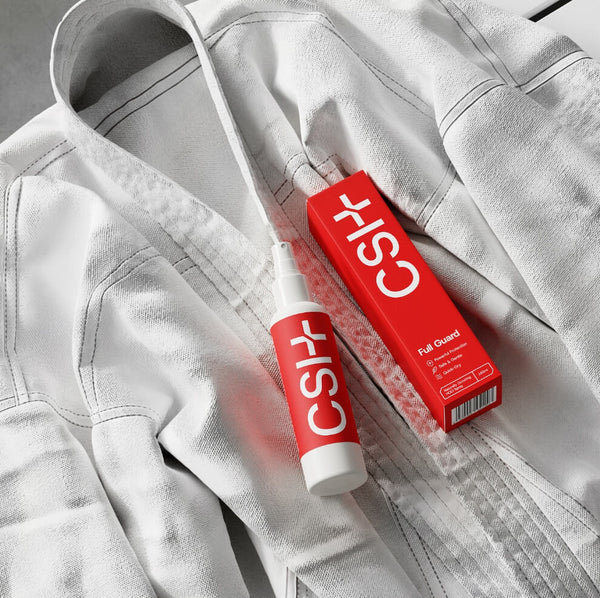
CSH Personal First Aid Kit · £26.99
Referees turn away uncovered skin, and a comp day is the worst time to discover your bag has nothing in it. A kit in the comp bag is the difference between taping up and forfeiting the bracket.
A first aid kit of CE/UKCA marked wound-care items, not a medicine. Anything spreading, hot or not settling needs a pharmacist or GP.
What happens if you're flagged
It varies by event, but being flagged can mean anything from "cover it and you're fine" to being pulled from the bracket, depending on what it is and the ruleset. A doctor's note clearing a non-contagious condition can make the difference, which is one reason getting something looked at and documented in advance is worth the effort. Arguing with the official at the table rarely helps; turning up prepared does.
The honest bit
Don't game the check. If something might be contagious - say ringworm - the right move is to get it treated and compete another day, not to cover it up and hope. Beyond the obvious risk to others, getting caught hiding a condition is a fast way to damage your standing in what is, ultimately, a small community.
In the weeks before a comp
The best way to pass a skin check is to have nothing to flag - and that starts well before the day, not at the venue. In the run-up to a competition, tighten the basics rather than leaving anything to chance:
- Wash and dry properly after every session, and keep your kit scrupulously clean.
- Be a little choosier about unfamiliar open mats and seminars in the final week, where you're rolling with strangers whose skin you can't vouch for.
- Look after minor cuts and mat burns so they heal rather than linger as open patches.
- Check your own skin every few days - head, neck, arms, torso, legs and feet - so nothing creeps up on you.
The other half is giving yourself a buffer. If a questionable patch appears a few days out, you've got time to see a pharmacist or GP and either clear it or accept you're competing another day. Leaving everything to the morning of the comp is how a small, treatable thing turns into a wasted entry fee and a long drive home.
Common questions
What exactly will they check?
Typically a visual once-over of exposed skin, looking for anything that could be contagious. The specifics depend on the organisation, so read your event's ruleset - and assume they'll look properly rather than just glance.
Can I compete with a covered-up patch?
Sometimes, depending on what it is and the rules, but a cover-up isn't a guaranteed pass and it's no substitute for knowing the patch isn't contagious. Get anything questionable assessed before you travel.
Do I need a doctor's note?
Some events require one to clear a visible or recent condition. Check the ruleset early so you've time to get an appointment and the paperwork sorted, rather than scrambling on the morning of the comp.
I had ringworm a month ago - can I compete now?
If it's fully resolved and a clinician is happy it's no longer contagious, usually yes - but check your event's rules, as some want documentation for a recent condition. Don't rely on your own judgement that it's "gone"; get it confirmed and bring any note the organisers ask for.
When to see a doctor
If you have any skin change before a competition that could be contagious, get it assessed and cleared by a clinician rather than guessing.
This article is general educational information and not medical advice, and it isn't about any Combat Sports Hygiene product. Always follow your specific competition's official ruleset.
BJJ Hygiene
Good hygiene is the best foundation for healthy training. Explore the everyday hygiene routine, kit and guides for BJJ athletes, all in one place. Explore the BJJ hygiene hub →
Passing the skin check starts weeks earlier, with every mat burn and cut treated and covered properly — the protocols are in our guide to treating cuts and mat burns in BJJ.