Hand and Nail Hygiene for Grapplers
Educational information only – read the full notice
Long, sharp nails are the fastest way to make enemies on the mat - and the scratches they leave are exactly where skin problems get in. Hand and nail hygiene is low-effort and high-impact, which makes it one of the easiest wins in grappling, and it's the first thing I check before a session. General information here, not medical advice, and the only product mentioned is a CE/UKCA marked first aid kit for covering broken skin, not a medicine.
Why nails matter so much
Grappling is grip-heavy and close. Long nails gouge skin, and those small breaks are entry points for the bacteria and fungi behind staph and ringworm. Keeping nails short protects your partners from scratches and protects you from the cuts that let infections in - it genuinely cuts both ways.
The simple routine
- Keep nails short and smooth. Trim fingernails and toenails regularly, and file off rough edges so they don't catch skin or fabric. A quick check before every session takes ten seconds.
- Wash your hands before and after training, and try not to touch your face mid-session with mat-hands.
- Keep cuts covered appropriately while they heal, so they're not an open door on the mat.
- Dry your hands properly - damp skin and split, broken cuticles are weak points where problems start.
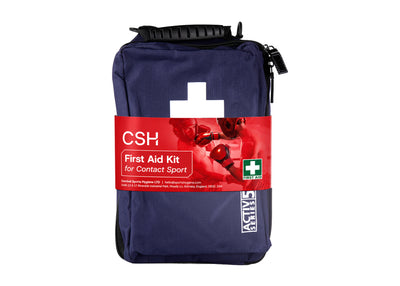
The kit-bag essential
CSH Personal First Aid Kit · £26.99
Grip training shreds hands: ripped nails, split fingers, torn calluses. Dressings and tape that survive a sweaty round live in one box - the kit you only wish you had after it happens.
A first aid kit of CE/UKCA marked wound-care items, not a medicine. Anything spreading, hot or not settling needs a pharmacist or GP.
Getting the nail length right
Short, but not so short that you've made the skin around the nail raw - that just creates its own little wounds. Trim straight across, smooth the corners, and don't forget your toenails; barefoot training means your toes are scratching partners just as much as your fingers. A good test: run a nail across your palm. If you can feel a sharp edge, so can the person you're rolling with.
It's etiquette as much as hygiene
Showing up with clean, trimmed nails is part of being a good training partner - see hygiene etiquette for new white belts. Pair it with a proper wash afterwards in the post-training shower routine. The same "keep it clean and dry" thinking covers reused gear like ear guards - see cauliflower ear care basics.
It's not just nails
Nails get the headlines, but a few other hand habits matter just as much:
- Mind cracked, dry skin. Split knuckles and skin around the fingers - common in winter and from constant gripping - are small open doors. Moisturise dry hands and resist picking at hangnails.
- Use tape sensibly. If you tape fingers for grip or to support a niggle, use clean tape, apply it to clean skin, and take it off after training rather than leaving grubby tape on for days.
- Actually wash, don't just rinse. A quick splash isn't the same as washing with soap. Do it before you step on the mat as well as after - you arrive with a day's worth of whatever you've touched.
- Dry thoroughly. Damp hands and soft, waterlogged skin around the nails are weaker than dry skin.
None of this is high-effort; it's the kind of thing that takes seconds once it's a habit and quietly prevents the small breaks that infections exploit.
Common questions
How short is short enough?
Short enough that there's no white edge catching when you run a finger across your palm, but not so short the surrounding skin is sore. Smooth matters as much as short - a filed edge does far less damage than a jagged one.
Should I really wash my hands before training too?
Yes - it's not just an afterwards thing. You arrive with whatever you've touched all day, and you're about to grip your partners and the mat. A quick wash before you step on is a small courtesy that's easy to forget.
When is a nail problem worth checking?
Thickened, discoloured or crumbling nails can be a sign of a fungal nail infection, which a pharmacist or GP can advise on. A painful, red, infected hangnail or nail fold is also worth getting looked at rather than digging at yourself.
Is it okay to bite or pick my nails instead of clipping them?
Best avoided - biting and picking leaves rough, torn edges that catch skin, and it moves whatever's on your hands straight to your mouth. A cheap pair of clippers and a quick file does a far better and more hygienic job.
Do gym grips or chalk affect hand hygiene?
They can dry the skin and leave residue, so wash your hands afterwards and look after dry, cracking skin. Clean hands and intact skin matter more than whatever you're using for grip.
When to see a doctor
See a pharmacist or GP for nail changes such as thickening or discolouration, painful infected hangnails, or any cut that becomes red, hot or pus-filled.
This article is general educational information and not medical advice, and it isn't about any Combat Sports Hygiene product. If you're worried about your skin or nails, contact a GP or pharmacist.
BJJ Hygiene
Good hygiene is the best foundation for healthy training. Explore the everyday hygiene routine, kit and guides for BJJ athletes, all in one place. Explore the BJJ hygiene hub →
Clippers and files are half the story — the same logic puts a few medical basics in every gear bag. See what needs to be in a grappler's first aid kit for the full list.