Retail in a BJJ Gym: How to Turn a Dusty Shelf into Real Club Revenue
Educational information only – read the full notice
Share
Walk into most BJJ gyms and you'll find the same sad sight somewhere near the front desk. A shelf with three rashguards in the wrong sizes, a roll of finger tape, and a gi that's been there since the place opened. That's not retail. That's storage.
Done properly, retail is one of the easiest revenue lines a gym can add. No extra rent. No extra class slots. No new staff. Just margin on products your members already need, sold by people they already trust, in a place they already visit three times a week. Here's how to make it work.
Why retail belongs in every gym
Most gyms run on thin margins. Mat space is fixed, class times are fixed, and there are only so many memberships you can sell before you're stacked wall to wall. Retail is one of the few income streams that grows without costing you more mat time.
The maths is simple. A member paying £90 a month is worth £1,080 a year. If that same member also buys a rashguard, a spare gi, tape, soap and a club hoodie from you across the year, you've added £150 to £250 to their value without adding a single class. Multiply that across a hundred members and retail quietly becomes the equivalent of ten or fifteen extra memberships.
There's a second benefit that owners underrate: kit keeps people training. The member with two gis and a fresh rashguard in the bag has fewer excuses to skip Tuesday. Every product you sell that removes a barrier to training protects the membership fee behind it.
Why members actually want to buy from you
Here's the part most owners get wrong. They think selling to members is an imposition. In reality, your members would rather buy from you, for three reasons.
Convenience. Nobody enjoys guessing rashguard sizes online or waiting four days for delivery when they've got open mat on Saturday. You're right there, they can try it on, and they walk out with it.
Trust. Your members assume, correctly, that you won't stock rubbish. A coach who has spent years watching gis fall apart knows which ones survive. That filter is worth paying for, and members know it.
Belonging. A club rashguard or hoodie isn't just kit, it's a badge. People want to rep their gym at competitions, on holiday, in the supermarket. You're not selling fabric, you're selling membership of the tribe. That's something no online retailer can offer.
The gyms that do retail well don't push any of this. They simply make good products visible and easy to buy, and let those three forces do the work.
Stock less, sell more
The biggest retail mistake in gyms is clutter. Twenty products gathering dust sell worse than six products chosen well. Curation is the whole job.
Think in terms of tonight's problems. What does someone need an hour before class? A rashguard because theirs is still wet in the washing machine. Tape because their fingers are shredded. A mouthguard because they left theirs at home. Soap or shower kit because they're going straight to work after training. A belt because they just got promoted and the old one is retired to the trophy shelf.
Stock those, in sensible sizes, and keep them where people queue, pay or wait. The front desk is prime real estate. So is anywhere parents sit during kids' classes. If your retail lives in a cupboard that members have to ask about, it doesn't exist.
One more rule: everything you stock should be something you'd genuinely recommend. The first time a member buys something shoddy from you, your retail credibility is gone, and it doesn't come back cheap.
How to present offers without feeling like a salesman
Nobody opens a gym because they love selling, and members can smell a hard pitch a mile off. The good news is that the best gym retail involves almost no selling at all. It's about presentation.
Bundle for moments, not margins. A "new starter kit" with a gi, rashguard, mouthguard and soap solves a real problem: the fresh white belt has no idea what to buy. A "competition weekend" bundle in the run up to a local comp does the same. Bundles work because they answer a question the member was already asking.
Anchor with your best product, not your cheapest. Put the quality gi front and centre with the price visible. The mid-range option next to it suddenly looks like sensible value, and that's what most people buy.
Use promotion moments. Gradings and stripe days are natural retail days. New belt, new rashguard, photo for the club page. Nobody feels sold to, because the purchase is part of the celebration.
Be careful with discounts. A permanent 10% off teaches members that full price is for mugs. Better to keep prices honest year round and use occasional member-only offers that reward loyalty rather than train bargain-hunting.
And put prices on everything. If a member has to ask, most won't, and the sale dies in silence.
Your staff are your secret weapon
Big retailers spend fortunes trying to fake what you already have: staff whose product opinions people actually trust.
When a coach says "that gi will last you five years, mine's on year six", that carries more weight than any advert ever written. So use it, with two rules.
First, coaches recommend, they never pitch. The line is simple: answer questions honestly, share what you personally use, and stop there. "What gi should I get?" is an invitation. Cornering a white belt by the water fountain is not. The moment members feel hunted, the whole thing collapses.
Second, make sure your team actually knows the products. Ten minutes in a staff meeting covering what you stock, why you chose it, and what it costs is enough. A coach who shrugs at a product question kills a sale; a coach who says "the one on the shelf, I use it myself, £15" completes one without trying.
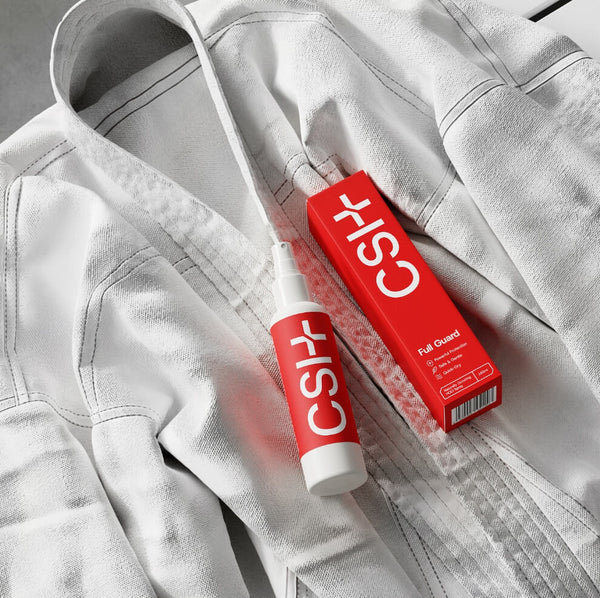
The hygiene conversation is a perfect example. Every good coach already talks to members about washing kit and showering after class, because it protects everyone on the mats. If the gym stocks soap and shower basics right by the exit, that advice becomes actionable ten seconds after it's given. The coach was going to give the talk anyway. The shelf just finishes the sentence.
Frame it as what it actually is: supporting the club
Here's the framing shift that changes everything. Retail money doesn't disappear into some corporate void. It buys the new mats. It subsidises the kids' competition team. It keeps the membership fee from creeping up. Every rashguard bought from the club shelf instead of a faceless website is money that stays in the room the member trains in.
Say this out loud, because members genuinely care. A simple sign or an occasional post along the lines of "everything bought from the club shop goes back into the club" does more for retail than any discount. People who love their gym want ways to support it, and buying kit they needed anyway is the easiest way you can offer them.
Be transparent and mean it. If shop proceeds helped pay for the new crash mats or comp entry fees for the juniors, tell people. Members who see the loop close become your best customers and your loudest advocates.
A simple way to start this month
If you're starting from zero, don't overthink it:
- Pick five or six products that solve pre-class problems: rashguard, tape, mouthguard, soap, club hoodie, belts.
- Put them somewhere visible with clear prices on every item.
- Brief your coaches: recommend honestly, never pitch, know the prices.
- Build one starter bundle for new members and mention it at sign-up.
- Tell members where the money goes, and keep telling them.
- Review what sold after eight weeks, drop the dead stock, and double down on what moved.
That's an afternoon of work for a revenue line that compounds every month.
The bottom line
Retail in a BJJ gym isn't about squeezing members. It's about being useful. Your members need kit, they trust your judgement, and they'd rather their money strengthened their own club than a stranger's warehouse. Stock things worth owning, present them clearly, let your coaches' honesty do the selling, and be open about where the money goes.
The dusty shelf isn't a lost cause. It's the cheapest expansion your gym will ever make.