The Post-Match Hygiene Timeline: The Golden 20-Minute Window
Educational information only – read the full notice
The Post-Match Hygiene Timeline: The Golden 20-Minute Window
Most players obsess over warm-ups and recovery protocols, then undo the lot by sitting in wet, muddy kit at the clubhouse bar for two hours. Warm, moist, bacteria-laden skin is the ideal environment for pathogens like Staphylococcus aureus, ringworm, and herpes gladiatorum to take hold. The 20-minute window immediately after full-time is when your hygiene decisions matter most. Here's how to use it.
Why "I'll Shower at Home" Is a High-Risk Decision
It's a familiar logic: the facilities at the away ground are grim, there's a bus to catch, or you just want to get to the bar. The problem is biology doesn't care about your schedule.
During a match your skin barrier takes a beating - abrasions from tackles, turf contact, close-quarters scrimmaging. That compromised barrier, combined with heat and sweat, creates exactly the conditions bacteria need to proliferate fast. At normal skin temperature, S. aureus doubles roughly every 30 minutes under humid conditions. Sitting in wet kit for 90 minutes isn't neutral - it's actively creating a risk window.
Fungi behave similarly. Ringworm spores transferred from a contaminated pitch or an opponent's skin start to establish on warm, moist surfaces quickly. Waiting until you get home extends that window considerably.
The 20-minute rule isn't perfectionism. It's the difference between a minor skin issue and a staph boil that keeps you off the pitch for a fortnight.
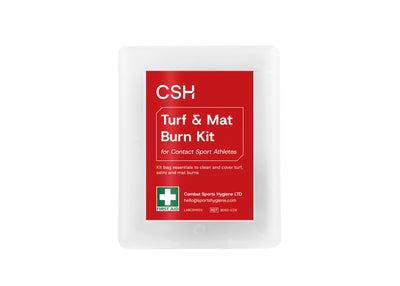
The kit-bag essential
CSH Turf & Mat Burn First Aid Kit · £14.89
The first ten minutes after the whistle is when grazes get sorted or get worse. Sterile saline, burn gel, non-adherent dressings and tape in the match-day bag beats a petrol-station plaster on the drive home.
A first aid kit of CE/UKCA marked wound-care items, not a medicine. Anything spreading, hot or not settling needs a pharmacist or GP.
0-5 Minutes: Strip and Bridge Cleanse
Final whistle. Before you do anything else - before the team talk, before checking your phone - get your outer layers off. Muddy jerseys, sodden shorts, and compression leggings trap bacteria against your skin. Remove them and keep them away from clean kit in your bag.
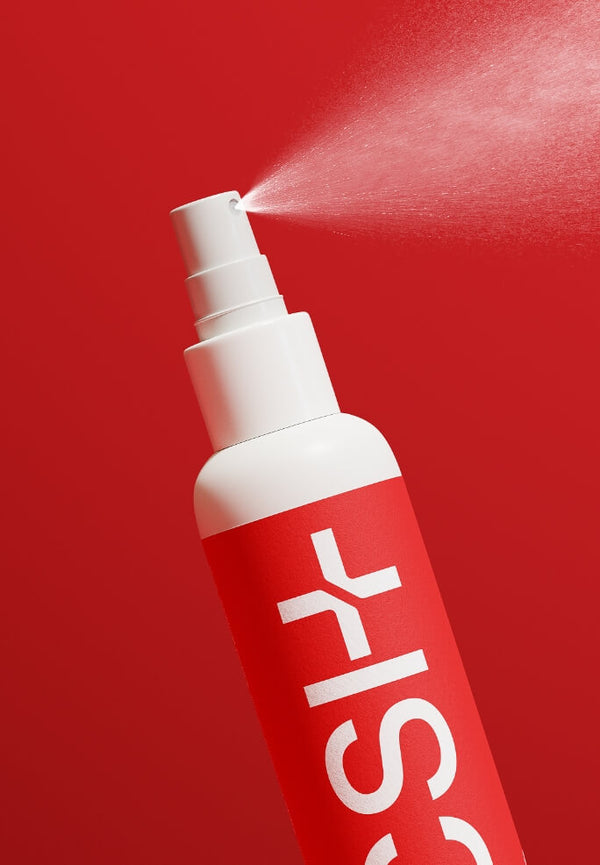
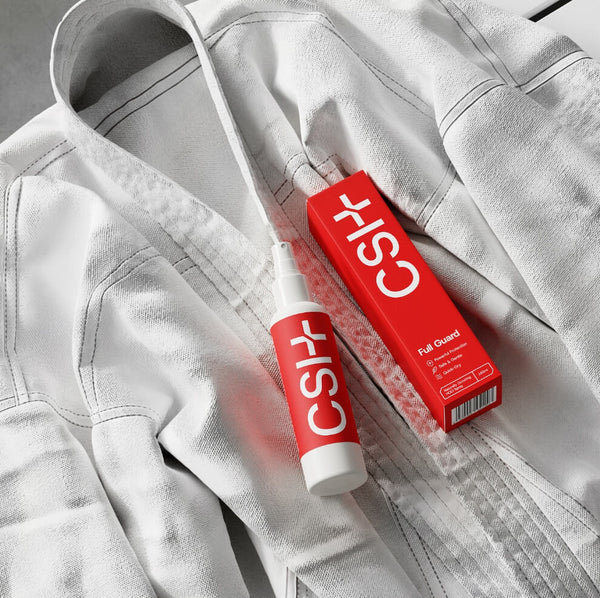
If the showers aren't immediately available or accessible, mist exposed skin - forearms, neck, face, any visible abrasions - with Full Guard HOCl Spray, our registered cosmetic spray containing 200ppm of 95% pure hypochlorous acid, formulated at a pH of 5.5-6.5. This isn't a substitute for washing, but it acts as a bridge cleanse while you wait for shower access. HOCl is the same compound your own immune cells produce, and at this concentration it disrupts the surface environment on skin without being harsh.
This step matters most at away grounds where you might be waiting in a queue or where shower access is limited. Strip and spray - then get to the shower as fast as you can.
5-20 Minutes: The Shower That Actually Works
This is a wash, not a rinse. The distinction matters. Many players stand under a shower for 60 seconds, declare themselves clean, and head to the bar. That's not sufficient after 80 minutes of contact sport.
Use the Athlete Soap Bar - a natural tea tree and Dead Sea mud bar - and work through the body properly. Priority areas are: groin, between the toes, underarms, and anywhere skin made contact with another player or the ground.
Specific technique points:
- Feet and toes: athlete's foot fungus thrives in exactly these conditions. Scrub between every toe, not just over the top of the foot.
- Groin: jock itch is a contact sport staple. Thorough wash and proper drying afterwards are the main prevention tools.
- Abrasions and turf burns: clean these particularly well. Open skin is the direct route for pathogens. Pat clean rather than scrub once the abrasion is exposed.
- Face and neck: scrumpox (herpes gladiatorum) transmits face-to-face and skin-to-skin. Wash your face properly, not just a splash of water.
Fifteen minutes in the shower is not excessive. It's what the risk profile of a contact sport actually warrants.
20-40 Minutes: Dry Properly
Drying is where most players cut corners and where fungal issues in particular get established. Leaving moisture in skin folds and between toes after a shower is only marginally better than not showering at all, from a fungal risk perspective.
Use your own towel - never share one, regardless of how well you know your teammates. Pat dry rather than wiping aggressively over any abraded skin. Work through:
- Between every toe
- Groin and inner thighs
- Underarms
- Behind the knees
If you have a known problem area - a recurring patch of athlete's foot, a skin fold that consistently breaks out - apply any personal topical product now, while skin is clean and dry. This is the correct application window, not after you've been sitting in a warm pub for an hour.
A second mist of Full Guard over any residual cuts or abrasions at this stage is also worth doing before getting dressed into clean clothes.
The Communal Shower Reality
Not every club has great facilities. Some away grounds have showers that are more symbolic than functional - lukewarm water, no cubicles, three people to a showerhead. Here's the minimum viable protocol when the facilities are rough:
- Flip flops are non-negotiable. The floor of a communal shower after a match is one of the most pathogen-dense surfaces you'll encounter. Carry them in your kit bag every week.
- A brief soap-up is better than nothing. Even 90 seconds with the Athlete Soap Bar is meaningfully better than a cold rinse or skipping entirely. Do what you can with what's there.
- Bridge cleanse as fallback. If the showers are truly unusable, a thorough application of Full Guard HOCl Spray to exposed skin buys time until you can shower properly at home - but get that proper wash done within a few hours, not the next morning.
Clubs with genuinely poor facilities should hear from their players about it. Skin infections that spread through a squad cost playing time and training quality. Basic shower maintenance is a squad welfare issue.
40 Minutes Plus: Then the Bar
Clean kit on, skin dry, any abrasions dealt with. Now you can go to the bar. This isn't about being puritanical - the post-match bar is part of rugby culture and there's nothing wrong with it. The point is sequence. The hygiene steps take 35-40 minutes total. They don't eat into your evening in any meaningful way, but skipping them because the bar is calling can eat into your season if it lands you with a skin infection.
For everything you should be carrying to make this timeline work every week, see The Ultimate Rugby Kit Bag Hygiene Checklist. The CSH Hygiene Kit is built around exactly this protocol - soap, spray, the lot in one place so there's no excuse for leaving it at home.
Related Guides
- The Ultimate Rugby Kit Bag Hygiene Checklist
- Scrumpox in Rugby: Causes, Symptoms and Return-to-Play
- Ringworm in Rugby: What It Is and How to Deal With It
- Turf Burns in Rugby: Treatment and Infection Prevention
- Jock Itch in Rugby: Prevention and Management
- Rugby Locker Room Infections: What Players Need to Know
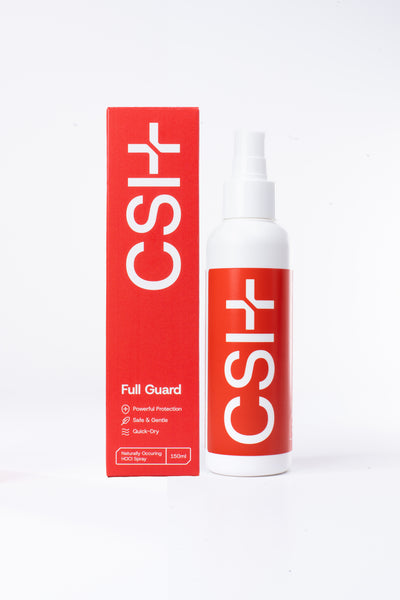
The other half of clean
Full Guard HOCl Spray
Soap is the shower. Full Guard is everything in between. For the highest-contact sports on earth, a rinse-free skin cleanse for the car, the corner and the kit bag is as essential as the bar itself.
- 200ppm of 95% pure hypochlorous acid, a registered cosmetic spray
- Rinse-free and skin-friendly at pH 5.5 to 6.5, dries in about 60 seconds
- Freshens the skin surface when a proper shower is not an option
- Pairs with the Athlete Soap Bar for the complete routine
 Order Full Guard · £16.49
Full Guard is a cosmetic skin cleansing spray registered under the UK Cosmetic Products Regulation. It is not intended to treat, cure, prevent or diagnose any skin condition. For any active skin concern, consult a GP, dermatologist or pharmacist.
Written by Eddie Bye, Founder of Combat Sports Hygiene.
Rugby Hygiene Hub
The kit, the guides and the routines that keep rugby athletes clean and training, all in one place. Explore the Rugby hygiene hub →
The post-match window matters even more when you have picked up a knock or an open graze — our guide to pitch-side rugby first aid covers treating blood injuries, impacts and head knocks before the shower even starts.
The rugby bag, sorted
First aid kits built for grass and astro burns, a rinse-free cleansing spray for after training, handmade soap for the shower, and the spray for scrum caps and shared kit. For players, parents and clubs, with the season written up in order.
See the rugby hygiene and first aid collection →