The Ultimate Rugby Kit Bag Hygiene Checklist: What Every Player Needs
Educational information only – read the full notice
The Ultimate Rugby Kit Bag Hygiene Checklist: What Every Player Needs
This is the reference page. Everything else in the CSH rugby hygiene series points here because this is where it all comes together - the personal hygiene kit, the gear care habits, the locker room rules, the laundry protocol, and the red flags that mean you stay home. Bookmark it, print it, or just check it once a season to make sure nothing's slipped. If you play contact sport regularly, the habits below are non-negotiable.
The Personal Hygiene Essentials
These are the items that should be in your kit bag every single session, without exception. Not most sessions. Every session.
Soap bar. Your own, not the club's communal block of soap that twelve people have already used. The Athlete Soap Bar - a natural tea tree and Dead Sea mud bar - is built for exactly this purpose. Tea tree has recognised cosmetic skin-cleansing properties, and the format means it travels well without spillage. One bar goes a long way.
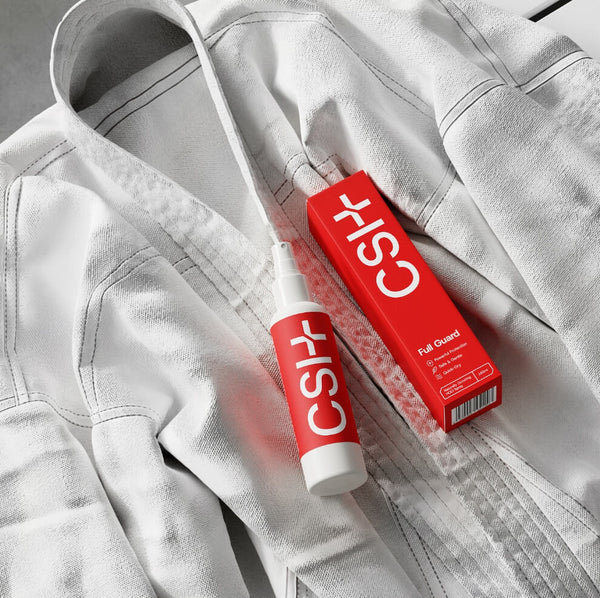
HOCl skin spray. Full Guard HOCl Spray is a registered cosmetic spray containing 200ppm of 95% pure hypochlorous acid, formulated at a pH of 5.5-6.5. It's the bridge cleanse you use on exposed skin before you can get to a shower, and the finishing step over cuts and abrasions once you're clean and dry. Fits in any kit bag pocket.
Your own towel. Never share one. This is non-negotiable. A shared towel can transfer ringworm, impetigo, and staph directly to clean skin. Buy a second cheap one to live in the kit bag permanently so you never forget it.
Flip flops. Communal shower floors after a rugby match are among the most pathogen-dense surfaces a player encounters. Athlete's foot and plantar warts transmit easily on wet surfaces. Flip flops weigh nothing and solve the problem entirely.
Clean change of clothes. Getting into clean kit after a shower is the payoff for doing the hygiene steps properly. If you drive home in your damp match kit, you've partially undone the shower.
The CSH Hygiene Kit is designed as the one-box solution - soap, Full Guard spray, and everything you need to cover the personal hygiene essentials without having to build the kit from scratch.
The Skin Inspection Habit
Two minutes before every session and two minutes after every session. That's the habit.
Before training: check for any open cuts, abrasions, or unusual skin changes - redness, pustules, blisters, or patches that look different from last time. If you have an active skin issue, it may need to be assessed before you train. Playing through an infectious skin condition risks your own recovery and exposes teammates.
After training: note any new abrasions, turf burns, or areas where skin contact was particularly heavy. These are the zones to pay attention to in your post-session shower and the areas where problems tend to develop over the following 24-48 hours.
Know what you're looking for. The main conditions in rugby - covered in detail in the medical cluster:
- Scrumpox (herpes gladiatorum) - clusters of small blisters, typically on the face and neck, that recur and spread through skin-to-skin contact
- Staph infections and MRSA - red, warm, swollen skin or boils that don't resolve; can escalate quickly
- Ringworm (tinea corporis) - circular, scaly, itchy patches; contagious and often misidentified
- Impetigo - honey-coloured crusted sores; highly contagious and a return-to-play issue
- Cauliflower ear - swelling and haematoma of the ear from repeated impact; hygiene matters during and after drainage
If you're not sure what you're looking at, get it seen. A GP or pharmacist can assess quickly, and most of these conditions are straightforward to manage when caught early.
The Post-Match Timeline
There's a 20-minute window after the final whistle that determines most of your skin infection risk for the week. The sequence is: strip muddy outer layers immediately, mist exposed skin with Full Guard as a bridge cleanse, shower properly within 20 minutes, dry thoroughly with your own towel paying particular attention to the groin and between the toes, then get into clean clothes.
The detail matters here - specifically, why "I'll shower at home" is a genuinely high-risk decision and what to do when the away ground's facilities are poor. Read the full breakdown in The Post-Match Hygiene Timeline: The Golden 20-Minute Window.
Gear Care On the Go
What you do with damp kit between the final whistle and getting it washed makes a real difference. Wet kit bundled into a closed bag starts to smell within hours and starts harbouring meaningful bacterial growth within a day. The habits:
- Open your kit bag or invert it as soon as you get home to allow airflow. Never leave wet kit sealed in a bag overnight.
- Remove boots immediately after a session. Damp boots sealed in a bag breed fungal growth fast.
- Rinse mud off before kit sits. Dried mud is harder to shift and reduces wash effectiveness.
Each piece of gear has its own care requirements. The guides that cover them in detail:
- Smelly Rugby Boots: Causes and Fixes - boots are one of the highest-risk fungal items in your bag
- How to Clean Rugby Shoulder Pads - foam and padding that rarely gets washed but accumulates bacteria rapidly
- How to Wash a Scrum Cap - sweat-soaked padding against your head every session
- How to Clean a Rugby Mouthguard - one of the most bacteria-dense items in any kit bag
- Turf Burns: Treatment and Infection Prevention - open skin from turf contact is a direct infection route
Locker Room Survival
The locker room and communal shower are where a large proportion of contact sport skin infections actually transmit - not on the pitch. The surface conditions (warm, wet, heavy footfall) are close to ideal for dermatophytes and bacteria. The rules:
- Flip flops at all times on wet floors - shower, changing room floor, poolside if you ice bath.
- Your own towel, always - already covered above, worth repeating.
- Your own razor - sharing razors is a direct route for staph and herpes transmission. Never share, even once.
- Don't share kit - jerseys, shorts, base layers, and particularly socks can carry ringworm, staph, and fungal spores from one player to another. Even if you trust the person, the risk isn't worth it.
Deeper reading on the locker room risk environment:
- Rugby Locker Room Infections: What Players Need to Know
- Ice Bath Hygiene in Rugby: The Risks Players Miss
- Sharing Equipment and Infection Risk in Rugby
- Jock Itch in Rugby: Prevention and Management
The Laundry Protocol
The most common mistake in sports laundry is treating it the same as regular household washing. A 30°C eco-cycle with standard detergent shifts dirt but leaves a significant population of bacteria and fungal spores alive in the fabric. The minimum viable kit wash is: biological (enzyme) detergent plus a laundry sanitiser additive, at 40°C, with kit turned inside out, no fabric softener, fully dried before storing.
The full science - including why fabric softener is actively counterproductive, why tumble drying beats air drying for pathogen reduction, and what temperatures different fabrics can actually tolerate - is in Why Cold Water Washing Fails to Kill Sports Bacteria.
Other laundry guides in the cluster:
- Why Your Rugby Kit Smells and How to Fix It - the jersey-specific guide
- How to Remove Rugby Grip Spray From Kit - grip spray residue interferes with subsequent washes if not dealt with
- How to Sanitise a Rugby Ball - training balls are high-touch items that rarely get cleaned
The Packing Checklist
Use this before every session. Print it, screenshot it, or check it mentally while you're loading your bag.
- Personal soap bar (Athlete Soap Bar or equivalent)
- HOCl skin spray (Full Guard)
- Your own towel
- Flip flops
- Clean change of clothes - full set, including underwear and socks
- Mouthguard in its own clean case (not loose in the bag)
- Any personal topical products for known problem areas
- Plasters or wound closure strips for minor cuts
- Separate bag or liner for wet/dirty kit post-session - keeps it away from clean items
The CSH Hygiene Kit covers the core hygiene items in one purchase - Full Guard spray, Athlete Soap Bar, and the essentials to build the rest of this kit around.
Red Flags - When to Stay Off the Pitch
This is the section most players resist, but it matters - for your own recovery and for your teammates. Certain skin conditions require you to sit out until they're resolved or cleared by a medical professional. Playing on with an active infectious skin condition doesn't make you tough; it spreads the problem through the squad.
Stay off the pitch and get assessed if you have:
- Active scrumpox outbreak - blistering herpes gladiatorum lesions are highly contagious through skin-to-skin contact. Return to play requires full crusting of lesions and ideally medical clearance. See: Scrumpox in Rugby
- Unresolved boil or suspected staph/MRSA - warm, swollen, fluctuant skin lesions need assessment before return to contact. See: Staph, Boils and MRSA in Rugby
- Active ringworm on exposed skin - if it can make contact with another player during training, you need treatment underway and lesions covered or resolved before returning. See: Ringworm in Rugby
- Active impetigo - one of the most contagious common skin infections; return-to-play guidance is strict for good reason. See: Impetigo and Return to Play in Rugby
- Cauliflower ear with recent drainage - open drainage sites need to be protected and monitored before returning to contact. See: Cauliflower Ear Hygiene
If you're unsure whether what you're looking at is one of these conditions, see a GP, pharmacist, or sports medicine practitioner before training. Most of these conditions are eminently treatable when caught early - and significantly harder to manage, and more disruptive to your season, when they're not.
Related Guides
- The Post-Match Hygiene Timeline: The Golden 20-Minute Window
- Why Cold Water Washing Fails to Kill Sports Bacteria
- Why Your Rugby Kit Smells and How to Fix It
- Scrumpox in Rugby
- Staph, Boils and MRSA in Rugby
- Ringworm in Rugby
- Impetigo and Return to Play in Rugby
- Cauliflower Ear Hygiene
- Rugby Locker Room Infections
- Ice Bath Hygiene in Rugby
- Sharing Equipment and Infection Risk in Rugby
- Jock Itch in Rugby
- Turf Burns in Rugby
- How to Clean a Rugby Mouthguard
- How to Wash a Scrum Cap
- Smelly Rugby Boots: Causes and Fixes
- How to Clean Rugby Shoulder Pads
- How to Sanitise a Rugby Ball
- How to Remove Rugby Grip Spray From Kit

For the gear that can't be washed
Gear Guard Equipment Cleaner Spray
A targeted HOCl surface spray for the kit no washing machine can help: gloves, pads, headgear, boots and bag linings. Spray until visibly wet, wait 60 seconds, wipe, and let it air dry.
- Independently tested surface biocide (BS EN 13727, BS EN 1650)
- One-minute contact time, then wipe and air dry
- No fragrance, dries clear, nothing left behind once dry
- 100ml fine mist, hundreds of targeted sprays, UK-made
Use biocides safely. Always read the label and product information before use. Gear Guard is for equipment, not skin. Fabric kit goes in the washing machine.
Written by Eddie Bye, Founder of Combat Sports Hygiene.

Add it to the kit bag: the CSH Personal First Aid Kit packs nosebleed care, turf-burn dressings, an instant cold pack and trauma shears into a water-resistant ripstop case built to live with your boots. Shop the kit — £26.99 →
Rugby Hygiene Hub
The kit, the guides and the routines that keep rugby athletes clean and training, all in one place. Explore the Rugby hygiene hub →
One more thing that belongs in the bag: your own medical supplies. See what needs to be in a personal first aid kit, or grab the ready-made CSH personal first aid kit and be the player who never has to ask around for tape.
The rugby bag, sorted
First aid kits built for grass and astro burns, a rinse-free cleansing spray for after training, handmade soap for the shower, and the spray for scrum caps and shared kit. For players, parents and clubs, with the season written up in order.
See the rugby hygiene and first aid collection →