What Needs to be in a Grappler's First Aid Kit?
Educational information only – read the full notice
Somewhere in your gym there is a first aid kit. It contains four plasters in sizes nobody needs, a triangular bandage from a bygone era, and a safety pin. The tape went missing in 2024. This is the state of grappling first aid essentials at most academies — which is why serious grapplers carry their own. This guide covers what actually belongs in a jiu jitsu medical kit, why the drugstore version fails on the mats, and how the treatment protocols from our complete guide to contact sports first aid translate into a shopping list that fits in a side pocket.

Why the drugstore kit fails grapplers
A standard family first aid kit is designed around kitchens and paper cuts. Rolling exposes its three blind spots immediately:
- Nothing sticks to a sweating grappler. Basic fabric plasters peel off inside one round. Mat-ready kits need washproof plasters, hydrocolloid dressings and proper tape.
- Wrong wounds. Drugstore kits assume slices; grappling produces abrasions — mat burn, torn calluses, split lips — which need cleaning supplies and cushioned dressings, not just sticky strips.
- No sport supplies. No finger tape, no nasal plugs, no cold pack. The three things a rolling session actually consumes.
"At every competition I work, the queue at the medical table is half genuine injuries and half competitors asking to borrow tape, plasters or nail clippers. The athletes who carry their own kit are warming up while everyone else is queueing. Preparedness is a competitive advantage — a small, unglamorous one, which is my favourite kind."
Dr Asoka Wijayawickrama, MRCGP · Ringside Medic
The checklist: what earns its place
Everything below maps to an injury grapplers actually get. If an item does not, it is dead weight.
- Saline wipes and an eyewash pod — cleaning mat burn and flushing gi-lint or mat grime out of eyes. First step of every wound protocol.
- Hydrocolloid plasters — the mat burn dressing: cushioned, sweat-resistant, second-skin healing on knees, elbows and toes.
- Washproof plasters, assorted — for cuts and torn calluses, in sizes that fit knuckles and fingertips rather than just forearms.
- Sterile gauze and non-adherent pads — pressure for bleeds, coverage for anything bigger than a plaster. The split-lip and cut-brow supplies (protocols in the BJJ & MMA first aid guide).
- Zinc oxide finger tape — jammed fingers, gripped-out knuckles, toe support. Technique in the finger tape guide; consumption rate: constant.
- Instant cold pack — impacts, tweaked joints and the ear that just took twenty minutes of friction. No freezer required.
- Nasal plugs and petroleum jelly — the corner-man pair. Nosebleeds happen weekly in every gym that spars.
- Nitrile gloves — because treating someone else's blood barehanded is how one injury becomes two. Non-negotiable.
- Tuff Cut shears — cutting tape, wraps and spats off swelling limbs without adding a laceration to the day.
- Nail clippers — the most underrated infection-prevention tool in grappling. A ragged nail is a mat-mate's cut waiting to happen; pair with the hand and nail hygiene guide.
What not to bother carrying
Half the value of a good kit is what it leaves out. Skip the triangular bandage (if an arm genuinely needs immobilising, you are calling for help, not origami), the twelve-piece scissor-and-tweezer manicure wallet, the foil blanket for a heated gym, and the mystery antiseptic cream that expired during lockdown. Tablets and medicines do not belong in a shared kit at all — dispensing paracetamol to teammates is a job for nobody's gear bag. Every item that does not map to a real mat injury is weight that makes the kit annoying to carry, and a kit that gets left at home scores zero.
Or skip the scavenger hunt
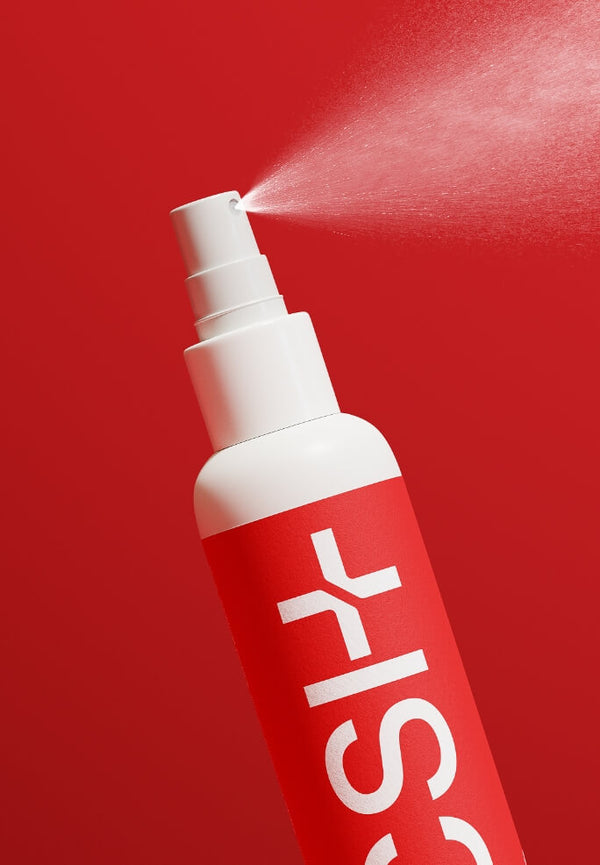
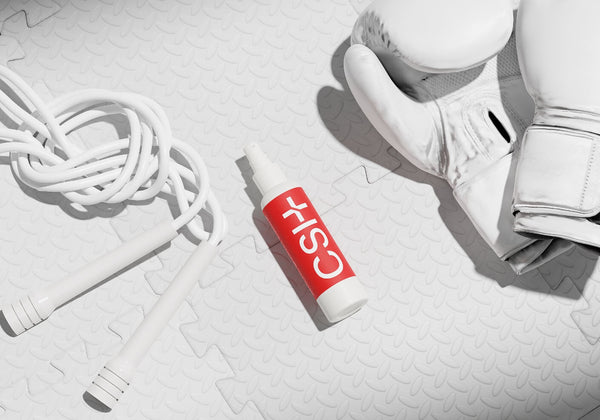
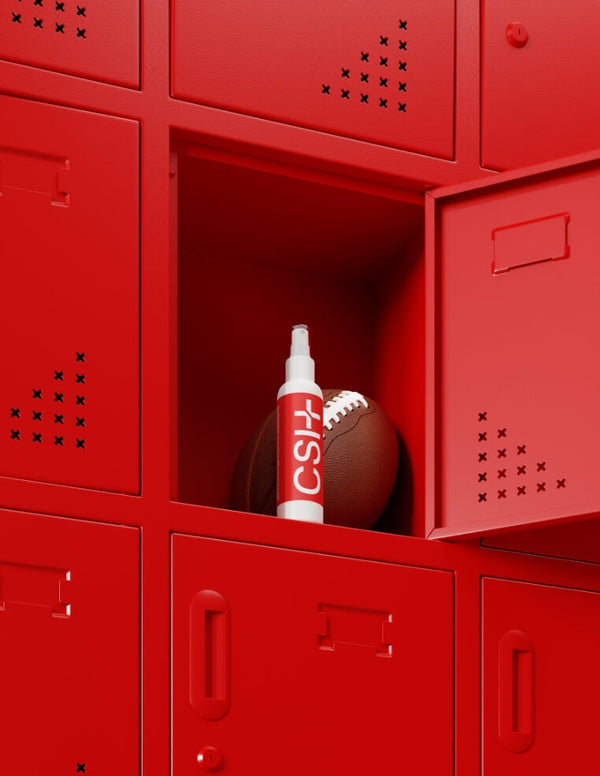
You can assemble the list above from three shops and a pharmacy, or you can buy it done: the CSH Personal First Aid Kit packs the full loadout — hydrocolloids, washproof plasters, gauze, non-adherent pads, saline, eyewash, nasal plugs, a 226g tub of petroleum jelly, cold pack, microporous tape, gloves and proper 6" Tuff Cut shears — into a water-resistant ripstop case built to live in a gear bag next to a damp gi. It was put together for grapplers and contact athletes specifically, which is why there is no triangular bandage and there are ten nasal plugs.

One kit or two?
The gear bag kit covers training. The question is what covers everything else: the car boot on away days, the coach's bag for the kids' class, the second holdall you grab when the first one is drying out. Consumables are cheap enough that duplication beats logistics — a full kit in the everyday gear bag, and either a second kit or a slim top-up pouch (tape, plasters, wipes) wherever you actually drive to matches from. Coaches and gym owners scaling this up for a whole squad will find the club-level route on the hygiene partners page.
The competition-day top-up
Tournament days burn supplies at three times the training rate, with a medical-table queue at the venue as your only backup. The night before, top up the fast movers: double the finger tape, extra hydrocolloids and washproof plasters, a spare cold pack if you run warm brackets, and nail clippers where you can find them (the referee's skin-and-nails check is not a negotiation — see the IBJJF skin rules guide). Pack the kit at the top of the bag rather than under two gis; between-matches maintenance only happens if it takes less than a minute to start.
Keeping it stocked (the part everyone skips)
A first aid kit is a consumable, not an ornament. After every use, replace what you used that week — tape and hydrocolloids go fastest. Before every competition, do a thirty-second audit: tape, plasters, cold pack, plugs. Competition days burn supplies at triple rate and the venue queue is long (the competition day checklist covers the between-matches routine). And keep the kit itself clean — it lives in the same bag as your training kit, and gym bag hygiene is its own discipline.
Twice a year, run the deeper audit: sterile items carry expiry dates (saline, wipes, dressings), adhesives lose their stick in a hot car, and a cold pack that has been crushed at the bottom of a bag may already have spent itself. Ten minutes in January and July keeps the kit honest — and if that audit reveals a sun-bleached pouch of mysteries, replace the lot rather than gambling on sterility.
The bottom line
Every item above exists because of an injury that happens weekly on mats across the country. Carry the kit, use it early, and the small stuff stays small. Ensure your gear bag is match-ready with the CSH Personal First Aid Kit for BJJ, MMA and contact sports — first aid for rolling sessions, sorted once.
This article is general information about first aid supplies for minor training injuries and is not a substitute for professional medical assessment or treatment. For serious injuries, deep wounds, suspected concussion or anything that concerns you, call 999 in an emergency or NHS 111 for urgent advice.