How to Treat "Gi Burn" (Friction Burns from Jiu Jitsu)
Educational information only – read the full notice
You survive a round of collar chokes, walk to the mirror, and there it is: a raw red stripe across the side of your neck. That's gi burn — a friction burn from stiff woven cotton dragging across skin under pressure. It stings in the shower, it stings when your collar rubs it at work, and if you ignore it, it can crack, weep, and pick up an infection.

The good news: gi burn is one of the most manageable injuries in jiu-jitsu. Handle it right in the first ten minutes after class and most cases settle down in a few days.
What Makes Gi Burn Different From Mat Burn
Mat burn comes from sliding skin across a flat vinyl surface. Gi burn is a different animal: the lapel of a heavyweight gi is a thick, stiff, folded edge of woven cotton, and during a cross-collar choke or a grip-fighting exchange it works like a dull saw against the thin skin of the neck and jaw.
Three things make the collar so abrasive:
- Edge pressure. All the force of a choke or a collar drag concentrates along a narrow band of fabric, not a broad surface.
- Weave texture. Pearl and gold weaves are built to resist grips, which means a coarse, high-friction surface.
- Repetition. A single hard choke rarely does it. Fifty grip exchanges in one class, each sawing the same strip of skin, will.
Neck and facial skin is thinner than the skin on your knees or elbows, so it abrades faster and shows every mark. That's why a night of lapel work can leave you looking like you lost a fight with a rope.
How to Treat Gi Burn Right After Training
Treat gi burn like any minor friction burn: cool it, clean it, and leave it alone. WebMD's guidance on friction burns follows the same logic — these are part abrasion, part heat injury, and both parts respond to prompt, gentle care.
- Rinse with cool running water. Do this as soon as you can after rolling — a few minutes under cool (not icy) water takes the heat out of the skin and flushes away mat grime and sweat. If the skin is broken, cool water or sterile saline is the standard.
- Cleanse gently. Wash the area with a mild cleanser and your fingertips. No loofahs, no washcloths, no scrubbing — you'll reopen what the lapel started.
- Pat dry. Use a clean towel and pat, don't rub. Assign that towel to you only; shared towels are how training-room skin problems make the rounds.
- Assess the damage. Red and intact skin can be left uncovered. Broken or weeping skin gets standard first aid: clean it, apply a thin layer of plain petroleum jelly if you like, and cover it with a non-stick dressing.
- Keep it clean while it heals. Change dressings daily and after every training session. Rinse the area again after each roll until the skin has fully closed.
Do not train with an open, uncovered burn on your neck. Mats, gis, and training partners are not sterile. If you must train, cover the area completely and clean it again the moment class ends.
What to Skip
- Harsh antiseptics on raw skin. Alcohol and hydrogen peroxide sting badly and can slow the skin's recovery. Water or saline does the cleaning job.
- Picking at scabs. Every scab you peel restarts the clock and raises the odds of a mark that outlasts the memory of the choke.
- Heavy, occlusive gym bags of product. Thick ointments trap sweat and grime against the burn during training. Keep daytime care light; save richer barrier products for overnight.
When Gi Burn Needs a Doctor
Most gi burn is superficial and heals within a week. See a physician promptly if you notice any of the following:
- Spreading redness, warmth, or swelling around the burn
- Pus, honey-colored crusting, or an odor from the wound
- Red streaks tracking away from the area
- Fever, chills, or feeling generally unwell
- A burn that isn't clearly improving after five to seven days
Do not try to tough out a possible infection. Broken skin on a grappler lives in a high-exposure environment, and infections that get established on the neck and face deserve fast professional attention. A short course of the right treatment from a doctor beats weeks off the mats — and skin infections in a gym spread to teammates.

Aftercare for Friction-Stressed Neck and Face Skin
Once the skin is intact, your job is to keep the area clean and comfortable while it finishes recovering. This is where most grapplers go wrong: they either do nothing, or they hit tender skin with harsh products that make it angrier.
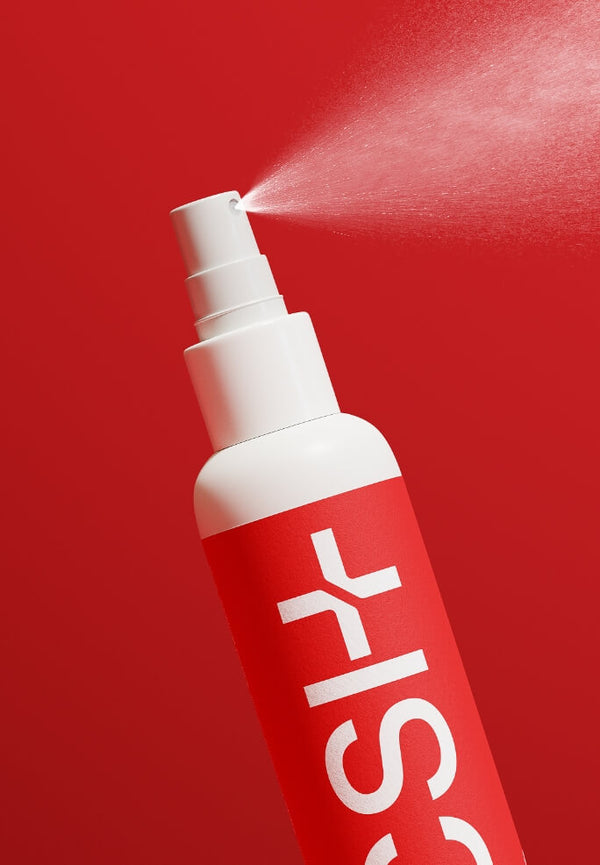
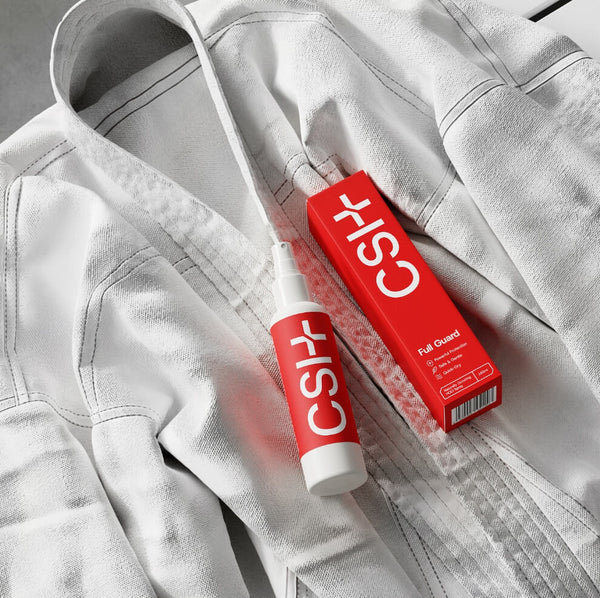
A gentle option after training is a hypochlorous acid facial mist. It's a soothing, non-stinging way to cleanse and refresh friction-stressed skin on the face and neck right after you roll — no scrubbing, no burn, no residue. We've covered how an HOCl mist fits into post-workout face hygiene in detail, and our Full Guard hypochlorous acid spray is built exactly for that after-training rinse-and-refresh step.
To be clear on where it fits: an HOCl mist is a cleansing step for intact, friction-stressed skin. It is not wound care. Broken or weeping skin follows the first-aid steps above — water or saline, clean dressing, doctor if it looks infected.
Overnight, a bland moisturizer or plain petroleum jelly on the healed-over area supports the skin barrier and cuts down on the tight, cracked feeling that makes the next day's collar grips miserable.
Your Gi Is Half the Problem: The Fabric-Care Connection
Here's the part most treatment guides miss: how you wash your gi changes how much it burns your partners — and you.
A gi that goes into the dryer hot, or gets washed in too much detergent, comes out stiffer and more abrasive than it needs to be. Detergent that doesn't rinse out fully leaves a residue caked in the weave; that residue stiffens the fabric and sits against sweaty skin for the whole class. Textile-care bodies like AATCC exist precisely because wash chemistry, water temperature, and drying method measurably change how a fabric behaves — and a collar is no exception.
Practical fixes:
- Use less detergent than you think. Half the usual dose cleans a gi fine and rinses out more completely. An extra rinse cycle helps heavy weaves.
- Think twice about fabric softener. It makes the cotton feel softer, but it coats the fibers — that coating can trap odor and reduce how well the fabric handles sweat. If you use it, use it sparingly and rinse well.
- Hang dry. High dryer heat shrinks and stiffens cotton lapels. Air-dried gis stay more pliable and drag less against skin.
- Wash after every session, always. A dirty gi is both more abrasive and a hygiene hazard for every neck it touches.
Our full guide on how to wash a BJJ gi walks through the routine step by step, including residue problems and softener trade-offs.
Keeping Gi Burn Off Your Neck in the First Place
You can't grip-fight your way through a career without some collar contact, but you can lower the toll:
- Break grips early. The longer a collar grip stays attached, the longer that lapel saws the same strip of skin.
- Tuck your chin and turn into chokes during drilling so the lapel meets muscle, not the soft skin under your jaw.
- Rash guard under the gi. It won't cover your neck, but it stops the lapel from dragging across your chest and shoulders on the way there.
- Rinse and cleanse your neck and face immediately after class, every class, so minor friction stress never gets the chance to compound.
Gi burn is a tax on playing the collar game. Pay it in cool water, gentle cleansing, and a properly washed gi, and it stays a minor annoyance instead of a week off the mats.
Disclaimer: The information provided is for educational purposes and does not substitute professional medical advice. Always consult a physician for severe or worsening skin conditions.
Before your next session
Sort the kit tonight, not after the sore shows up
Every guide on this site ends the same way: sweat off fast, broken skin covered, gear dry, towel your own. That takes kit you carry, not kit you mean to buy. If any of these six is missing from your bag, this is the one to fix before you train again.
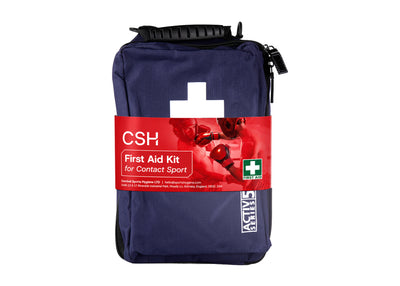
CSH Personal First Aid Kit
Washproof and hydrocolloid plasters, saline wipes and tape, in your bag
£26.99
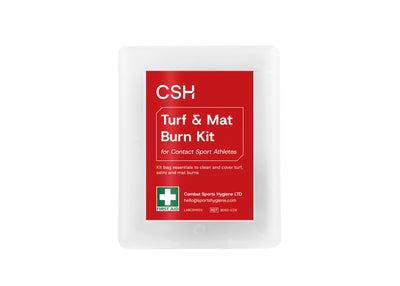
The Ultimate Mat & Turf Burn Treatment Kit
Built for the grazes that let infection in
£14.89
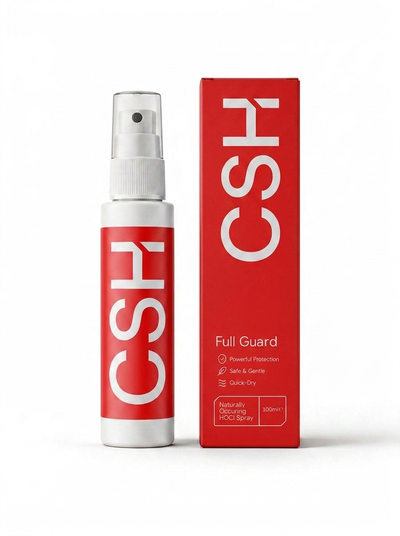
Full Guard V2
Rinse-free skin cleansing for the gap between training and the shower
£16.49
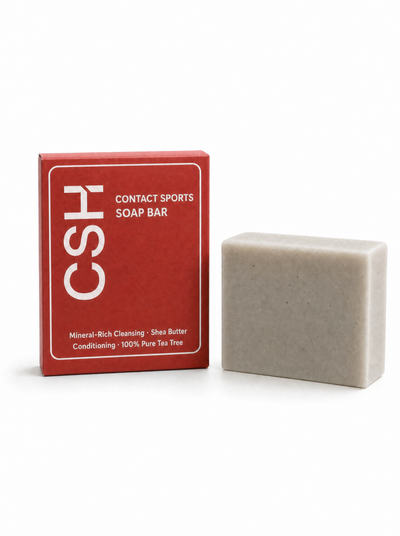
Athlete Soap Bar
The post-training shower, done properly
£8.49
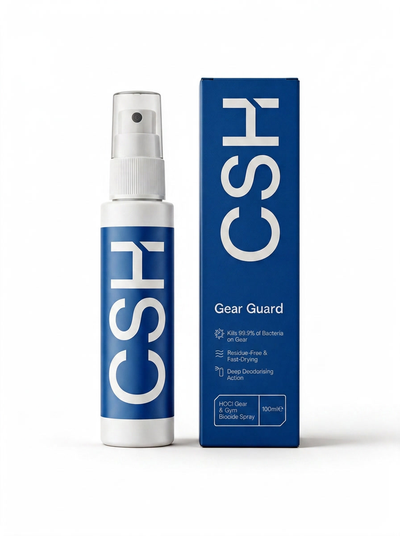
Gear Guard
For headgear, gloves, pads and the bag itself
£16.49
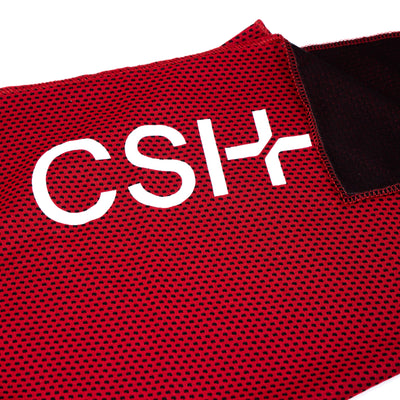
Moisture Wicking Sports Towel
Your own, washed after every session
£3.99
Get the full kit → See everything in the wrestling and grappling hygiene kit
Full Guard and the soap bars are cosmetics for cleansing the skin. First aid kits are CE/UKCA marked wound-care items, not medicines. Gear Guard is an equipment cleaner; use biocides safely and read the label. Nothing here prevents or treats a skin infection: if you think you have one, see a pharmacist or GP.