How to Get the Mud and Smell Out of Rugby Jerseys: The Complete Guide
Educational information only – read the full notice
Rugby kit smells the way it does because synthetic fibres trap bacterial waste inside the weave - not on the surface. That means standard washing at the wrong temperature, or with the wrong detergent, leaves the smell behind no matter how many times you run the machine. Here is the complete sequence for getting rugby jerseys genuinely clean: mud, blood stains, and the embedded bacterial odour that most players assume is just "how kit smells after a while." It is not inevitable. You are just washing it wrong.
Why Rugby Kit Smells So Bad (And Why Washing Doesn't Always Fix It)
Modern rugby jerseys are predominantly polyester with an elastane blend - chosen for stretch, durability, and moisture wicking. The problem is that polyester is hydrophobic. It repels water, which is great for keeping you dry on the pitch, but it also means sweat does not wash out the same way it does from a cotton shirt. Instead, the fatty acids and protein compounds in sweat bind to the hydrophobic fibres through a process called adsorption. The bacteria that feed on those compounds - primarily Micrococcus and Staphylococcus species - form a biofilm inside the fabric weave.
That biofilm is the source of the smell. The bacteria produce volatile sulphur compounds (VSCs) as a metabolic byproduct, and those are what hit you when you open a kit bag. Washing at low temperatures with standard detergent reduces the surface bacteria, but the biofilm deeper in the fabric survives. After a season, many jerseys carry a permanent background odour that no single wash fully removes.
Step One: Handle the Mud Before It Dries
Dried mud sets into technical fabric and becomes much harder to shift without scrubbing - and scrubbing degrades the fibres over time. After a match, shake off the loose mud as soon as possible and rinse the worst patches under cold running water. Do not put a mud-caked jersey straight into a plastic kit bag and leave it until the weekend. You will multiply your laundry problem significantly.
If you cannot rinse immediately, lay the kit out flat to dry rather than sealing it in a bag. Damp kit in an enclosed space is where bacteria multiply fastest and where that VSC smell really sets in. A jersey that dries out in the car on the way home is easier to deal with than one that has been sealed in a damp bag for 48 hours.
Step Two: Cold Pre-Soak for Blood Stains
This is the step most people get wrong. If there is a blood stain on the kit, use cold water - not hot. Blood is a protein, and heat sets protein stains permanently into fabric. A hot rinse turns a rinseable blood stain into a permanent one. Cold water allows the protein to stay soluble so it can be flushed out.
For stubborn blood, a short cold soak with a small amount of enzyme-based detergent (more on that below) is enough to break down the protein before the main wash. Do not scrub. Press a cloth against the stain and rinse through.
The Correct Wash: 40°C, Inside-Out, Enzyme Detergent, No Softener
The optimal wash for rugby kit covers four non-negotiable points:
- Temperature: 40°C. Hot enough to activate enzyme detergents and reduce bacterial load; cool enough that it will not shrink elastane or degrade the technical fabric coating. Do not wash at 60°C - it will ruin the fit after a handful of washes.
- Inside-out. The odour-causing biofilm accumulates on the inside of the jersey - the side in contact with your skin. Turning the jersey inside-out exposes that surface to the detergent and water directly, rather than having the wash solution reach it indirectly through the outer fabric.
- Enzyme-based detergent. Enzymes (proteases, lipases) break down the organic compounds - proteins from sweat and blood, fatty acids - that bind to polyester fibres. Standard detergents clean surface dirt; enzyme detergents attack the biofilm. Look for "bio" or "enzyme" on the label. If anyone in the household has sensitive skin, opt for a sensitive-skin enzyme formula rather than skipping enzymes entirely.
- No fabric softener. Fabric softener works by coating fibres with a waxy lubricant. On technical sports fabric, this coating traps additional sweat compounds on subsequent wears, accelerating the odour cycle. It also reduces moisture-wicking performance. Leave it out entirely for kit.
The Vinegar Pre-Soak for Stubborn Smell
For jerseys that have been washed repeatedly but still carry background odour, a white wine vinegar pre-soak before the main wash is the most effective home remedy available. Add 250-300ml of white wine vinegar to a basin of cold water and soak the inside-out jersey for 30 minutes before putting it in the machine.
Vinegar is a mild acid (acetic acid). It disrupts the bacterial VSC compounds responsible for the smell and helps loosen the biofilm from the fabric weave. It does not damage technical fabrics at this concentration and it does not leave a lasting vinegar smell - that rinses out in the machine. This works. It is also cheap.
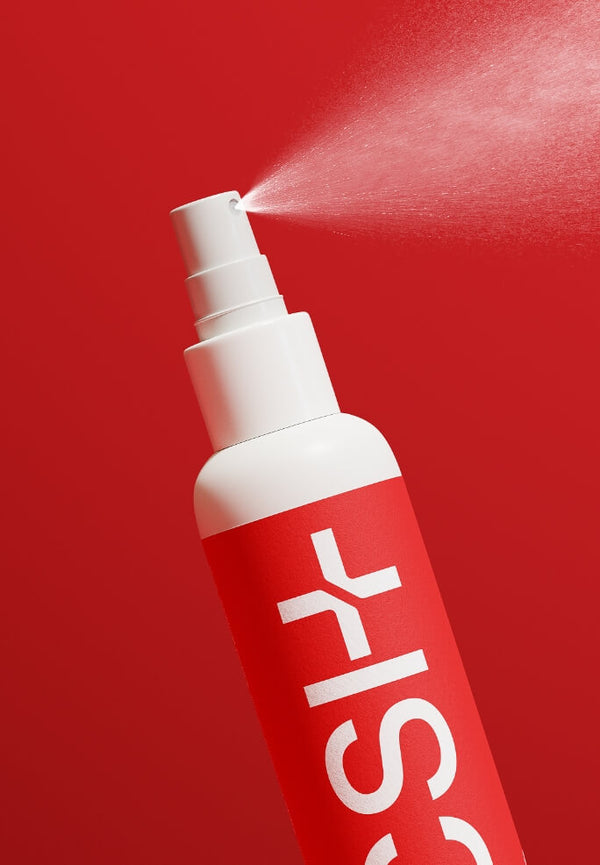
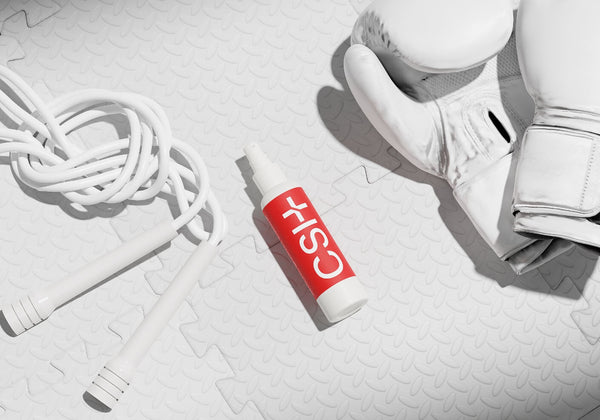
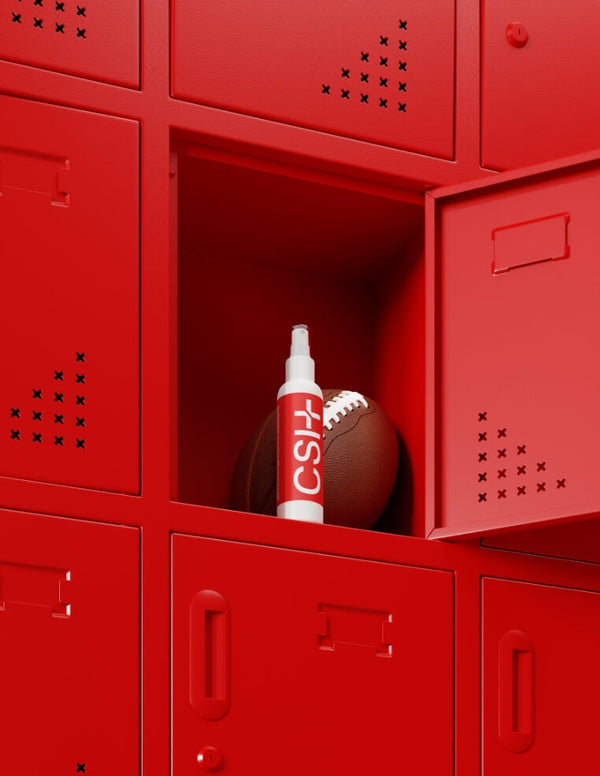
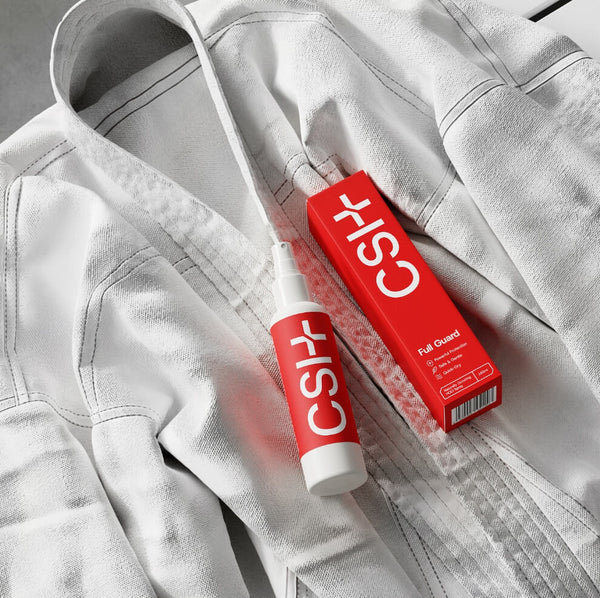
For post-training personal hygiene before you get to the laundry stage, keeping a bottle of Full Guard HOCl Spray in your kit bag is useful - it is a registered cosmetic spray containing 200ppm of 95% pure hypochlorous acid, formulated at a pH of 5.5-6.5, and it is designed for skin cleansing after training. It is not a laundry product, but using it on skin before you change means less bacterial transfer onto the kit in the first place.
Drying: Air Dry Every Time
Tumble drying at high heat degrades the technical fabric of rugby jerseys. The elastane fibres lose their elasticity, the moisture-wicking properties break down, and repeated heat drying shrinks the fit. Air dry on a rack, ideally outdoors or in a well-ventilated room. Never store a jersey before it is completely dry - damp fabric in a kit bag or drawer will restart the bacterial cycle and undo the wash.
If you are dealing with kit that will not fully dry before the next training session (common in winter), a quick mid-cycle tumble at a low heat setting to finish the drying is acceptable, but high heat for a full cycle is not.
Related Guides
- Why Cold Water Washing Fails to Kill Sports Bacteria (And How to Fix It)
- The Ultimate Rugby Kit Bag Hygiene Checklist
- How to Get the Smell Out of Rugby Boots
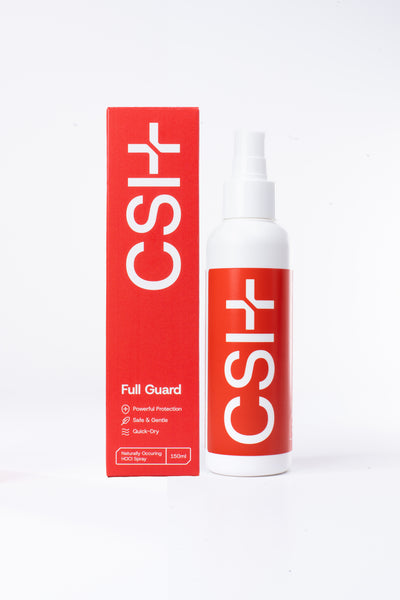
The other half of clean
Full Guard HOCl Spray
Soap is the shower. Full Guard is everything in between. For the highest-contact sports on earth, a rinse-free skin cleanse for the car, the corner and the kit bag is as essential as the bar itself.
- 200ppm of 95% pure hypochlorous acid, a registered cosmetic spray
- Rinse-free and skin-friendly at pH 5.5 to 6.5, dries in about 60 seconds
- Freshens the skin surface when a proper shower is not an option
- Pairs with the Athlete Soap Bar for the complete routine
 Order Full Guard · £16.49
Full Guard is a cosmetic skin cleansing spray registered under the UK Cosmetic Products Regulation. It is not intended to treat, cure, prevent or diagnose any skin condition. For any active skin concern, consult a GP, dermatologist or pharmacist.
Rugby Hygiene Hub
The kit, the guides and the routines that keep rugby athletes clean and training, all in one place. Explore the Rugby hygiene hub →
Before your next session
Sort the kit tonight, not after the sore shows up
Every guide on this site ends the same way: sweat off fast, broken skin covered, gear dry, towel your own. That takes kit you carry, not kit you mean to buy. If any of these six is missing from your bag, this is the one to fix before you train again.
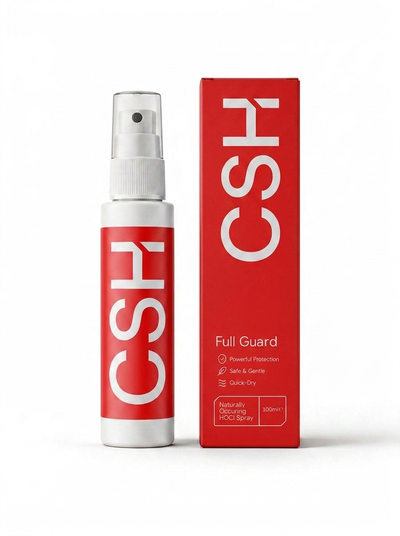
Full Guard V2
Rinse-free skin cleansing for the gap between training and the shower
£16.49
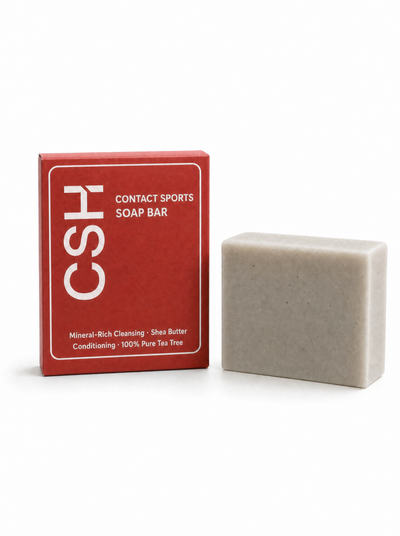
Athlete Soap Bar
The post-training shower, done properly
£8.49
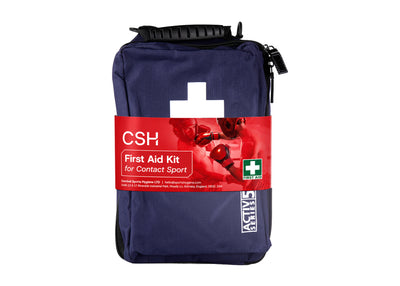
CSH Personal First Aid Kit
Washproof and hydrocolloid plasters, saline wipes and tape, in your bag
£26.99
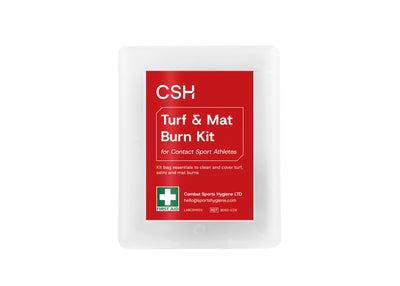
The Ultimate Mat & Turf Burn Treatment Kit
Built for the grazes that let infection in
£14.89
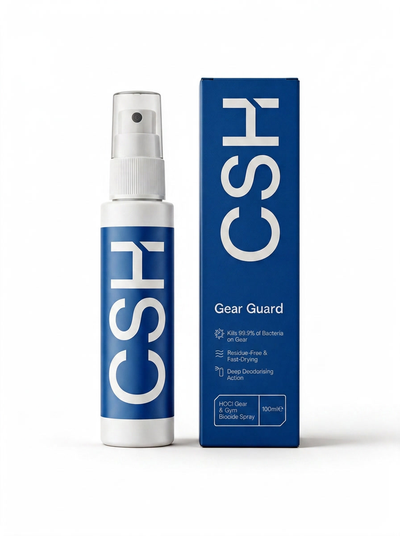
Gear Guard
For headgear, gloves, pads and the bag itself
£16.49
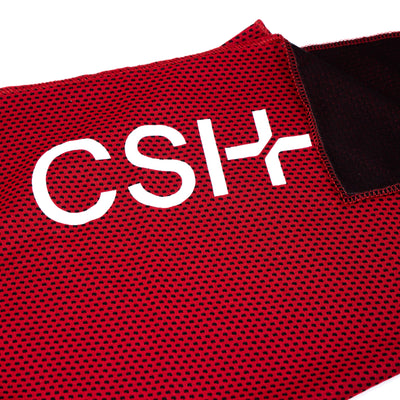
Moisture Wicking Sports Towel
Your own, washed after every session
£3.99
Get the full kit → See everything in the rugby hygiene and first aid collection
Full Guard and the soap bars are cosmetics for cleansing the skin. First aid kits are CE/UKCA marked wound-care items, not medicines. Gear Guard is an equipment cleaner; use biocides safely and read the label. Nothing here prevents or treats a skin infection: if you think you have one, see a pharmacist or GP.