Treating Scrapes and Open Cuts on the Mat
Educational information only – read the full notice
Someone shoots for a collar grip, an unclipped nail rakes across your forearm, and now you're bleeding on the mat. It happens in every gym, every week.

What you do in the next five minutes matters more than most people realize. A scratch that gets cleaned and covered properly is a non-event. One that gets ignored, wiped on a shared towel, and rolled on for another hour is how staph infections start.
Here is the exact protocol, plus the two old-school habits you need to drop.
Why a Small Scratch Is a Real Problem in BJJ
Mats carry whatever the last hundred people brought in on their skin: Staphylococcus aureus, ringworm spores, sweat, and everything in between. Intact skin handles that traffic fine. Broken skin does not.
Even a shallow fingernail scratch breaches your best barrier. From that moment, two things are true at once:
- You are exposed. Bacteria and fungal spores on the mat, your gi, and your partner now have a direct route in.
- You are a hazard. Your blood and broken skin put every training partner at risk, which is why blood on the mat stops a round in any well-run gym.
The Mat-Side Protocol for Cuts and Scrapes
This takes five minutes. Do it in order, every time, no matter how minor the cut looks.
1. Stop the roll
Tap out of the position and get off the mat. Finishing the round with an open cut is not tough, it just spreads blood and doubles your infection exposure. If you bled on the mat, tell your coach so it gets disinfected before anyone rolls over it.
2. Rinse with clean water or sterile saline
Irrigation is the single most important step, and the only things that belong in the wound are clean running water or sterile saline. Rinse for a solid minute or two to flush out mat debris, sweat, and bacteria. A saline pod from a first-aid kit is ideal mat-side; a tap and clean hands work fine too.
3. Control bleeding with direct pressure
Press a clean gauze pad or dressing firmly over the cut and hold it there. Most mat scrapes stop bleeding within a few minutes of steady pressure. Don't keep lifting the pad to check — that restarts the clock.
4. Cover it with a dressing that survives training
A standard adhesive bandage peels off in seconds under a sweaty gi sleeve. If you're going back on the mat — and honestly, with a fresh open cut you shouldn't — you need a proper occlusive dressing secured with athletic tape, or a tape-wrapped gauze pad that stays put through grips and friction.
The rule most gyms and competitions run on is simple: no exposed blood or open wounds on the mat. If you can't keep it sealed, your session is done.
5. Monitor it for 48 hours
Most mat scrapes heal without drama. Check the cut morning and night for the first two days and watch for:
- Spreading redness or red streaks running from the wound
- Increasing pain, swelling, or heat instead of steady improvement
- Pus or cloudy drainage
- Fever, chills, or feeling generally unwell
Any of these signs means you see a doctor promptly — not tomorrow after training, now. Staph and strep skin infections escalate fast, and early treatment is straightforward while late treatment is not.
Why Hydrogen Peroxide and Alcohol Are Off the List
The brown bottle of peroxide fizzing on a cut used to be the standard. It's outdated, and worth understanding why.
Hydrogen peroxide and neat rubbing alcohol don't discriminate: along with germs, they damage the healthy skin cells and new tissue your body needs to close the wound. The Cleveland Clinic advises against peroxide on wounds for exactly this reason — it can irritate the tissue and slow healing rather than help it.
Both also sting badly, which encourages a quick splash instead of the thorough flush a mat wound actually needs. Water or sterile saline cleans the wound without burning the tissue that has to rebuild. The wound care guidance from Johns Hopkins Medicine follows the same principle: gentle cleansing, appropriate dressing, and monitoring — not harsh antiseptics poured into broken skin.

Where a Skin Spray Fits — and Where It Doesn't
Let's be precise here, because this is where marketing often gets ahead of the facts.
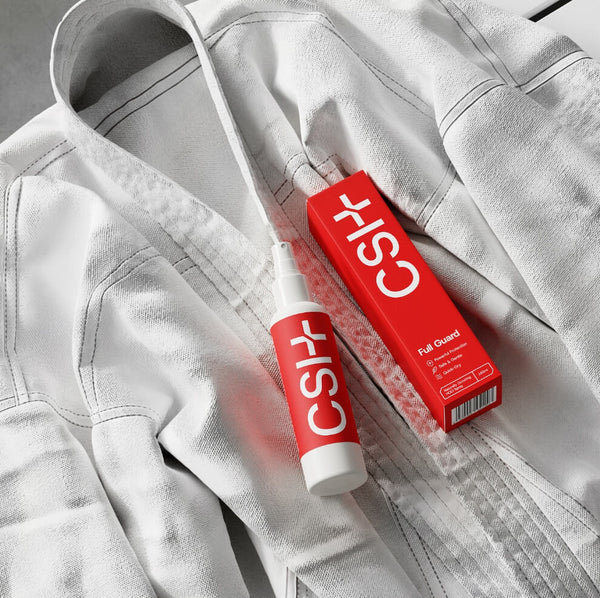
A cosmetic skin spray like Full Guard hypochlorous acid spray is not a wound product. It does not go in an open cut, and it is not a substitute for water or saline irrigation. Nothing cosmetic is.
Where it earns its place is on intact skin:
- Around a covered wound. Once the cut is rinsed, dressed, and sealed, spraying the intact skin around the dressing helps cleanse away the sweat and mat grime that builds up at the edges during the rest of your day.
- Post-training hygiene. A full-body spray-down of intact skin after class, before you can get to a shower, washes away the residue a roll leaves behind and keeps your skin feeling refreshed and protected.
Hypochlorous acid is skin-neutral and doesn't sting, which is why it works for this everyday cleansing role. If you want the full background on what it is and how it's made, our HOCl spray guide covers it.
Prevention: The Nail-Check Habit
Almost every mat scratch traces back to the same cause: nails that should have been clipped two weeks ago.
The IBJJF checks competitors' nails and skin before they step on the mat, and referees will send you off to clip them. That's not bureaucracy — it's the cheapest injury prevention in the sport. Bring the same standard to your gym:
- Clip fingernails and toenails short before every training week, filed smooth so there's no snag edge.
- Check your own skin before class. Anything open, weeping, or suspicious gets covered or keeps you home.
- Say something. If a partner's nails are raking you, tell them. Every gym has clippers in the front desk drawer for a reason.
A team that normalizes nail checks and skin checks has fewer cuts, fewer infections, and fewer weeks of forced time off.
The Short Version
Stop the roll. Rinse with clean water or sterile saline — nothing else goes in the wound. Pressure until the bleeding stops. Cover with a dressing that actually survives a gi. Watch it for 48 hours, and see a doctor at the first sign of infection.
Skip the peroxide, keep your nails short, and save the skin spray for the intact skin around the dressing and your post-training clean-up. For the rest of the protocol — mat burn, ringworm, impetigo, and when to sit out — start with our full BJJ and MMA first-aid guide.
Disclaimer: The information provided is for educational purposes and does not substitute professional medical advice. Always consult a physician for severe or worsening skin conditions.
Before your next session
Sort the kit tonight, not after the sore shows up
Every guide on this site ends the same way: sweat off fast, broken skin covered, gear dry, towel your own. That takes kit you carry, not kit you mean to buy. If any of these six is missing from your bag, this is the one to fix before you train again.
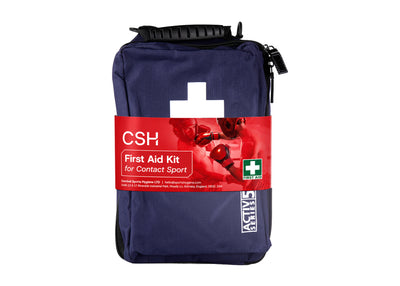
CSH Personal First Aid Kit
Washproof and hydrocolloid plasters, saline wipes and tape, in your bag
£26.99
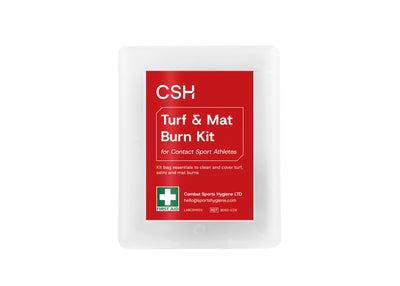
The Ultimate Mat & Turf Burn Treatment Kit
Built for the grazes that let infection in
£14.89
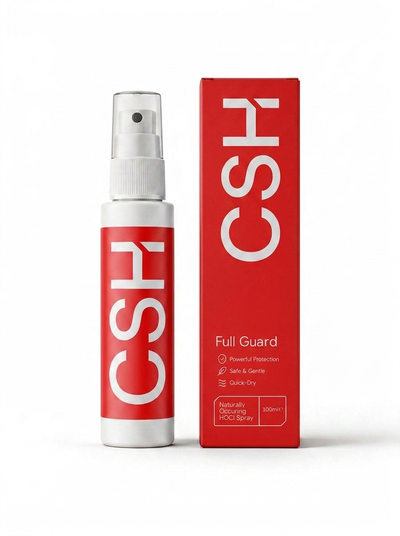
Full Guard V2
Rinse-free skin cleansing for the gap between training and the shower
£16.49
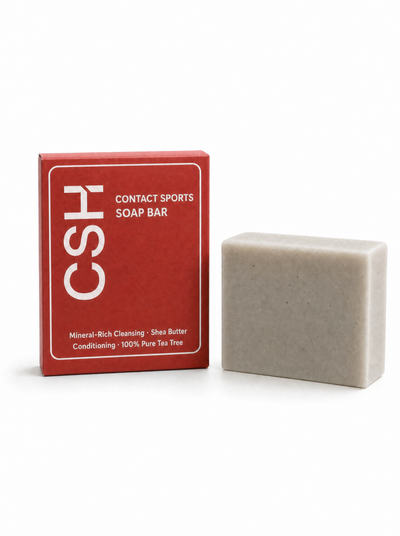
Athlete Soap Bar
The post-training shower, done properly
£8.49
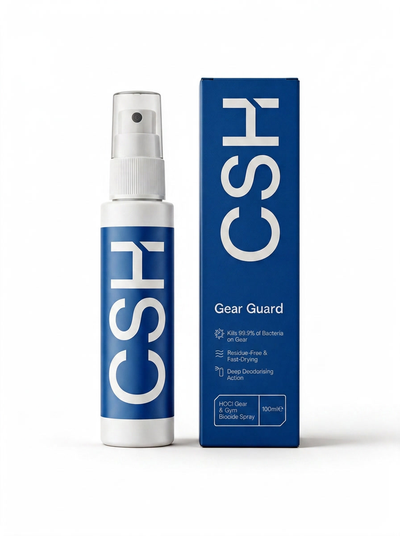
Gear Guard
For headgear, gloves, pads and the bag itself
£16.49
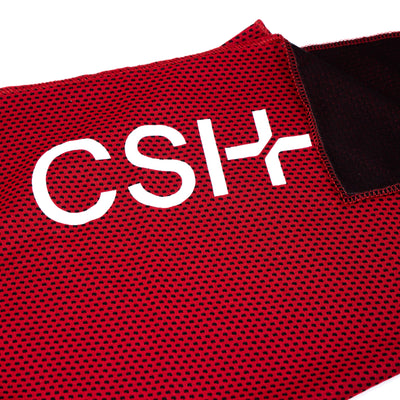
Moisture Wicking Sports Towel
Your own, washed after every session
£3.99
Get the full kit → See everything in the wrestling and grappling hygiene kit
Full Guard and the soap bars are cosmetics for cleansing the skin. First aid kits are CE/UKCA marked wound-care items, not medicines. Gear Guard is an equipment cleaner; use biocides safely and read the label. Nothing here prevents or treats a skin infection: if you think you have one, see a pharmacist or GP.