How to Clean Makeup Brushes with Hypochlorous Acid Spray
Educational information only – read the full notice
How to Clean Makeup Brushes Using Hypochlorous Spray
Spraying makeup brushes lightly with HOCl, leaving for 30 seconds, then wiping on a clean tissue is a quick between-use surface hygiene step that removes fresh product residue and surface impurities without the drying time of a full soap clean. It is not a replacement for weekly deep cleaning, but used daily it keeps brushes in better condition between washes and reduces the buildup of oils and dead skin cells that accumulates with every use.
 Full Guard HOCl Spray
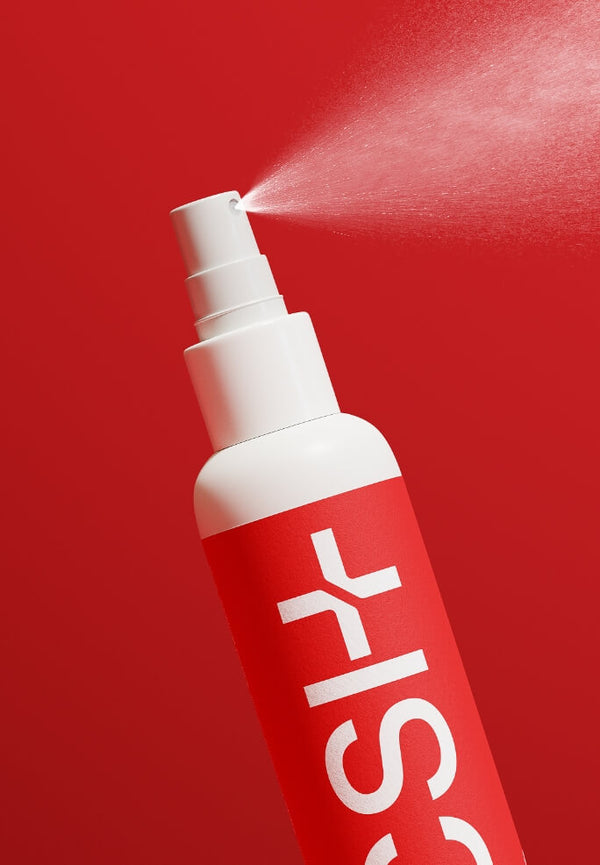
200ppm stabilised hypochlorous acid at pH 5.5 to 6.5. No fragrance, no alcohol. Gentle on natural and synthetic brush fibres.
Shop Full Guard HOCl Spray
What Builds Up in Makeup Brushes Between Cleans
Makeup brushes are used repeatedly against skin that produces sebum, sheds dead cells, and accumulates surface impurities throughout the day. Each application of a brush picks up not just the product being applied but also whatever is on the skin surface at that moment. That mixture of foundation pigment, facial oil, dead skin cells, and surface residue gets pushed into the base of the bristles where it compacts over time.
In a beauty blender or sponge, the same process happens but with more volume: the porous structure of a damp sponge draws in makeup and skin residue with every press and bounce, and the moisture trapped inside makes it a particularly hospitable environment for surface impurities to accumulate.
The visible result of neglected brush hygiene is well known: colour contamination between products, patchy application, bristles that feel stiff or scratchy rather than soft, and a gradual decline in blending performance. The less visible result is that every time you use an uncleaned brush, you are applying yesterday's skin residue back to your face alongside fresh product.
A weekly deep clean with mild soap and water removes the compacted buildup from the base of the bristles. A daily between-use surface hygiene step with Full Guard removes fresh residue from the bristle tips before it has time to migrate deeper into the brush. Both are useful. Neither replaces the other.
Why HOCl Stability Matters for Tool Hygiene
Hypochlorous acid is inherently unstable. Without careful manufacturing, the molecule degrades to saltwater, and the product becomes inert. This degradation is accelerated by heat, UV exposure, and pH drift outside the stable window. A product that has degraded is not providing any surface hygiene benefit: it is essentially misting your brushes with water.
Full Guard uses pharmaceutical-grade stabilisation to maintain the HOCl molecule active at pH 5.5 to 6.5 throughout its shelf life. This means the bottle on your dressing table is still performing the same function it did on day one, provided it is stored away from direct heat and sunlight, which is standard practice for any skincare product. The 200ppm concentration and stated pH are the markers of a product where manufacturing quality has been maintained, not just at production but through to use.
The Between-Use Brush Hygiene Method
This method takes under two minutes and can be done at your dressing table or vanity without needing a sink.
What you need: Full Guard HOCl Spray, a clean tissue or folded paper towel, and your brushes or sponges.
Method for brushes:
- Hold the brush bristles facing downward or at a slight angle. This keeps moisture from running into the ferrule (the metal band where bristles meet handle), which can loosen the glue over time with repeated wetting.
- Spray the bristles lightly with Full Guard from a distance of about 15 cm. You want the bristles damp, not saturated. Two to three pumps is usually sufficient for a standard foundation or blush brush.
- Leave for approximately 30 seconds. This is the surface hygiene dwell time: the HOCl is working across the bristle surface during this pause.
- Wipe the bristles gently across a clean tissue or paper towel in a sweeping motion. You will see the residue transfer to the tissue. Repeat on a fresh section of the tissue if needed until the tissue comes away clean.
- Reshape the bristles gently with your fingers and lay the brush flat or hang it bristle-down to air-dry. Natural fibre brushes benefit from reshaping while damp. Synthetic brushes are more forgiving but benefit from the same care.
Method for beauty blenders and sponges:
- Spray the surface of the sponge lightly with Full Guard on all sides.
- Leave for 30 seconds.
- Press and wipe the sponge gently against a clean tissue to remove surface residue. The porous surface of a beauty blender means full residue removal requires more pressure than a brush wipe.
- Allow to air-dry completely before storing. Never store a damp sponge in a closed case or bag, as this traps moisture and encourages residue buildup.
What This Step Does and Does Not Do
Being clear about the scope of between-use surface hygiene helps set the right expectations and ensures the method is used appropriately alongside a proper weekly deep clean.
What the HOCl between-use step does: removes fresh product residue and surface impurities from bristle tips and sponge surfaces. Keeps brushes performing better between deep cleans. Reduces the transfer of surface residue back onto the skin during makeup application. Extends the feel and performance of brushes between weekly washes by preventing fresh residue from compacting into the bristle base.
What it does not do: remove compacted pigment from the base of bristles that has built up over multiple uses. Fully substitute for the mechanical action of soap, water, and rinsing that a deep clean provides. Reshape or condition bristles the way proper brush care routines can.
The weekly soap clean remains essential. Full Guard is the daily habit that keeps brushes in better condition between those weekly cleans, reducing how much work each deep clean needs to do.
Integrating This Into Your Makeup Routine: Step by Step
The between-use spray fits naturally at the end of your makeup application, as a close-out hygiene step, rather than before you start.
Step 1: Complete your makeup application with your brushes and sponges as normal.
Step 2: Once finished, mist each brush lightly with Full Guard, allow 30 seconds, and wipe on a clean tissue. Do this for every brush used in that session, not just the ones that look visibly loaded. Eyeshadow brushes, liner brushes, and setting powder brushes all accumulate surface residue that is not always visible but is present.
Step 3: Reshape bristles and lay flat or hang to dry. Brushes stored damp in a cup or standing upright allow moisture to run toward the ferrule. Flat or bristle-down storage protects the brush structure.
Step 4: On your weekly deep clean day, wash all brushes with a gentle brush shampoo or baby shampoo, rinse thoroughly, reshape, and dry flat. The between-use HOCl step will mean each deep clean starts with less accumulated buildup, making the process faster and the results cleaner.
Brush Material Compatibility
Full Guard's formula is gentle on both natural hair brushes (typically made from goat, squirrel, or pony hair) and synthetic fibre brushes (nylon or taklon). At pH 5.5 to 6.5 and with no alcohol or harsh surfactants, it does not strip natural fibres or damage synthetic ones the way alcohol-based brush cleansers can.
Alcohol-based brush sprays and quick-dry cleansers are common in professional makeup settings because they dry fast and are effective at cutting through heavy product buildup. The trade-off is that repeated use of alcohol-based products can cause natural bristles to dry out and become brittle over time. Full Guard's water-based, alcohol-free formula is gentler on brush fibres with daily use, which makes it more suitable as an everyday between-use step rather than a heavy-duty professional set clean.
For beauty blenders specifically, avoid squeezing the sponge aggressively during the wipe step. Press and dab rather than wring to preserve the sponge's cellular structure.
Using HOCl for Skin Surface Hygiene Before Makeup Application
While the brush hygiene use case is primarily a between-use and post-application step, Full Guard also works as a pre-makeup skin surface prep. Misting the face before foundation and allowing to air-dry fully (60 seconds) provides a gentle surface cleanse that removes the surface oils, residue, and environmental impurities that accumulate on skin between morning cleansing and the moment you sit down to apply makeup.
A cleaner skin surface means foundation applies more evenly, sits better in the skin, and lasts longer without sliding. This is a different mechanism from a traditional primer, which creates a physical smoothing layer. Full Guard works by removing what is already on the surface rather than adding a new layer on top of it.
For a direct comparison of HOCl mist used as a skincare prep step versus a makeup setting spray, the article on HOCl face spray versus makeup setting mist covers both use cases and how they differ.
How This Supports Repeat Purchase and Daily Usage
One bottle of Full Guard covers both your skincare routine and your brush hygiene habit. Used as a face mist in morning and evening skincare routines, and as a brush hygiene step after each makeup session, a single bottle becomes a daily-use item rather than something that sits on the shelf between occasional applications.
For those who use it across the full range of use cases (post-workout surface cleansing, skincare prep, brush hygiene, travel refresh), a bottle becomes a monthly repurchase. The versatility is the point: one well-formulated HOCl spray covers several different hygiene moments in a day without requiring a separate product for each.
For the post-workout and sport-related surface cleansing application, see the article on HOCl mist for post-workout face hygiene. For blemish-prone skin specifically, the article on refreshing blemish-prone skin without drying it out is relevant given the connection between makeup brush hygiene and skin surface cleanliness.
How to refresh makeup sponges and brushes between washes
Three steps, about thirty seconds:
- Mist the brush or sponge lightly. It wants to be damp, not soaked.
- Wipe gently on a clean microfibre towel until the worst of the product lifts.
- Air dry fully before you use it again.
Be clear about what this is for. It refreshes a brush between deep cleans, for the one you used yesterday and want to pick up again today. It does not replace a proper wash with soap and water. Keep your usual deep-clean schedule and use this in the gaps.
Where Full Guard fits
Full Guard is the bottle for the brush pot as well as your face: it's fragrance-free, oil-free and leaves no residue, so there's nothing to build up on bristles or transfer to skin. Fine mist, pH-balanced, fragrance-free, alcohol-free. No sting, dries fast, leaves nothing behind. 100ml, £16.49, made in Britain. One bottle, several jobs, which is the most honest value maths in your makeup bag.
Full Guard Hypochlorous Acid Spray, 100ml
More on using hypochlorous acid in a normal skincare routine: our hypochlorous acid skincare guide.
Frequently Asked Questions
Can I use Full Guard to clean my eyelash curler and metal beauty tools?
Yes, a light spray and wipe with a clean tissue works for metal tools such as eyelash curlers, tweezers, and brow scissors. Allow to air-dry fully before use. For eyelid and lash-specific hygiene, including use around lash extensions, see the article on eyelid hygiene spray and lash extensions.
How often should I do the between-use spray step?
After every use session is ideal. If you use the same brushes every day, a daily end-of-session spray and wipe keeps them in the best condition between weekly deep cleans. If you use brushes less frequently, spray and wipe before storing after each use.
Can I spray Full Guard directly into the base of the bristles to deep clean?
No. The between-use method is designed for bristle tip surface hygiene. For compacted buildup at the base of bristles, the mechanical action of soap, water, and rinsing is required. Running liquid into the ferrule area, whether HOCl or water, risks loosening the adhesive that holds bristles in place over time.
Will HOCl spray damage coloured or painted brush handles?
At this pH and concentration, Full Guard should not damage lacquered or painted handles. As a precaution, direct the spray at the bristles rather than the handle and wipe with the tissue from bristle tip toward the ferrule rather than along the handle.
How long does a bottle last if used for brush hygiene as well as face misting?
That depends on how many brushes you use per session and how many skincare misting steps you do daily. For a typical routine (two face misting steps and three to five brushes per day), a 100ml bottle generally lasts two to four weeks. It is worth keeping a spare on hand if this becomes a daily habit, which it tends to.
New to hypochlorous acid skincare? Explore the full HOCl skincare range and the 6-month bundle.
Full Guard is a cosmetic skin cleansing spray registered under the UK Cosmetic Products Regulation. It is not intended to treat, cure, prevent or diagnose any skin condition. For any active skin concern, consult a GP, dermatologist or pharmacist.
Our HOCl mist
Full Guard Hypochlorous Acid Spray
An ultra-pure, fragrance-free HOCl mist made in the UK. Rinse-free, no alcohol and no sting, it dries in a minute or two and leaves skin feeling clean and fresh, the perfect freshen-up when a shower isn't happening yet.
- 95% pure hypochlorous acid, skin-friendly pH 5.5-6.5
- Fragrance-free and non-stripping, kind to sensitive skin
- Rinse-free, dries fast, fits any bag or desk drawer
- UK-made to ISO 22716 (GMP) standards

For females with fight
The face spray for after the gym
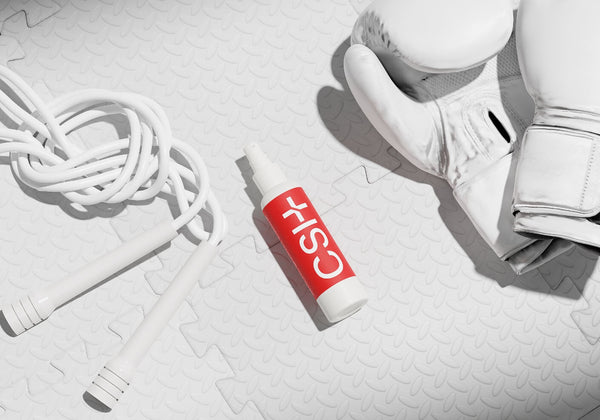
Full Guard started on the mats. A fine, fragrance-free mist that cleanses and freshens post-workout skin in seconds, with no rinse and no residue.
See the face spray · £16.49