Hypochlorous Acid vs. Salicylic Acid for Athletes
Educational information only – read the full notice
Every grappler knows the routine. Train hard, sweat through a gi, shower, and still watch the breakouts show up across your back and shoulders by Thursday. So you buy a salicylic acid wash, use it after Tuesday's session, and it lights up every mat burn and gi scrape on your body like a road flare.
That sting is the real dividing line between these two ingredients. Both have a place in an athlete's routine, but they do different jobs and behave very differently on skin that spends ten hours a week getting rubbed raw. Here's how they actually compare.
What Salicylic Acid Does
Salicylic acid is a beta-hydroxy acid (BHA), an exfoliant that's been a skincare staple for decades. It's oil-soluble, which means it can get down into pores and break up the mix of dead skin cells and sebum that clogs them.
The FDA regulates salicylic acid concentrations in over-the-counter products, and at typical cosmetic strengths (0.5–2%) it's a genuinely effective exfoliant. For athletes, that matters because sweat-soaked rash guards and gis press oil and dead skin into pores for hours at a time.
What it's good at:
- Exfoliating inside the pore, not just on the surface
- Clearing the buildup that leads to congested, bumpy skin on the back and chest
- Working over weeks as part of a consistent routine
Where it falls short for athletes:
- It can be drying, especially with daily use on large areas like the back
- It stings on broken skin — and grapplers always have broken skin
- It's an active you have to schedule around other actives like retinoids
The Sting Factor: Why Grapplers Feel It More
Here's what the ingredient labels don't tell you. Salicylic acid is an acid, and it announces itself on any compromised skin barrier. Mat burn, gi abrasions, razor irritation, turf scrapes, the raw patch where your headgear rubs — a BHA wash finds every single one.
Combat athletes carry micro-abrasions constantly. It's not an injury, it's just the texture of the sport. Ten rounds of drilling leaves your skin covered in tiny scuffs you don't even notice until something acidic touches them.
That's the practical problem: the exact moment you most want to cleanse your skin — immediately after training — is the moment your skin is least able to tolerate an acid exfoliant.
What Hypochlorous Acid Does
Hypochlorous acid (HOCl) works on a completely different principle. It's not an exfoliant and it's not an acid in the way salicylic is. Despite the name, HOCl solutions used in skincare sit near skin-neutral pH, which is why they don't sting.
HOCl is actually a molecule your own body produces — your white blood cells make it as part of your natural defenses. In a spray, it's a gentle cleansing mist that washes away sweat, grime, and buildup without stripping the skin or disturbing its barrier. There's a growing body of research on the molecule indexed on PubMed, much of it focused on how well skin tolerates it.
What it's good at:
- Cleansing and refreshing skin immediately after training, no rinse required
- Zero sting on mat burn, scrapes, and freshly shaved skin
- Daily use without the dryness or irritation that actives can cause
- Covering large areas fast — a few sprays across the back and shoulders takes seconds
What it doesn't do:
- It doesn't exfoliate — it won't clear existing pore congestion the way a BHA does
- It's not a substitute for a structured skincare routine if you have persistent breakouts
If you're new to HOCl and wondering about safety on sensitive skin, we've covered that in detail in our guide to whether hypochlorous acid is safe.

Is Hypochlorous Acid an Exfoliant?
No, and that's the key difference between the two.
| Hypochlorous acid mist | Salicylic acid | |
|---|---|---|
| What kind of ingredient | A water-based cleansing mist | A beta hydroxy acid (BHA), an exfoliant |
| What it does | Cleanses and freshens the skin surface, then dries clear | Helps loosen dead skin cells and unclog pores |
| Where it works | On the surface | Can get into oily pores, because it's oil-soluble |
| Sting on sensitive or scuffed skin | Formulated to be non-stinging | Can sting, especially on broken or freshly shaved skin |
| Rinse off? | No, just let it dry | Depends on the product: washes are rinsed, leave-ons aren't |
| Every day? | Suitable for daily use | Build up gradually, following the product directions |
What salicylic acid does, in one line: it's an exfoliating acid that helps clear the dead skin and oil that clog pores. That's why it turns up in products for blemish-prone skin.
Hypochlorous Acid vs. Salicylic Acid: Head to Head
Speed and Timing
HOCl wins the immediate post-training window. Spray it on at the edge of the mat, before you've even gotten to the shower. Salicylic acid belongs in the shower or your evening routine, on intact skin, once things have calmed down.
Sensitive and Broken Skin
No contest. HOCl doesn't sting on abrasions, which is the whole reason athletes with mat rash reach for it. Salicylic acid on a fresh gi burn is a mistake you make exactly once.
Clearing Congested Pores
This is salicylic acid's home turf. If your back is already congested with clogged pores, an exfoliant is the tool that addresses the buildup itself. HOCl keeps skin clean and refreshed, but it doesn't dissolve what's already sitting in the pore.
Daily Use
HOCl is gentle enough to use after every session — twice a day if you're doubling up on training. Daily salicylic acid over large body areas dries a lot of people out, and drier, irritated skin is not the goal.
Playing Well With Other Products
Salicylic acid is an active, so it needs managing. Stack it carelessly with retinoids or other exfoliants and your skin barrier pays for it. HOCl layers under almost anything — we've written about pairing it in hypochlorous acid with retinol.
The Honest Answer: Use Them for Different Jobs
This isn't a fight where one ingredient knocks the other out. It's a question of timing and skin condition.
- Right after training: HOCl spray. Fast, gentle, no sting on scuffed skin, no shower required. This is the habit that keeps sweat and grime from sitting on your skin during the drive home.
- In the shower or evening routine: Salicylic acid, 2–3 times a week if your skin tolerates it, on intact skin only. This is the tool for working on existing congestion.
- On days you're carrying fresh abrasions: Skip the acid entirely. Let the skin settle. HOCl is still fine to use.
Athletes with reactive, easily irritated skin may find HOCl alone covers their needs. Athletes with stubborn, long-standing congestion probably need the exfoliant in the rotation. Most people training hard land somewhere in the middle: HOCl daily, salicylic a couple of nights a week.
Blemish-Prone Skin and Back Breakouts: Where Each One Fits
Training, sweat and tight kit are a well-known recipe for breakouts on the face, chest and back. Both products can have a place in a routine, doing different jobs.
| The problem | What can help | Where each fits |
|---|---|---|
| Sweat sitting on skin after training | Getting it off quickly | HOCl mist straight after the session, when you can't shower yet |
| Clogged pores on the back and chest | A regular exfoliating step | A salicylic acid body wash or leave-on product, used a few times a week |
| Friction from kit and bags | Less rubbing, and clean kit | Clean base layers every session, and change out of damp kit straight away |
| Sensitive or scuffed skin | Gentle products | HOCl mist on scuffed areas, and salicylic acid kept off broken skin |
When it's time to get advice: these are cosmetic steps for everyday blemish-prone skin. If your breakouts are painful, deep, leaving marks or scars, or haven't improved after a couple of months of a sensible routine, speak to a pharmacist or GP.
For more on training-related breakouts on the body, see beating body and back breakouts from sport.
Bottom Line for Sweaty, Sensitive Skin
Salicylic acid is the better exfoliant. Hypochlorous acid is the better post-training cleanse. The mistake is treating them as rivals for the same slot in your routine.
If you only change one thing, change what happens in the first five minutes after training. That's when sweat, mat grime, and shared-equipment funk are sitting on your skin, and it's when a stinging acid wash is off the table anyway. A skin-neutral HOCl mist fills that gap without asking your skin to tolerate anything.
Save the salicylic acid for calm skin and slow evenings. Your back — and every mat burn on it — will thank you.
Can you use salicylic acid with hypochlorous acid?
Yes, and the order is the same one you would use with retinol. Hypochlorous acid goes on clean skin first and dries completely, which takes about a minute, then the salicylic serum goes on as normal.
They sit together comfortably because they are doing different jobs. One cleanses and refreshes the surface. The other exfoliates inside the pore. Neither needs the other to work, and neither cancels the other out.
The one thing to avoid is putting the serum onto skin that is still wet from the mist, because then it is landing in water rather than on skin.
How to Use Hypochlorous Acid and Salicylic Acid Together
They do different jobs, so they sit together comfortably. It's all about the order and not overdoing the exfoliant.
| Step | Morning | Evening (salicylic nights) | Evening (rest nights) | Straight after training |
|---|---|---|---|---|
| 1 | Cleanse | Cleanse | Cleanse | HOCl mist |
| 2 | HOCl mist, then let it dry | HOCl mist, then let it dry | HOCl mist, then let it dry | Let it dry |
| 3 | Moisturiser | Salicylic acid product | Moisturiser | Shower properly when you can |
| 4 | SPF | Moisturiser |
How often to use salicylic acid: start with a few evenings a week and build up only if your skin is comfortable. Always follow the directions on your product, as strengths and formats vary.
Signs you're overdoing it:
- Skin feels tight, stings when you apply things, or starts flaking.
- Patches look irritated rather than clearer.
If that happens, drop the salicylic acid back to fewer nights. Keep the gentle steps (cleanser, mist, moisturiser) as they are.
Don't stack exfoliants. Using salicylic acid on the same night as a retinoid, glycolic acid or a scrub is a common route to irritated skin. Give them separate nights.
Where Full Guard fits
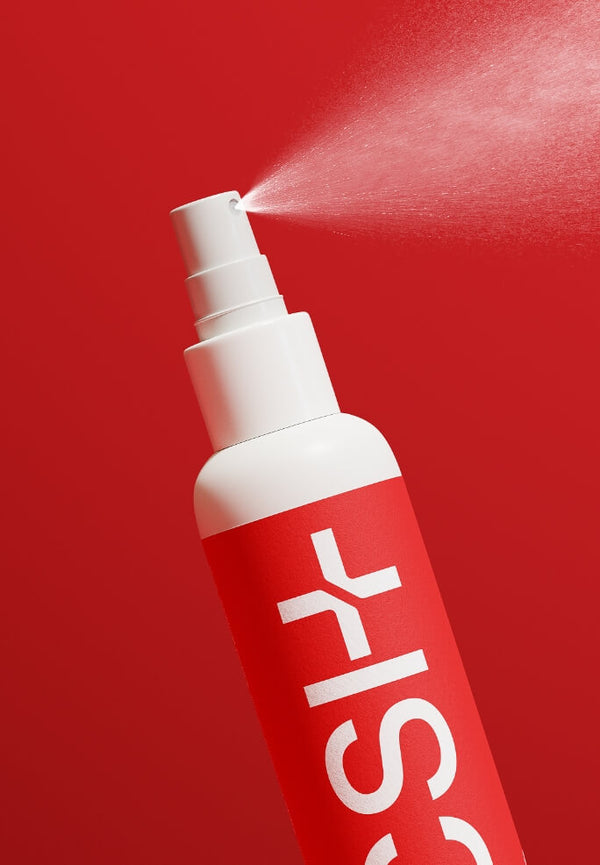
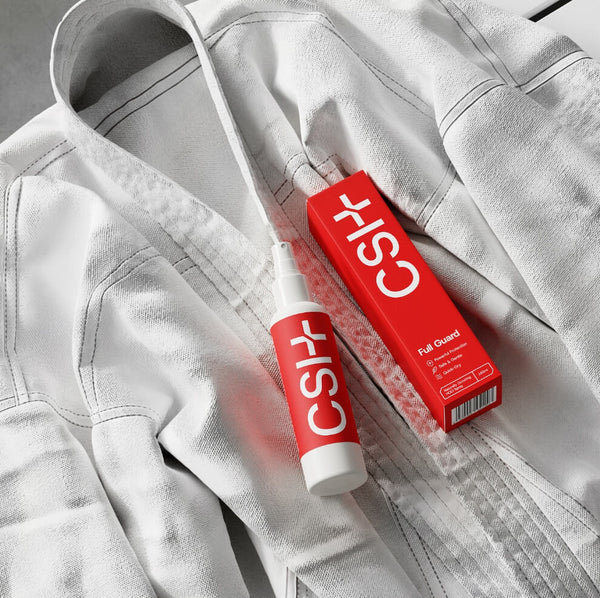
Full Guard is the first-step spray in that order: mist, let it dry, then your salicylic serum goes on as normal. Fine mist, pH-balanced, fragrance-free, alcohol-free. No sting, dries fast, leaves nothing behind. 100ml, £16.49, made in Britain. It's the step you'll also use on days the routine doesn't happen at all, because it works at a bus stop as well as a bathroom shelf.
Full Guard Hypochlorous Acid Spray, 100ml
More on using hypochlorous acid in a normal skincare routine: our hypochlorous acid skincare guide.

For females with fight
The face spray for after the gym
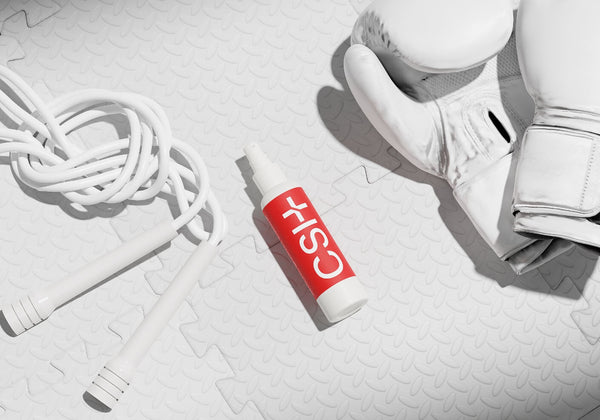
Full Guard started on the mats. A fine, fragrance-free mist that cleanses and freshens post-workout skin in seconds, with no rinse and no residue.
See the face spray · £16.49