Travel Face Spray for Airplane Skin: How HOCl Helps at 35,000 Feet
Educational information only – read the full notice
Travel Size Facial Cleansing Spray for Airplane Skin
A stabilised hypochlorous acid spray is one of the most practical travel skincare items you can carry because it cleanses the skin surface without needing water, fits inside your airport security liquids bag at 100ml, and addresses the specific surface hygiene challenges that cabin air and touch contamination create. For anyone who lands looking and feeling worse than they boarded, a rinse-free surface cleanse mid-flight is a simple intervention that makes a real difference.
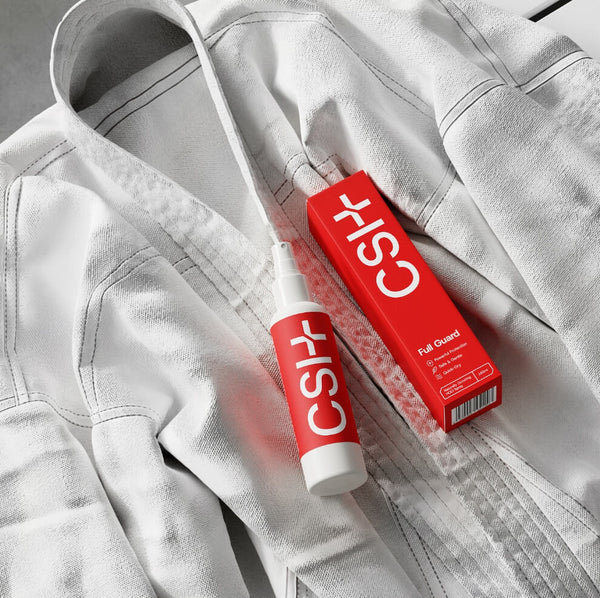
 Full Guard HOCl Spray
200ppm stabilised hypochlorous acid at pH 5.5 to 6.5. 100ml, airport security compliant. No rinsing required. Air-dries in a minute or two.
Shop Full Guard HOCl Spray
What Actually Happens to Your Skin on a Plane
Aircraft cabins are genuinely hostile environments for skin, and understanding why helps explain what a surface cleansing spray can and cannot address.
Low humidity. Normal indoor air sits at around 30 to 60 percent relative humidity. Aircraft cabin air typically runs at 10 to 15 percent, sometimes lower on longer flights. This is drier than most deserts. At this humidity level, moisture evaporates from the skin surface faster than usual. The outermost layer of the stratum corneum becomes more rigid and less flexible, which is the physical basis of that tight, papery feeling most people notice after a few hours in the air.
Recycled and filtered air. Modern aircraft use a mix of fresh outside air and recirculated cabin air, with HEPA filtration on the recirculated portion. The filtration is effective, but the recycled air carries the accumulated warmth of the cabin and whatever particles and impurities the filters do not catch. Combined with the fact that you are in an enclosed space with other passengers for several hours, the surface environment your skin is exposed to is meaningfully different from a normal day.
Touch contamination. Tray tables, armrests, seat-back screens, overhead locker handles: all of these surfaces are touched repeatedly by passengers across multiple flights. Your hands come into contact with them routinely, and hands make contact with the face on average many times per hour. The surface hygiene implications are straightforward. You accumulate surface impurities on your hands and transfer them to your face, with no easy way to wash your face mid-flight without visiting the small and not especially pleasant aircraft bathroom.
Dehydration. Low humidity air, the mild dehydrating effect of altitude, and the tendency to drink less water than usual during travel (particularly on overnight flights where sleep takes priority) all contribute to reduced hydration in the skin. This is a systemic issue as much as a topical one, which is why drinking water during flights genuinely helps rather than being empty advice.
What a Rinse-Free Surface Cleanse Addresses
A mid-flight surface cleanse with Full Guard addresses the touch contamination and surface impurity aspect of the problem. It gently purifies the skin surface, removing the residue that has accumulated from cabin air and contact with shared surfaces, without requiring access to a bathroom, without needing to rinse, and without using a towel or wipe that could drag against dry, tight skin.
It does not replace drinking water or replenish the deeper hydration that low humidity draws from the skin. Those require water intake and a good hydrating serum or moisturiser. But it provides a clean surface to work from, which makes the hydration steps that follow more effective.
The no-rinse format is particularly relevant in a cabin context. Navigating to the aircraft bathroom while wearing a seatbelt sign, managing your skincare bag in a space about the size of a wardrobe, and then touching the tap, the soap dispenser, and the door handle on the way out arguably introduces as many surface hygiene issues as it resolves. A mist applied in your seat, air-dried in 60 seconds, is a more practical solution.
Why HOCl Stability Matters Even More in Travel Contexts
Hypochlorous acid is inherently unstable. The molecule degrades to saltwater without careful manufacturing, and this degradation accelerates with heat and UV exposure. Bags left in car boots, checked luggage sitting on hot tarmac, or products stored near sunny windows are all conditions that can degrade a poorly stabilised HOCl product.
Full Guard uses pharmaceutical-grade stabilisation to maintain the molecule active at pH 5.5 to 6.5 throughout its shelf life. This means the bottle you pack for a long-haul flight is as effective as the bottle you opened at home, provided it is stored away from direct heat and light, which is standard practice for any skincare product. The 200ppm concentration and stabilised pH are the markers of a product manufactured with shelf stability in mind, not just point-of-production activity.
Airport Security: What You Need to Know
Full Guard is a 100ml bottle, which places it within the standard airport security liquids allowance for most countries. Under current UK and EU regulations, liquids in hand luggage must be in containers of 100ml or less, carried in a single transparent resealable bag of approximately one litre capacity (roughly 20cm by 20cm).
Full Guard qualifies as a cosmetic liquid and goes in your clear liquids bag alongside your other travel skincare and toiletries. There is nothing special about how it needs to be handled or declared: it is a cosmetic spray in a 100ml container, the same category as a travel moisturiser or toning mist.
One practical note: if you are travelling with a larger bottle at home and decanting, make sure the travel container is clean and properly sealed. HOCl's stability is maintained in its original formulation; decanting into a used or contaminated bottle can introduce variables that affect the product's performance.
A Travel Skin Routine for Flights: Step by Step
This routine is designed for mid-flight use in your seat, with the products from your carry-on or clear bag. It does not require bathroom access.
Step 1: Cleanse with your preferred gentle cleanser, then pat dry. If you are at the airport before boarding, complete a full cleanse at the terminal. On a long-haul flight, you may want to repeat this at the midpoint using a gentle micellar water or cleansing wipe, followed by a pat dry with a clean tissue. If you are doing a quick mid-flight refresh rather than a full routine, start at Step 2.
Step 2: Mist Full Guard generously across the face, allow to air-dry fully, approximately 60 seconds. In a seated cabin context, hold the bottle close enough to direct the mist onto your face without creating a cloud that bothers neighbouring passengers. A fine, even mist across the face and neck, then left to air-dry. This is your surface cleanse, removing the accumulated impurities from cabin air and touch without any rinsing or wiping.
Step 3: Apply a hydrating serum, particularly hyaluronic acid, while the skin surface is clean and receptive. Low cabin humidity is the main driver of that tight, uncomfortable feeling on long flights. Applying hyaluronic acid (HA) serum to a clean surface after the HOCl has dried helps draw moisture into the skin and hold it there. Layer over that with a niacinamide serum if your skin tends to look uneven or dull after long flights.
Step 4: Seal with a moisturiser or facial oil. In very low humidity air, an occlusive or semi-occlusive layer is more important than usual. A facial oil or a richer moisturiser over your serum helps slow the rate at which moisture evaporates from the skin surface. This final seal is the step that most people skip on flights and most regret skipping when they land.
When to Use It During a Flight
Before take-off, at the gate or just after boarding: Board with clean skin and apply your full routine, including Full Guard, before the cabin crew begin their safety checks. Starting the flight with a clean, hydrated surface means you are ahead of the dehydration curve rather than playing catch-up.
Mid-flight refresh: On flights of four hours or more, a mid-flight application of Full Guard followed by a hydrating serum and moisturiser keeps the surface clean and supports hydration through the second half of the journey. This is when most people start to feel their skin tightening and looking dull.
Before landing: A final mist and moisture layer 30 to 45 minutes before landing means you disembark looking and feeling closer to how you boarded. If you are going directly to a meeting, event, or into a dry air-conditioned building at your destination, this is particularly worthwhile.
Packing It Right
Full Guard goes in your clear liquids bag alongside your other travel skincare. Keep it accessible in your hand luggage rather than at the bottom of a bag you will not open until you land. The whole point of a rinse-free mist is that it requires no setup: no bathroom, no wipes, no additional products. If it is in your seat pocket or the front compartment of your carry-on, you will actually use it.
Pair it with a travel-size hyaluronic acid serum and a small pot of facial oil or balm for a complete mid-flight routine that takes under three minutes. Those three products, all at 100ml or under, cover cleansing, hydration, and sealing, which are the three things cabin air is specifically working against.
HOCl as a General Travel Hygiene Tool
Beyond the flight itself, Full Guard is useful throughout travel. Hotel surfaces, shared transport, festival grounds, and sports venues all present surface hygiene considerations that a no-rinse face mist handles practically. For post-sport and post-activity surface cleansing, the article on HOCl mist for post-workout face hygiene covers how to use it as part of a sport and exercise routine.
For those who travel with a full skincare kit including retinol, the article on using hypochlorous acid with retinol explains how to sequence the two correctly, which is especially relevant on overnight flights where you might be applying your full evening routine.
If you find that travel, particularly the combination of cabin dryness and environmental changes, tends to leave your skin looking flushed or temporarily reactive, the HOCl for soothing temporary redness article covers that use case and the general mechanism behind calming sensitive surface skin.
Taking a hypochlorous spray on a plane (the 100ml rules)
UK and EU cabin rules are straightforward. Liquids in hand luggage have to be in containers of 100ml or less, in the clear bag with everything else. It is the container size that counts, not how much is left in it.
Full Guard is a 100ml bottle, so it goes through cabin security exactly as it is. Drop it in the clear liquids bag with everything else and it flies with you. No decanting, no hold-bag gamble: the bottle is this size for precisely this reason.
The tip worth having on long-haul: mist before you put a sleep mask or travel pillow on, so your face is clean before it spends six hours pressed against fabric.
Where Full Guard fits
Full Guard's 100ml bottle is cabin-bag legal, so it goes through security in your hand luggage exactly as it is. Fine mist, pH-balanced, fragrance-free, alcohol-free. No sting, dries fast, leaves nothing behind. 100ml, £16.49, made in Britain. Land, mist, and your face gets to pretend the recycled air never happened.
Full Guard Hypochlorous Acid Spray, 100ml
More on using hypochlorous acid in a normal skincare routine: our hypochlorous acid skincare guide.
Frequently Asked Questions
Is the mist safe to use while others are seated nearby?
Yes. Apply with the bottle held close to your face to direct the mist rather than dispersing it into the cabin air. The spray is fragrance-free so there is no scent impact on neighbouring passengers, and the volume used in a single application is small.
Can I use Full Guard over makeup?
For a mid-flight refresh over light makeup, a very light mist can be applied to refresh the skin surface. For a heavier makeup look, the mist may disturb the finish. For a comparison of HOCl mist with traditional makeup setting sprays, see the article on HOCl face spray versus makeup setting mist.
Does it need to be kept refrigerated during travel?
No. Full Guard does not require refrigeration. Store away from direct heat and sunlight, as with any HOCl product, but it is stable at normal travel temperatures.
Can I use it on long-haul trips across multiple time zones?
Yes. The routine described above applies regardless of flight duration or direction. On very long flights (ten hours or more), a second mid-flight application is worthwhile.
New to hypochlorous acid skincare? Explore the full HOCl skincare range and the 6-month bundle.
Related reading: refreshing your makeup brushes between uses.
Full Guard is a cosmetic skin cleansing spray registered under the UK Cosmetic Products Regulation. It is not intended to treat, cure, prevent or diagnose any skin condition. For any active skin concern, consult a GP, dermatologist or pharmacist.
Our HOCl mist
Full Guard Hypochlorous Acid Spray
An ultra-pure, fragrance-free HOCl mist made in the UK. Rinse-free, no alcohol and no sting, it dries in a minute or two and leaves skin feeling clean and fresh, the perfect freshen-up when a shower isn't happening yet.
- 95% pure hypochlorous acid, skin-friendly pH 5.5-6.5
- Fragrance-free and non-stripping, kind to sensitive skin
- Rinse-free, dries fast, fits any bag or desk drawer
- UK-made to ISO 22716 (GMP) standards

For females with fight
The face spray for after the gym
Full Guard started on the mats. A fine, fragrance-free mist that cleanses and freshens post-workout skin in seconds, with no rinse and no residue.
See the face spray · £16.49