Is Hypochlorous Acid Safe? Skin, Eyes & Everyday Use
Educational information only – read the full notice
"Is hypochlorous acid safe?" is one of the first things people type when they come across it, and it's a fair question. The name has "acid" in it, which sounds alarming, and yet the marketing often makes it sound like a miracle. As a 36-year-old who trains BJJ and has misted the stuff on my face most days for a couple of years, I wanted a straight answer rather than a sales pitch. So here's an honest, non-alarmist look at the safety side, kept in plain English and fact-checked with our medical team, including the bits about eyes, kids and pets that people quite reasonably worry about.
TL;DR
- HOCl is generally well tolerated: it is a weak acid and the same substance your own immune cells produce.
- Patch test any new product, and follow the label around the eyes and delicate areas.
- Storage matters: light and heat degrade HOCl, so keep bottles cool and out of the sun.
- If skin reacts or you have an active skin concern, stop and ask a GP, pharmacist or dermatologist.
Why HOCl is generally well-tolerated
The headline reassurance is a simple one: hypochlorous acid is a molecule your own body already makes. Your white blood cells produce it as part of normal biology, which is a big part of why a well-formulated cosmetic HOCl mist tends to sit so comfortably on skin. The "acid" in the name is chemistry shorthand, not a warning: at the gentle, skin-friendly strengths used in cosmetic mists, it's nothing like the harsh, stripping acids that word brings to mind.
A few practical features add to the easy-going reputation. A good HOCl mist is fragrance-free, so there's no perfume load to upset reactive skin. It contains no alcohol, so it doesn't sting or dry the way an alcohol-based spray can. We get into the why of that in why hypochlorous acid doesn't sting. And it's water-thin and non-greasy, so it doesn't clog or leave residue. None of this makes it magic; it simply means most people find it an unfussy, comfortable everyday product. That's a different claim from "it does something to your skin", and the difference matters, which I'll come back to.
Patch-testing sensibly
"Generally well-tolerated" is a statement about most people, not a guarantee about you specifically. Skin is personal, and any product, water included, can occasionally disagree with someone. So the sensible move with anything new is a quick patch test. It costs you nothing and saves a lot of second-guessing.
The approach is the same one a pharmacist would suggest for any cosmetic. Mist a small amount onto an out-of-the-way patch of skin (the inner forearm is the classic spot), let it air-dry, and leave it for a day before you commit to using it on your face or anywhere more delicate. If the skin looks and feels normal, you're good to carry on. If it goes red, itchy, bumpy or sore, stop and don't use it. If you've got a history of reactive or sensitive skin, this step is worth doing properly rather than skipping; there's more on the gentle-product angle in HOCl for reactive skin.
Around the eyes and delicate areas
This is the question that comes up most, usually phrased as "is HOCl safe for eyes?" Here's the honest answer: be cautious, and follow the label. A cosmetic facial mist is designed for the skin of the face, not to be sprayed or dropped directly into the eyes. Some HOCl products are formulated and labelled specifically for use around the eye area, and others aren't. Those are not interchangeable, and the only way to know what yours is for is to read what the manufacturer says.
In everyday practice that means closing your eyes when you mist your face, and not aiming straight at them. If a little drifts onto closed eyelids, that's the kind of contact a facial mist is made for. If you do get product in your eye and it stings or waters, rinse with clean water and, if any irritation lasts, see a pharmacist or your GP. The same "gentle but sensible" logic applies to other delicate spots: broken skin, fresh cuts, grazes and the like. A cosmetic mist isn't a wound product, so I keep it off open skin and let cuts do their thing. There's more on the everyday face routine in hypochlorous acid for your face.
Children and pets
I get asked this a lot by parents and dog owners, and my honest answer is the responsible one: defer to a professional and to the specific product's guidance. The gentleness and lack of fragrance are exactly why HOCl has found fans in homes with kids and animals, but "gentle" is not the same as "use however you like on anyone."
For children, I wouldn't start using any cosmetic on a young child without checking the label's age guidance first, and if there's any doubt, a quick word with a pharmacist or your GP settles it. For pets, the considerate approach is to follow product guidance written for animal use and, where it matters, to ask your vet. Animals lick and groom themselves, so what's sensible for human skin isn't automatically right for them. We cover the low-key, considerate version of this in pet-friendly hygiene with HOCl. The theme throughout is the same: when it's a child or an animal, lean on a professional rather than on a blog.
What "safe" does, and doesn't, mean
This is the part our medical team is most insistent on, so I'll be plain. "Well-tolerated" is a comment about comfort and gentleness. It is not a claim that the product treats, prevents or cures anything. A cosmetic HOCl mist is for keeping skin feeling clean and fresh: that's the whole job.
So when you read that HOCl is safe, read it the right way. It means a well-made mist is a comfortable everyday cosmetic for most people. It does not mean it's a medicine, a hand sanitiser or a treatment for any skin condition. It doesn't replace washing your hands with soap and water, and it isn't a substitute for proper medical advice if something on your skin actually needs it. Keeping expectations honest is, oddly, part of using it safely, because the risky thing isn't the mist, it's relying on a cosmetic to do a job it was never meant to do.
Storage and handling
A bit of common sense here keeps the product behaving as intended. Hypochlorous acid is naturally a little delicate (light and heat shorten its life), so store the bottle somewhere cool and out of direct sunlight rather than on a sunny windowsill or in a hot car. Keep the cap on when you're not using it, and don't decant it into a random bottle, because the right packaging is part of what keeps a good HOCl stable.
Check the use-by or period-after-opening guidance and don't hang onto a bottle forever; an old, degraded mist isn't harmful so much as pointless. As with anything around the house, keep it out of reach of small children, and keep skin-grade and surface-grade products clearly separated, since they're formulated to different specifications and aren't interchangeable. None of this is dramatic; it's the same care you'd give any cosmetic you wanted to last.
When to stop and ask a professional
The simplest safety rule of all is also the most reassuring: if something isn't right, stop and ask. If using the mist leaves your skin red, itchy, sore or otherwise unhappy, stop using it. That's your skin telling you it's not for you, and there's no shame in it.
And separately from the product entirely: if you've got a skin concern that's sore, spreading, weeping, changing or just not settling, that's a conversation for a pharmacist, GP or dermatologist, not for a spray bottle. A cosmetic mist is not the answer to a genuine skin problem, and I'd never want anyone to delay getting proper advice because they were hoping a nice-feeling product would sort it. Used for what it's good at, an everyday freshen-up, HOCl is an easy, gentle thing to have around. Used as a stand-in for medical care, it isn't doing you any favours.
FAQ
Is hypochlorous acid safe for skin? For most people a well-made cosmetic HOCl mist is a comfortable, gentle everyday product, helped by the fact that it's fragrance-free and alcohol-free. It's a cosmetic, not a medicine, so patch-test first and stop if your skin doesn't agree with it.
Is HOCl safe to use around the eyes? Be cautious and follow the label. A facial mist is for the skin of the face, not for spraying into the eyes; close your eyes when you mist, and only use a product around the eye area if it's specifically labelled for that. If irritation lasts, see a pharmacist or GP.
Is it safe for children and pets? Lean on a professional. Check the product's age guidance for children and follow animal-specific guidance for pets, asking a pharmacist, GP or vet if you're unsure rather than assuming "gentle" means "anything goes."
Keep reading
- How your body makes HOCl.
- Hypochlorous acid for your face.
- HOCl for reactive and sensitive skin.
- The pH tightrope: what keeps HOCl stable.
- How hypochlorous acid works.

Our HOCl mist
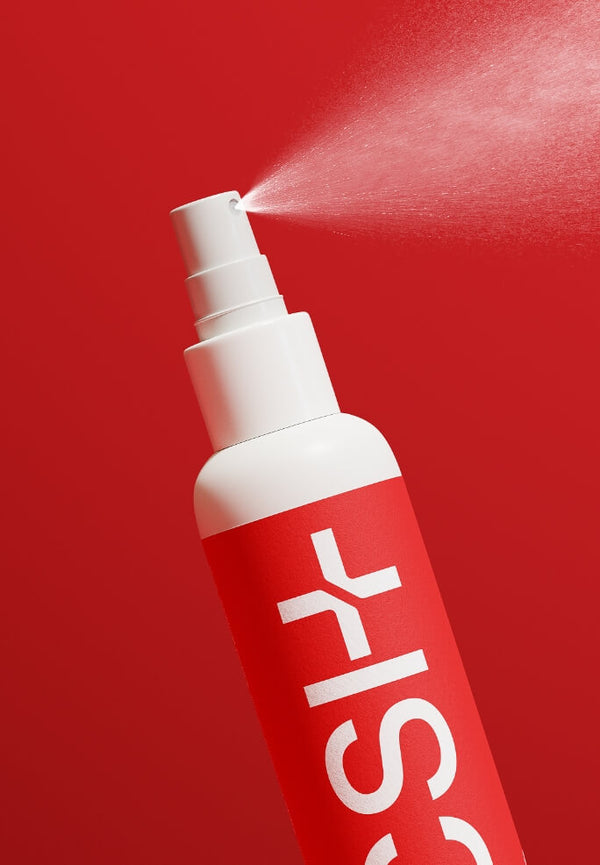
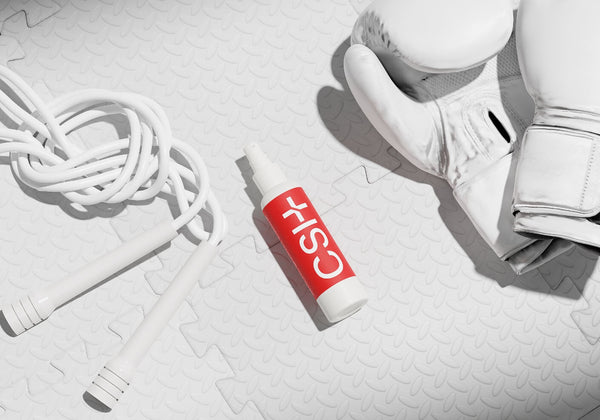
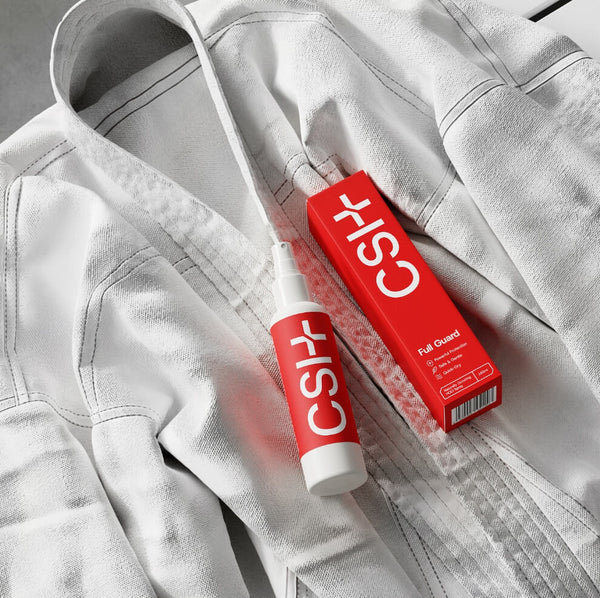
Full Guard Hypochlorous Acid Spray
An ultra-pure, fragrance-free HOCl mist made in the UK. Rinse-free, no alcohol and no sting, it dries in a minute or two and leaves skin feeling clean and fresh, the perfect freshen-up when a shower isn't happening yet.
- 95% pure hypochlorous acid, skin-friendly pH 5.5-6.5
- Fragrance-free and non-stripping, kind to sensitive skin
- Rinse-free, dries fast, fits any bag or desk drawer
- UK-made to ISO 22716 (GMP) standards
Want the full picture on Full Guard? See what makes our hypochlorous acid spray different, for sport and for skin.
Full Guard is a cosmetic skin cleansing spray registered under the UK Cosmetic Products Regulation. It is not intended to treat, cure, prevent or diagnose any skin condition. For any active skin concern, consult a GP, dermatologist or pharmacist.
Keep reading
- How hypochlorous acid works - the oxidation science in plain English.
- HOCl shelf life - how long it stays good, and how to tell when it is not.
- Using HOCl alongside retinol - the layering question everyone asks.