Shelf Life: Why HOCl Reverts to Salt Water
Educational information only – read the full notice
Here's a quirk of hypochlorous acid that catches people out: it doesn't last forever, and an old bottle isn't the same as a fresh one. Unlike a lot of cosmetic products that sit happily in a cupboard for years, HOCl is a dynamic molecule that gradually winds back down to little more than salt water. Knowing why helps you get the best from it.
TL;DR
- Most stabilised HOCl sprays state a shelf life of around 12 to 24 months unopened. The date on your bottle is the figure that counts.
- Light, heat and air speed the fade, so store it cool and dark in its original container.
- Old HOCl is not dangerous. It gradually reverts toward salt water and simply becomes less useful.
Plain-English chemistry, fact-checked with our medical team.
Why it fades
As covered in electrolysed water 101, HOCl is made by activating a simple brine. Because it's the product of a balanced reaction rather than a stable end-state, it naturally tends to drift back towards its starting point: mild saline. Left long enough, that's broadly where it ends up. It's not "going off" in a nasty sense; it's just relaxing back to salt water and losing its activity along the way.
What speeds it up
- Light: UV in particular pushes the reaction along, which is why a clear bottle on a sunny windowsill is the worst place for it.
- Heat: warmth accelerates the decay; cool and stable is kinder.
- Time: even perfectly stored, it has a finite useful life.
Getting the most from a bottle
Store it somewhere cool and dark, keep it in its original opaque or UV-protected container, don't decant it into a clear bottle, and use it within its date rather than hoarding it. Strength (PPM) and freshness are related but separate ideas: a high-strength bottle that's been cooked on a windowsill can be weaker than a modest one kept properly (more in PPM explained).
What "reverting to salt water" actually looks like
It's a gradual fade rather than a dramatic event. A fresh bottle of hypochlorous acid is at its full, active strength; over weeks and months, the molecule slowly relaxes back towards its origins, mild saline, and loses its activity along the way. There's no nasty transformation, no curdling or going dangerous; it just quietly becomes weaker and, eventually, not much more than salt water. That's why an old bottle and a fresh one aren't the same product even though they look identical. Unlike a jar of moisturiser that's much the same on day one and day three hundred, HOCl is a dynamic molecule on a one-way trip back to where it started, and time is always nudging it along.
Storage in practice
Because light, heat and time are the enemies, good storage is mostly common sense:
- Keep it out of direct sunlight. A clear bottle on a sunny windowsill is the fastest way to kill it: UV really does accelerate the decline.
- Keep it cool. A cupboard away from radiators, or the fridge, beats a hot bathroom shelf.
- Leave it in its original container. Opaque or UV-protected packaging is there for a reason; don't decant it into a clear bottle.
- Use it within its date rather than hoarding it for a rainy day that never comes.
None of that is onerous. It's the same care you'd give any decent skincare, just with a bit more respect for light and heat.
Spotting a tired bottle
How do you know if a bottle is past its best? The honest answer is to trust the date and your storage more than your senses, because a fading HOCl solution doesn't dramatically announce itself: the faint pool-like smell simply gets weaker as it reverts. If a bottle has been open for ages, lived somewhere warm and bright, or is well past its date, assume it's lost much of its punch and replace it rather than relying on a tired product. Strength on the label (PPM) tells you where a product started, not where it is now after months on a shelf. The two are related but separate ideas, as PPM explained sets out.
Why this is a feature, not a flaw
It's tempting to see the limited shelf life as a downside, but it's really the flip side of what makes HOCl appealing in the first place. The same gentle, dynamic, reverts-to-saline nature that makes it kind to skin is exactly what makes it impermanent. A harsh, stable, long-lasting chemical would be a very different and less skin-friendly thing. So the short shelf life is a clue that you've got the real, gentle article rather than something aggressive engineered to last forever. Buy sensible quantities, store them well, use them fresh, and the impermanence is simply part of the deal rather than a problem to solve.
A simple rule of thumb
You don't need to become a storage obsessive; a couple of easy rules cover almost everything. Treat a bottle of hypochlorous acid a bit like a fresh food than a tin: it's at its best fresh, it doesn't last indefinitely, and it prefers cool and dark to warm and bright. Buy quantities you'll realistically use within the product's life rather than stockpiling a year's worth that'll fade before you reach it. Keep it out of direct sun and away from heat: a cupboard, a drawer or the fridge, not a sunny windowsill or a hot car. Leave it in the packaging it came in, which is designed to protect it. And when a bottle is old, well past its date, or has clearly lived somewhere warm and bright, just replace it rather than wondering whether it still works. It's an inexpensive product and a tired one simply isn't doing much. Follow those and you'll always be using HOCl that's actually active, which is the whole point of buying it. The flip side is reassuring: this gentle, dynamic, reverts-to-saline behaviour is exactly what tells you you've got the real, skin-friendly article rather than something harsh engineered to last forever. So the modest shelf life isn't a defect to grumble about. It's a feature that comes bundled with the gentleness, and managing it is genuinely no more effort than not leaving your skincare to cook on a windowsill.
FAQ
How long does hypochlorous acid last?
Most stabilised HOCl products state a shelf life of around 12 to 24 months unopened, so the date on your bottle is the figure that counts. Once opened, light, heat and air all speed the fade. Cool, dark storage in the original container gives you the best of its useful life.
Is old HOCl dangerous?
No. It just loses its activity as it reverts towards salt water. It's not harmful, it's simply less effective, so replace it rather than relying on a tired bottle.
Can I store it in the fridge?
Cool and dark is ideal, so a fridge is fine, though a cupboard away from heat and light works too. The key is avoiding sun and warmth.
Keep reading
- Electrolysed water 101: how it's made.
- PPM explained: strength vs freshness.
- The pH tightrope.

Our HOCl mist
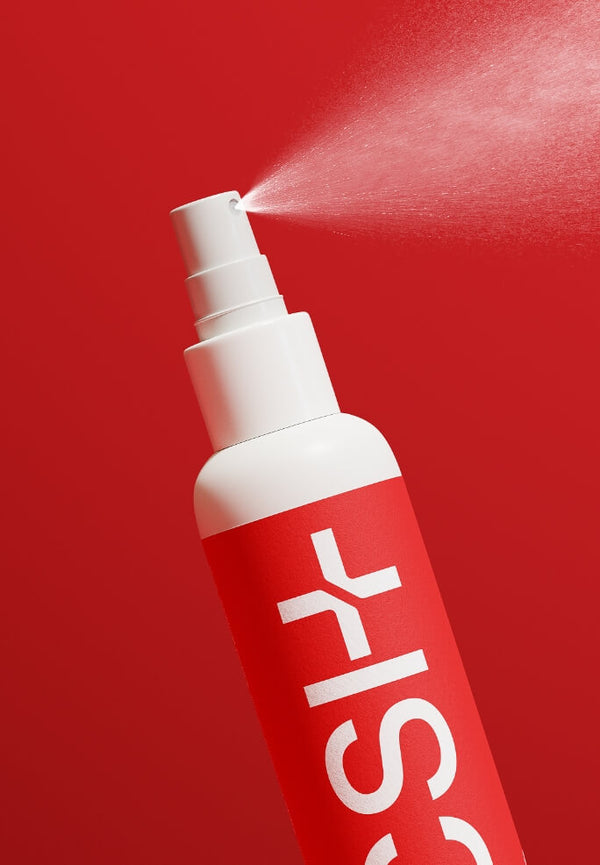
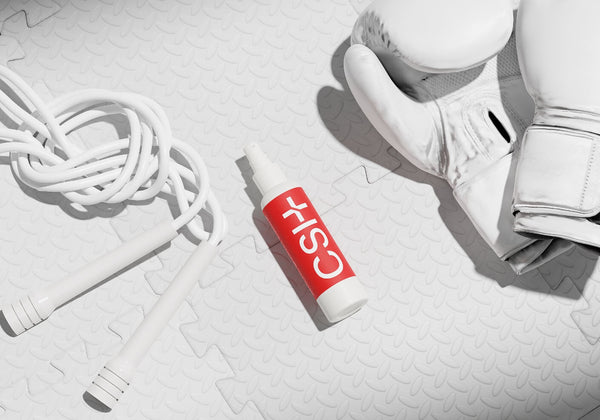
Full Guard Hypochlorous Acid Spray
An ultra-pure, fragrance-free HOCl mist made in the UK. Rinse-free, no alcohol and no sting, it dries in a minute or two and leaves skin feeling clean and fresh, the perfect freshen-up when a shower isn't happening yet.
- 95% pure hypochlorous acid, skin-friendly pH 5.5-6.5
- Fragrance-free and non-stripping, kind to sensitive skin
- Rinse-free, dries fast, fits any bag or desk drawer
- UK-made to ISO 22716 (GMP) standards
Want the full picture on Full Guard? See what makes our hypochlorous acid spray different, for sport and for skin.
Full Guard is a cosmetic skin cleansing spray registered under the UK Cosmetic Products Regulation. It is not intended to treat, cure, prevent or diagnose any skin condition. For any active skin concern, consult a GP, dermatologist or pharmacist.
Keep reading
- The pH tightrope: what keeps HOCl stable - the chemistry behind why shelf life is limited at all.
- Is hypochlorous acid safe? - what the gentleness claims actually rest on.
- HOCl vs bleach - related chemistry, completely different products.