Hypochlorous Acid and the Skin Barrier: A Guide for Sensitive Skin Types
Educational information only – read the full notice
Hypochlorous Acid Skin Barrier Support for Sensitive Skin
Hypochlorous acid (HOCl) at pH 5.5 to 6.5 sits close enough to the skin's natural acid mantle that it cleanses the surface without disrupting the lipid barrier that sensitive skin depends on. For people whose skin reacts to fragrance, harsh surfactants or pH-mismatched products, a stabilised HOCl mist offers a gentle surface hygiene step that works with skin chemistry rather than against it.
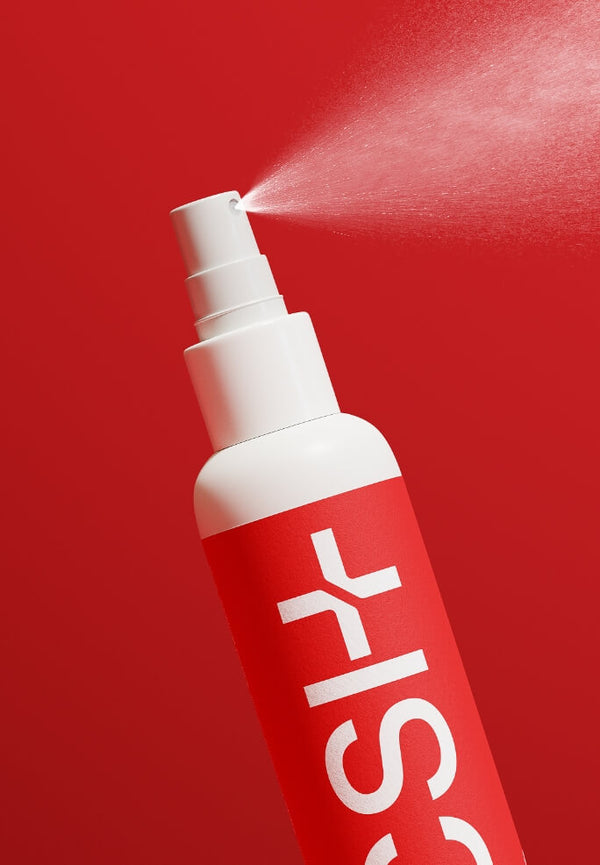
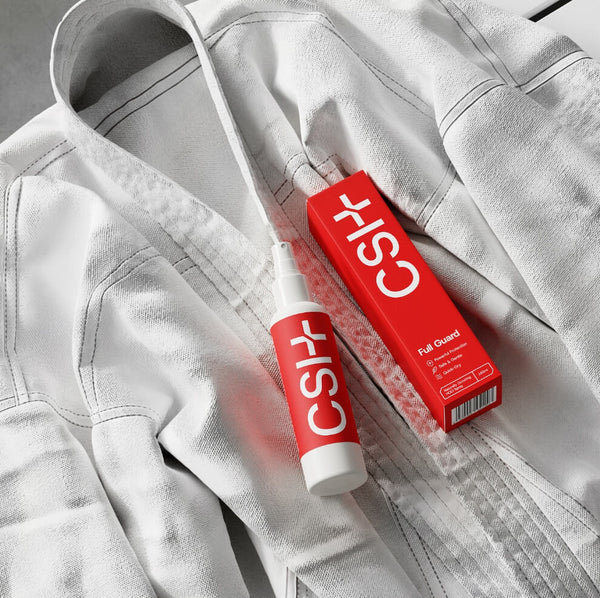
 Full Guard HOCl Spray
200ppm stabilised hypochlorous acid at pH 5.5 to 6.5. No fragrance, no alcohol, no rinsing required. Air-dries in a minute or two.
Shop Full Guard HOCl Spray
What the Skin's Acid Mantle Actually Is
Your skin surface is naturally slightly acidic, sitting at roughly pH 4.5 to 5.5. This thin film, known as the acid mantle, is a mixture of sebum, sweat, and the byproducts of the skin's own microbiome. It is not glamorous, but it is essential. The acid mantle serves as the outermost layer of what dermatologists call the skin barrier: a multi-layer system that keeps moisture in and environmental irritants out.
Beneath the acid mantle is the stratum corneum, the outermost layer of skin cells. These corneocytes are held together by a matrix of lipids, primarily ceramides, cholesterol, and fatty acids. When the acid mantle is disrupted, the pH of the stratum corneum shifts upward, the lipid matrix becomes less ordered, and moisture loss accelerates. The result is that tight, reactive, slightly uncomfortable feeling that many people associate with sensitive skin.
pH disruption can come from many directions. Most bar soaps sit at pH 9 to 10. Many foaming cleansers sit at pH 7 to 8. Even some "gentle" toners or micellar waters can push the skin surface into a more alkaline range. For people with already reactive skin, each of these mismatches compounds over time.
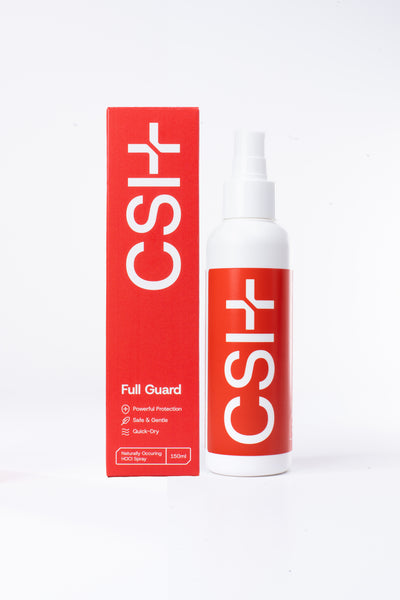
From the CSH range
Full Guard HOCl Hygiene Spray · £16.49
Skin-neutral pH and a short ingredients list: a hygiene mist made for skin that reacts badly to heavy-duty products.
What "Sensitive Skin" Actually Means in Cosmetic Terms
Sensitive skin is not a medical diagnosis. In cosmetic science and consumer research, it describes a skin type that shows heightened reactivity to topical products, environmental conditions, or both. The most common triggers are:
- Fragrance: Both synthetic fragrance compounds and natural essential oils are among the most frequent causes of cosmetic-related skin reactions. Sensitive skin often responds to these with redness, tingling, or a burning sensation.
- Harsh surfactants: Sodium lauryl sulphate (SLS) and related compounds strip lipids from the stratum corneum and raise surface pH, both of which compromise barrier function.
- pH extremes: Products that are highly acidic or highly alkaline force the skin to work harder to restore equilibrium, which can manifest as tightness, flaking, or reactive flushing.
- Alcohol: Denatured alcohol (SD alcohol or ethanol listed early in an ingredient list) removes sebum rapidly and can temporarily dehydrate the surface layers.
- Preservative systems: Certain preservatives, including some parabens and formaldehyde-releasing agents, can cause contact sensitivity in reactive skin types.
None of these are present in Full Guard HOCl Spray. The formulation contains hypochlorous acid in purified water, with pharmaceutical-grade stabilisers to maintain pH and molecule integrity. No fragrance. No alcohol. No traditional preservative system, because HOCl's chemistry is self-preserving within its pH window.
Why pH Match Matters for Sensitive Skin
The closer a product's pH is to the skin's natural acid mantle, the less correction the skin has to do after application. This matters for all skin types, but it matters most for sensitive skin, which already has a less robust barrier and less tolerance for repeated disruption.
Full Guard sits at pH 5.5 to 6.5. This places it at the upper edge of the skin's natural acid mantle range and just above it, which means it does not aggressively acidify the surface (as very low-pH chemical exfoliants do) but also does not push the skin alkaline. For sensitive skin that has been temporarily disrupted by a higher-pH cleanser or by environmental factors, applying Full Guard helps return the surface to a more balanced state before the rest of your routine begins.
It is worth being precise about what this means in cosmetic terms. HOCl at this pH supports the skin's surface environment by providing gentle surface cleansing that is compatible with the acid mantle. This is a cosmetic action. It does not restructure the lipid matrix, does not rebuild ceramide levels, and does not treat any underlying skin condition. Those outcomes require either time, or clinical intervention, or specific active ingredients in your skincare routine.
Why HOCl Stability Matters
Hypochlorous acid is inherently unstable. Left to its own devices, the molecule degrades to saltwater, and the product becomes inert. This degradation happens faster at higher temperatures, in the presence of UV light, and at pH values outside a narrow window. A poorly manufactured HOCl product may test active at the point of production but lose potency on the shelf before it reaches you.
Full Guard uses pharmaceutical-grade stabilisation to maintain the molecule active throughout its shelf life, kept at pH 5.5 to 6.5. This pH range is not arbitrary. It is the window in which HOCl is both chemically stable and compatible with the skin's acid mantle. Below pH 4, HOCl shifts toward a more aggressive chlorine chemistry. Above pH 7, the molecule converts to hypochlorite, which is far more irritating and the active ingredient in bleach. The pH 5.5 to 6.5 window is the sweet spot: stable, skin-compatible, and effective at gentle surface cleansing.
When choosing an HOCl product, look for stated pH, concentration (Full Guard is 200ppm), and manufacturing quality. Vague claims without these specifications are a sign that stability has not been adequately controlled.
Cosmetic Barrier Support Versus Medical Treatment: Understanding the Difference
It is important to be clear about what HOCl does and does not do for the skin barrier. These two categories are not the same thing, and conflating them sets up unrealistic expectations.
What cosmetic surface cleansing does: removes surface impurities, excess oil, and environmental residue from the skin surface. It supports the skin's surface environment by not disrupting the acid mantle. It prepares the skin surface for the rest of a skincare routine. For sensitive skin, choosing a surface cleansing step with a compatible pH and no irritating ingredients is an important part of keeping the skin barrier stable over time.
What medical treatment does: addresses specific diagnosed conditions at a clinical level, whether through prescription actives, procedural intervention, or pharmaceutical-grade formulations that have undergone clinical testing for specific outcomes. If you have a diagnosed skin condition, fragrance allergy with confirmed allergens, or persistent reactive skin that is affecting your quality of life, the right step is a conversation with a GP, dermatologist, or pharmacist.
Full Guard sits firmly in the cosmetic category. It is a registered cosmetic under the UK Cosmetic Products Regulation. It is designed for gentle surface hygiene, not to treat any skin condition.
Where Full Guard Fits in a Sensitive Skin Routine
The key principle for sensitive skin routines is minimising unnecessary disruption. Fewer steps with well-chosen, pH-compatible products are generally better than long routines with mismatched formulations. Full Guard fits into this philosophy by replacing a more disruptive toning or prep step with something that cleanses the surface without adding friction.
It is particularly useful in two moments. First, as a post-cleanse step when your gentle cleanser has been slightly higher pH than ideal, helping to return the surface toward a more balanced state before applying serums. Second, as a mid-day surface refresh on days when you are not wearing makeup and want to cleanse accumulated surface impurities without a full wash.
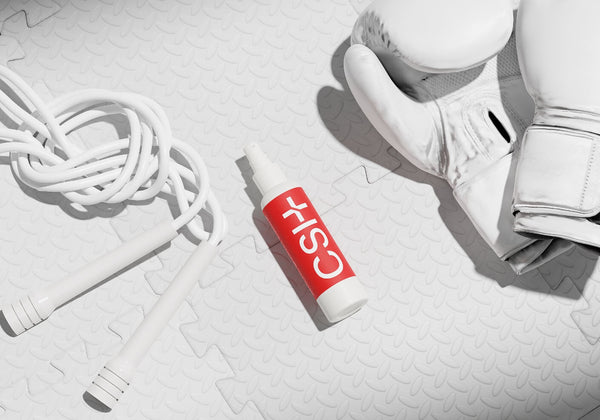
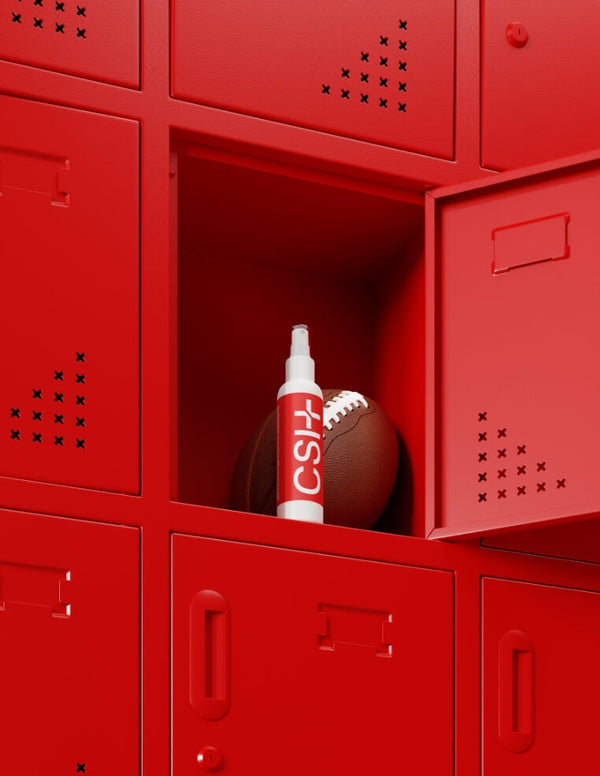
If you are active and your face is exposed to sweat, gym equipment, or shared surfaces, you might also find it useful for post-workout surface cleansing. The no-rinse format means you do not need access to a sink, which is practical in a gym or sports setting. For more on that use case, see our article on HOCl mist for post-workout face hygiene.
For those who experience temporary redness after shaving or facial grooming, the HOCl for calming skin redness after shaving article covers that specific use case in more detail.
How to Use Full Guard in a Sensitive Skin Routine: Step by Step
The following routine is designed to layer products in an order that respects the skin's pH environment and minimises irritation potential.
Step 1: Cleanse with your preferred gentle cleanser, then pat dry. For sensitive skin, a low-pH, fragrance-free, sulphate-free cleanser is ideal. Pat rather than rub with a clean towel or disposable cotton square.
Step 2: Mist Full Guard generously across the face and neck. Allow to air-dry fully, approximately 60 seconds. Hold the bottle 15 to 20 cm from the face and apply a fine, even mist. Do not rub or pat. Letting it air-dry is part of how it works: you want the HOCl to complete its surface cleansing action, and you want the skin to be fully dry before the next step so you are not diluting or disturbing your serum or active.
Step 3: Apply water-based serums such as hyaluronic acid or niacinamide, or actives such as retinol or vitamin C. For sensitive skin, introduce actives slowly and one at a time. Niacinamide is well tolerated by most reactive skin types and supports the appearance of balanced skin tone. Hyaluronic acid adds surface hydration. If you use retinol, the article on using hypochlorous acid with retinol covers how to layer them correctly.
Step 4: Seal with moisturiser or facial oil. For sensitive skin, look for moisturisers with ceramides, squalane, or glycerin as key ingredients. These support the lipid layer and reduce transepidermal water loss. Apply while skin is still slightly tacky from the serum to lock in hydration.
A Note on Patch Testing
Even though Full Guard contains no common irritants (no fragrance, no alcohol, no harsh surfactants), sensitive skin can react unexpectedly to any new product. Patch test on a small area, such as the inner forearm or behind the ear, for 24 to 48 hours before using on the face. This is standard practice for any new skincare addition, regardless of formulation.
Why HOCl suits a stressed skin barrier
When skin is in that phase where it feels tight and stings at almost everything, most products make it worse, and usually for the same three reasons: fragrance, alcohol and active ingredients.
Hypochlorous acid is none of those things. It cleanses without stripping, it carries no perfume, and it sits at a pH close to skin's own, so it is not arguing with the surface it lands on.
The honest framing here is sensory. Skin feels calm and clean rather than tight and scoured. That is what a gentle step in a routine is for.
Patch test first, as you would with anything new. If skin stays sore, reactive or flaky, see a pharmacist or GP rather than working around it.
Where Full Guard fits
Full Guard was built for skin that gets put through it, which turns out to be the same brief as sensitive skin: nothing in the bottle that commonly sets reactive skin off. Fine mist, pH-balanced, fragrance-free, alcohol-free. No sting, dries fast, leaves nothing behind. 100ml, £16.49, made in Britain. Patch test first like you would with anything new, then it's the least demanding step in the routine.
Full Guard Hypochlorous Acid Spray, 100ml
More on using hypochlorous acid in a normal skincare routine: our hypochlorous acid skincare guide.
Frequently Asked Questions
Can I use Full Guard if I have very reactive skin that responds to almost everything?
Full Guard's formulation is as minimal as HOCl sprays get: hypochlorous acid in purified water, stabilised to pH 5.5 to 6.5, with no fragrance, alcohol, or preservatives. If you are particularly reactive, patch test first and introduce it as a single new variable so you can isolate any response.
Can I use it around my eyes?
Yes. Avoid direct spray into the eyes, but the periorbital area (around the eye) is appropriate. For eyelid hygiene specifically, including use with lash extensions, see our article on eyelid hygiene spray and lash extensions.
Does HOCl dry out sensitive skin?
No. HOCl in purified water does not strip oils or disrupt the lipid matrix. Unlike alcohol-based toners or astringents, it does not have a drying action. It cleanses the surface and then air-dries, leaving no residue.
Can I use it every day?
Yes. Full Guard is formulated for daily use as part of a morning and evening skincare routine. Many people also use it mid-day as a surface refresh.
New to hypochlorous acid skincare? Explore the full HOCl skincare range and the 6-month bundle.
Related reading: a cooling mist for warm, reactive skin.
Full Guard is a cosmetic skin cleansing spray registered under the UK Cosmetic Products Regulation. It is not intended to treat, cure, prevent or diagnose any skin condition. For any active skin concern, consult a GP, dermatologist or pharmacist.
Our HOCl mist
Full Guard Hypochlorous Acid Spray
An ultra-pure, fragrance-free HOCl mist made in the UK. Rinse-free, no alcohol and no sting, it dries in a minute or two and leaves skin feeling clean and fresh, the perfect freshen-up when a shower isn't happening yet.
- 95% pure hypochlorous acid, skin-friendly pH 5.5-6.5
- Fragrance-free and non-stripping, kind to sensitive skin
- Rinse-free, dries fast, fits any bag or desk drawer
- UK-made to ISO 22716 (GMP) standards

For females with fight
The face spray for after the gym
Full Guard started on the mats. A fine, fragrance-free mist that cleanses and freshens post-workout skin in seconds, with no rinse and no residue.
See the face spray · £16.49