How to Refresh Blemish-Prone Skin Without Drying It Out
Educational information only – read the full notice
How to Refresh Blemish-Prone Skin Without Drying It Out
The key to refreshing blemish-prone skin without causing dryness is to cleanse the surface gently at a pH that matches the skin's own acid mantle, avoiding the harsh astringents that strip moisture and leave skin overcompensating. A pH-balanced hypochlorous acid mist gives blemish-prone skin a clean, calm surface without disrupting the moisture levels it needs to stay balanced.
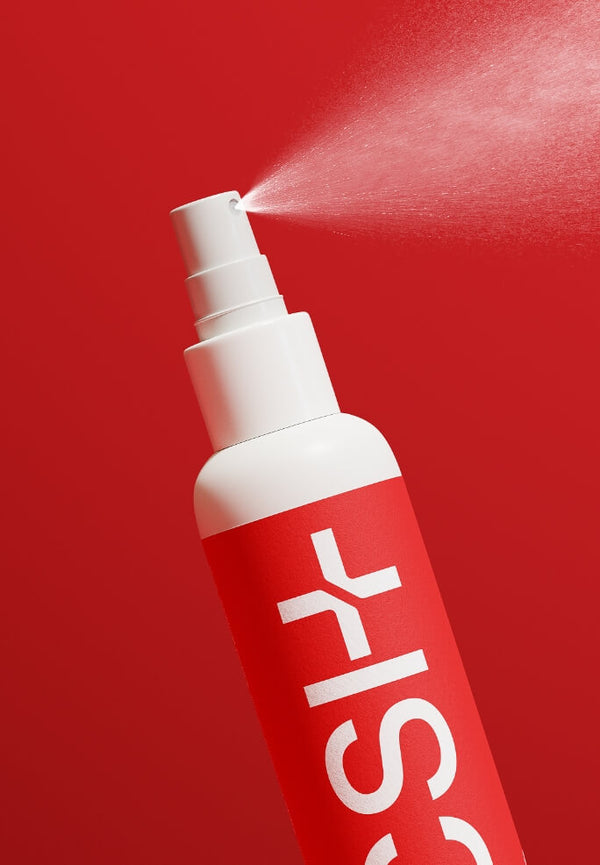
 Full Guard HOCl Spray
200ppm of 95% pure hypochlorous acid. pH 5.5 to 6.5, fragrance-free, no rinse required. Air-dries in a minute or two. Registered cosmetic under the UK Cosmetic Products Regulation.
Shop Full Guard HOCl Spray
The Dryness Trap in Blemish-Prone Skincare
It is one of the most common mistakes in blemish-prone skincare: reaching for the strongest, most drying product available in the belief that removing every trace of oil and moisture will keep congestion away. Toners loaded with high-percentage alcohol, astringent witch hazel, or harsh sulphate-based cleansers used twice or three times a day. They feel effective in the moment because they produce an immediate sensation of tightness that reads as "clean."
That tightness is not a sign of a healthy skin surface. It is a sign that the acid mantle has been disrupted.
The acid mantle is a fine, slightly acidic film on the outermost layer of skin, formed from a mix of sebum and natural moisturising factors. It typically sits at a pH of around 4.5 to 6.0 and acts as the skin's first line of surface defence. When harsh cleansers strip this layer, the skin's surface pH rises, which can trigger an overproduction of sebum as the skin attempts to restore balance. The result is often oilier, more congested skin within a few hours of cleansing. The harsh product has caused the very problem it was meant to solve.
For blemish-prone skin types, this cycle is familiar. Products that feel powerful in the moment lead to rebound oiliness, sensitivity, and a skin barrier that is increasingly reactive over time. Breaking the cycle requires a different approach to surface hygiene altogether.
What Blemish-Prone Skin Actually Needs at the Surface
Blemish-prone skin benefits from consistent, gentle surface cleansing that removes impurities, balances excess sebum on the surface, and keeps pores from becoming blocked, all without stripping the moisture barrier in the process.
The distinction between surface cleansing and deep stripping matters a great deal. The goal is not to eliminate oil from the skin entirely. Sebum serves a protective function and is a component of a healthy skin surface. The goal is to prevent impurities and surface residue from building up in a way that leads to congestion and blocked pores. Gentle, regular surface hygiene achieves this without the rebound effect of harsh astringents.
pH compatibility is central to this. A cleanser or toning step that lands well above or below the skin's natural pH range will disrupt the acid mantle even if its individual ingredients are otherwise mild. A product formulated within the skin's natural pH window, approximately 4.5 to 6.5, supports rather than fights the surface environment the skin is trying to maintain.
Hypochlorous Acid and the pH-Balanced Cleanse
Full Guard HOCl Spray is formulated at a pH of 5.5 to 6.5, which sits directly within the skin's own acid mantle range. Applied as a mist, it gently purifies the skin surface and helps balance surface impurities without the alkaline shock of many conventional toners or the solvent-like action of alcohol-based products.
Because Full Guard contains hypochlorous acid rather than alcohol, acids at drying concentrations, or stripping detergents, it can be used to refresh the skin mid-day without damaging the moisture barrier each time it is applied. For blemish-prone skin that tends to feel congested by midday, particularly in warm weather or after wearing makeup for several hours, this makes it a practical mid-routine step rather than a once-a-day treatment that must be used sparingly.
Full Guard is also fragrance-free and contains no synthetic dyes or unnecessary additives. Fragrance is a common trigger for sensitisation in reactive skin types, and blemish-prone skin and sensitive skin frequently overlap. Removing fragrance from a surface hygiene product reduces one potential source of irritation without changing the cleansing function.
Why HOCl Stability Matters
Hypochlorous acid is an inherently unstable molecule. Without careful manufacturing controls, it degrades to saltwater over time, leaving you with a product that no longer delivers the intended cosmetic function.
Full Guard uses pharmaceutical-grade stabilisation to keep the hypochlorous acid molecule active throughout the product's shelf life. The formulation is held at pH 5.5 to 6.5, the specific window in which HOCl remains both stable and effective as a surface cosmetic cleanser. This precision matters particularly for blemish-prone skin, where consistency of routine is important. A product that loses efficacy partway through the bottle undermines the routine it is supposed to support.
Full Guard's 200ppm concentration and 95% purity rating reflect the same level of manufacturing attention that keeps the pH stable. These are not marketing numbers. They represent the meaningful difference between a product that performs reliably and one that does not.
4-Step Routine for Blemish-Prone Skin
Here is how to integrate Full Guard into a morning or evening routine designed for skin that is prone to congestion without stripping it dry:
- Step 1: Cleanse. Use a gentle, low-foaming cleanser suited to blemish-prone skin. Look for formulas that do not contain high concentrations of drying alcohol or sodium lauryl sulphate. Pat skin dry gently with a clean towel. Rubbing causes friction that can aggravate reactive skin.
- Step 2: Mist Full Guard. Hold the bottle approximately 20 to 25 cm from the face and mist generously across the full skin surface. Allow to air-dry completely. This takes approximately 60 seconds. Do not rub or pat. The product is designed to work as it dries and leaves no residue once fully evaporated.
- Step 3: Apply serums. Once Full Guard has dried fully, apply water-based serums. Niacinamide is particularly well suited to blemish-prone skin because it helps support the skin barrier and manage the appearance of enlarged pores. Hyaluronic acid adds moisture without contributing oil. If you use actives such as retinol or vitamin C in your routine, apply them at this stage. For guidance on pairing HOCl with actives, see the article on using hypochlorous acid with retinol.
- Step 4: Moisturise. Seal the routine with a lightweight moisturiser suited to blemish-prone skin. Gel formulas or water-cream textures tend to work well because they provide hydration without a heavy occlusive layer. If your skin is oily in some zones and dry in others, a targeted approach by zone is better than skipping moisturiser entirely. Skipping moisturiser to control oil nearly always backfires, causing the skin to produce more sebum in response to perceived dryness.
Mid-Day Refresh Without the Damage
One of the most useful applications of Full Guard for blemish-prone skin is the mid-day refresh. Between morning and evening routines, skin accumulates surface impurities from the environment, sebum migration, and, for those wearing makeup, product breakdown over time.
A quick mist of Full Guard at lunchtime or mid-afternoon helps cleanse the surface gently without requiring a full wash-off cleanse. Because it air-dries in 60 seconds and requires no rinsing, it is practical for office or gym settings where a full cleanse is not possible. For those who train during the day, it can also be used immediately after exercise to help manage the surface impurities that come with sweat, without waiting until a full shower is available. More on this use case in the article on HOCl mist for post-workout face hygiene.
What to Avoid Pairing with a HOCl Mist
A few common blemish-care ingredients need careful placement in a routine alongside Full Guard. High concentrations of benzoyl peroxide, undiluted tea tree oil, or physical scrubs should not be used immediately before or after a HOCl mist application. These are aggressive at the skin surface and layering them with any additional active step increases the risk of irritation, even if that step is gentle.
The broader principle is that blemish-prone skin benefits from a routine that is layered thoughtfully, with each step given time to absorb or dry before the next is applied. Stacking multiple active ingredients simultaneously, regardless of what they are, tends to increase reactivity rather than improve outcomes. Full Guard works best as a calming, surface-cleansing step that precedes rather than follows aggressive treatments.
Building a Routine That Stays Consistent
Consistency matters more for blemish-prone skin than for most other skin types. The skin surface is sensitive to disruption, and the cycle of over-cleansing and rebound oiliness is difficult to exit once established. A simple, predictable routine built around gentle surface cleansing, adequate hydration, and pH-compatible products gives skin the stability it needs.
For those whose skin also feels reactive after shaving or after exercise, it is worth reading about calming skin redness after shaving with HOCl for more specific guidance on those scenarios. The underlying principle is the same: gentle, pH-matched surface hygiene that calms rather than aggravates.
Full Guard is not a treatment for spots or a prescription for congestion. It is a cosmetic surface cleanser designed to help blemish-prone skin stay clean and calm without the dryness and disruption that harsher products introduce. That is a meaningful thing, even when it is not a medical one.
What is acne mechanica (frictional acne)?
Acne mechanica is the name for blemishes brought on by heat, sweat and repeated friction rather than by what you ate or which cleanser you switched to.
The clue is the pattern. It appears exactly where something has been pressing and rubbing: under a chin strap, along a headgear line, beneath tight kit, across the back and shoulders after a session on the machines. Sports medicine has recognised it for decades, which is why it comes up far more in changing rooms than in beauty aisles.
Anything persistent, painful or spreading is worth showing to a pharmacist or GP rather than guessing at it.
Where Full Guard fits
Full Guard's job on blemish-prone skin is deliberately boring: cleanse and refresh without friction, fragrance or residue. No scrubbing, no wipes dragging across your face, nothing left behind to sit in pores. Fine mist, pH-balanced, fragrance-free, alcohol-free. No sting, dries fast, leaves nothing behind. 100ml, £16.49, made in Britain. Spray after sweat, let it dry, and save the strong stuff for your evening routine.
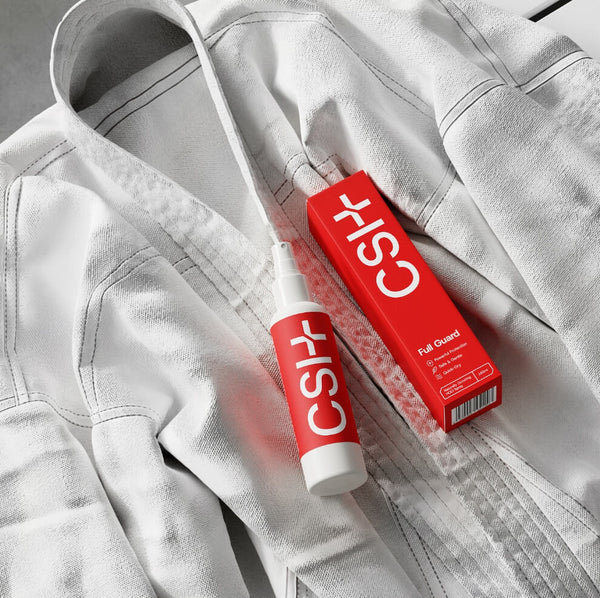
Full Guard Hypochlorous Acid Spray, 100ml
More on using hypochlorous acid in a normal skincare routine: our hypochlorous acid skincare guide.
New to hypochlorous acid skincare? Explore the full HOCl skincare range and the 6-month bundle.
Using it daily? The Full Guard 3-bottle bundle covers months of daily use and works out cheaper per bottle.
Full Guard is a cosmetic skin cleansing spray registered under the UK Cosmetic Products Regulation. It is not intended to treat, cure, prevent or diagnose any skin condition. For any active skin concern, consult a GP, dermatologist or pharmacist.
Our HOCl mist
Full Guard Hypochlorous Acid Spray
An ultra-pure, fragrance-free HOCl mist made in the UK. Rinse-free, no alcohol and no sting, it dries in a minute or two and leaves skin feeling clean and fresh, the perfect freshen-up when a shower isn't happening yet.
- 95% pure hypochlorous acid, skin-friendly pH 5.5-6.5
- Fragrance-free and non-stripping, kind to sensitive skin
- Rinse-free, dries fast, fits any bag or desk drawer
- UK-made to ISO 22716 (GMP) standards

For females with fight
The face spray for after the gym
Full Guard started on the mats. A fine, fragrance-free mist that cleanses and freshens post-workout skin in seconds, with no rinse and no residue.
See the face spray · £16.49