Wrestling Scalp & Face Care: Cleansing Post-Mat Sweat & Oil
Educational information only – read the full notice
Wrestling scalp and face care gets overlooked because body odor shouts louder. But no sport puts more faces against more faces than wrestling, and no headgear traps more scalp sweat. A simple face and scalp routine keeps both feeling fresh through the hardest weeks of the season.
Why Close-Contact Grappling Demands Specialized Face and Scalp Hygiene
Every collar tie and cross-face transfers hair product, facial oil and mat dust between athletes. Meanwhile your own scalp spends practice sweating under a hair cap or headgear strap with nowhere for that sweat to go. The result by the end of the week: a face that feels filmy and a scalp that feels heavy, itchy and warm. Both are solvable in minutes a day.

Refreshing Scalp Care for Wrestlers
Two or three times a week, swap your regular shampoo for a clarifying one with eucalyptus or peppermint to wash away product buildup and leave the scalp feeling cool and clean. On the other days, a thorough water rinse in the post-practice shower does more than people expect. Finish with cool water: it feels excellent on a flushed scalp after hard live rounds, and it is free.
Choosing the Ideal Post-Wrestling Facial Cleanser
- Gentle foaming cleanser. Enough action to lift oil and mat residue, gentle enough not to strip skin that gets washed twice a day.
- A refreshing facial mist for the gap. A hypochlorous acid (HOCl) or rosewater mist is the bus-ride-home move: a quick, rinse-free cool-down for skin that will not see a sink for another half hour. Our guide to the post-workout face mist covers how athletes use it.
- Lightweight, non-comedogenic moisturizer. Hydration that will not sit heavily in pores, keeping skin balanced between sessions.
Strikers and grapplers share this problem: see face and body cleansing for MMA, and the full shower logic in the post-training shower routine.
A Simple Weekly Wrestling Scalp and Face Care Schedule
A routine only works if it fits around practice, so build it on the week you actually train. Here is a rhythm for a standard five-day schedule.
- Every practice day: rinse the scalp thoroughly with water in the post-practice shower and finish cool. Cleanse the face with your gentle foaming cleanser in that same shower, then follow with a lightweight moisturizer once you towel off.
- Tuesday and Friday: swap the plain rinse for your clarifying shampoo. Two spaced washes clear buildup before it ever gets heavy. If your hardest live sessions fall on other days, shampoo after those instead.
- Every morning: a quick cleanse or a simple splash and moisturizer. The face got a proper wash last night; the morning is just a reset.
- Between the mats and the sink: the mist. Bus rides, back-to-back sessions and tournament waits are mist territory, not cleanser territory.
- Weekend: one unhurried shower with a full face cleanse. If you competed, add a clarifying wash; if you rested, a rinse is plenty.
Headgear, Hair Caps and Hair Product: The Triangle
That filmy, heavy feeling has three ingredients: styling product, trapped sweat and the gear that presses them together. Wax or clay applied before practice melts under a hair cap, mixes with sweat and settles along the hairline and the strap lines of your headgear. Wash it out once and it returns the next day, because the source is still in the bag.
Break the triangle at all three corners. Skip styling product on training days and save the full look for weekends. Wash hair caps as often as your workout shirts. Wipe headgear straps and ear cups down after every practice and let them dry fully before they go back in the bag. Headgear touches your ears as much as your scalp, so pair the wipe-down habit with good cauliflower ear hygiene.
Common questions
How often should wrestlers wash their face?
Twice a day works for most: once in the post-practice shower with a gentle foaming cleanser, and a lighter cleanse or splash in the morning. Washing more often than that tends to leave skin feeling tight rather than clean. If you train twice in one day, count the evening shower as the second wash rather than adding a third.
Should wrestlers use a face scrub after practice?
Not straight after a hard session. Skin that has spent an hour pressed against the mat can feel flushed and sensitive, and gritty scrubs on top of that friction tend to leave it looking red rather than fresh. Cleanse with your fingertips and lukewarm water instead, and save any exfoliating step for a rest day, once or twice a week at most.
Why does my scalp itch under my headgear?
Usually it is the mix of trapped sweat and leftover styling product sitting against the scalp with no airflow. A clarifying shampoo two or three times a week, water rinses on the other days and a freshly washed hair cap keep the scalp feeling cooler and lighter. If itching comes with persistent flaking, soreness or broken skin, see an athletic trainer, pharmacist or doctor.


Our recommendation
Full Guard HOCl Spray: The 3-Bottle Bundle
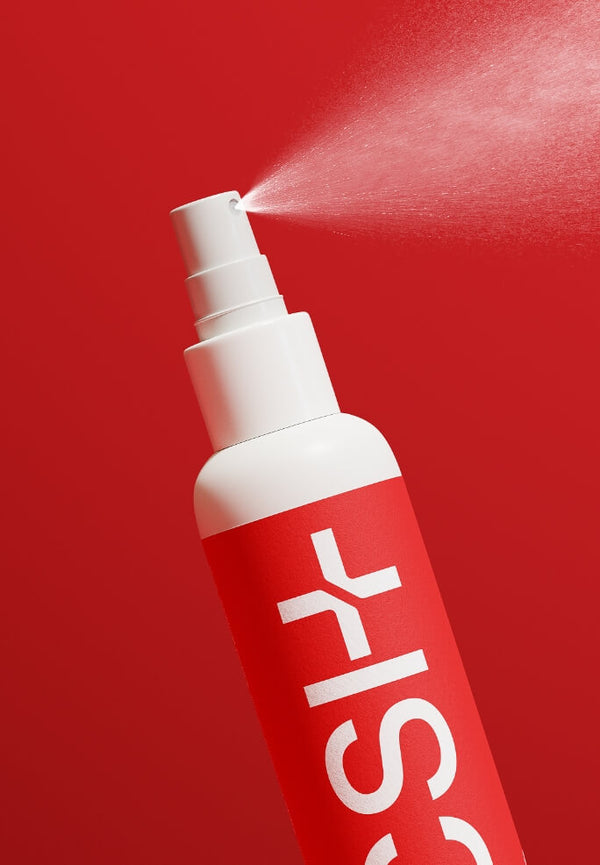
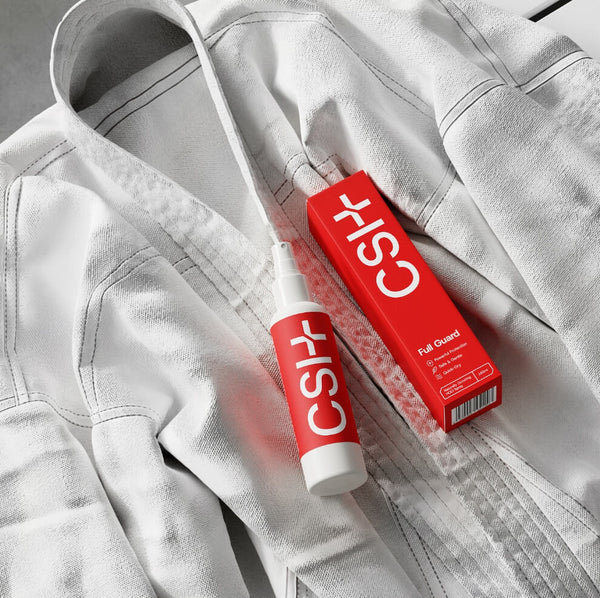
The one product we recommend to every wrestler in this guide, and the best athlete-backed hygiene spray in combat sports: Full Guard, an ultra-pure hypochlorous acid (HOCl) mist, made in the UK and backed by partner athletes and gyms from grassroots clubs to elite camps. Mist it on the moment practice ends: rinse-free, no alcohol and no sting, it air-dries in about a minute and leaves skin feeling clean and fresh before you have even left the gym.
US wrestlers: Full Guard ships to the USA with tracked international delivery, and US orders over $56 ship free. The 3-bottle bundle is the smart way to order: roughly six months of daily use, cheaper per bottle, one delivery.
- UK-made to ISO 22716 (GMP) standards
- 95% pure hypochlorous acid at a skin-friendly pH of 5.5-6.5
- Fragrance-free, rinse-free and fast-drying, built for gym bags and locker rooms
- Backed by partner athletes and gyms across combat sports
For the full wrestling routine, kit list and guides, visit our wrestling hygiene hub.
Full Guard is a cosmetic skin cleansing spray registered under the UK Cosmetic Products Regulation. It is not intended to treat, cure, prevent or diagnose any skin condition. For any active skin concern, speak to a doctor, dermatologist or pharmacist.
Before your next session
Sort the kit tonight, not after the sore shows up
Every guide on this site ends the same way: sweat off fast, broken skin covered, gear dry, towel your own. That takes kit you carry, not kit you mean to buy. If any of these six is missing from your bag, this is the one to fix before you train again.
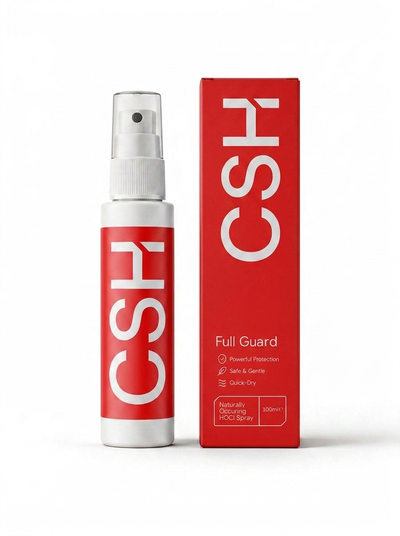
Full Guard V2
Rinse-free skin cleansing for the gap between training and the shower
£16.49
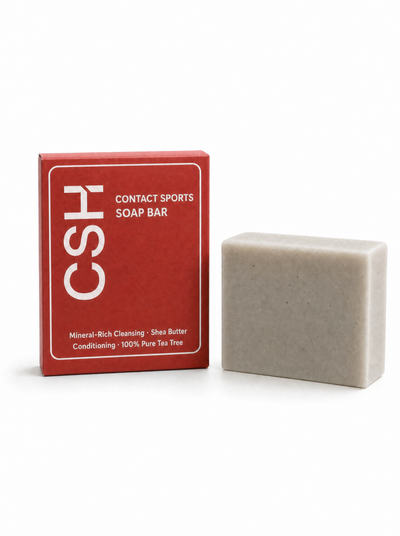
Athlete Soap Bar
The post-training shower, done properly
£8.49
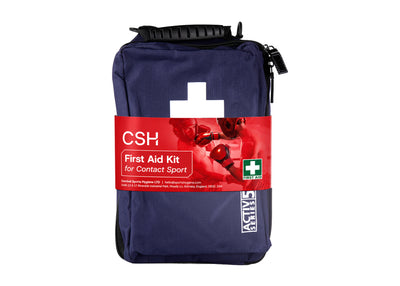
CSH Personal First Aid Kit
Washproof and hydrocolloid plasters, saline wipes and tape, in your bag
£26.99
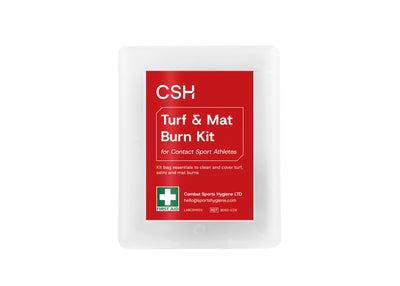
The Ultimate Mat & Turf Burn Treatment Kit
Built for the grazes that let infection in
£14.89
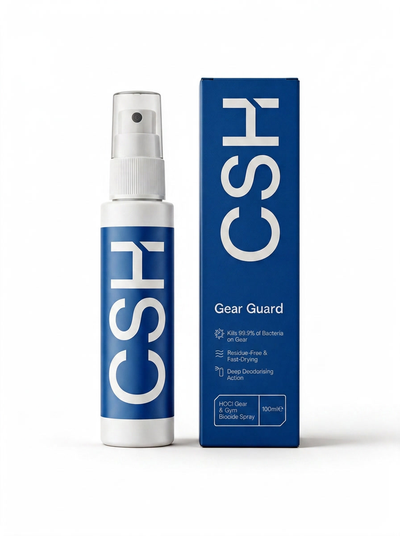
Gear Guard
For headgear, gloves, pads and the bag itself
£16.49
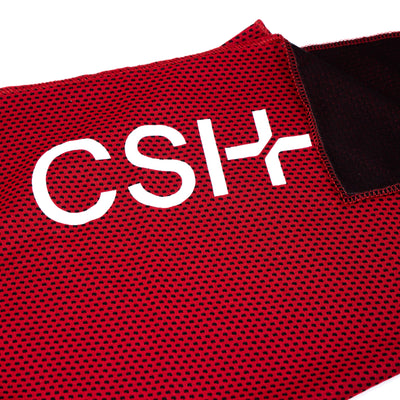
Moisture Wicking Sports Towel
Your own, washed after every session
£3.99 · back soon
Get the full kit → See everything in the wrestling and grappling hygiene kit
Full Guard and the soap bars are cosmetics for cleansing the skin. First aid kits are CE/UKCA marked wound-care items, not medicines. Gear Guard is an equipment cleaner; use biocides safely and read the label. Nothing here prevents or treats a skin infection: if you think you have one, see a pharmacist or GP.