Helmet Acne: Clearing Breakouts for Football & Hockey Players
Educational information only – read the full notice
Every August, the same thing happens. Two-a-days start, the helmet goes on for three hours a day, and by week two there's a line of pimples tracing the exact path of the chin strap. It's so predictable you could set a watch by it.

This isn't regular teenage acne, and treating it like regular acne is why it doesn't clear up. It's acne mechanica — breakouts driven by friction, heat, and trapped sweat rather than by hormones alone. We covered the broad version of this in our guide to acne mechanica and friction breakouts. This article zeroes in on the worst offender for football and hockey players: the helmet.
Why Helmets Cause Acne in the First Place
A helmet is basically a sauna strapped to your head. Padding traps heat, sweat has nowhere to evaporate, and every hit, check, and head movement grinds the liner against your skin.
That combination does three things at once:
- Heat and occlusion soften the skin and open it up to irritation.
- Sweat and oil mix with dead skin cells and get pressed into pores instead of running off.
- Friction from pads and straps inflames follicles that were already clogged, turning them into visible bumps.
The American Academy of Dermatology identifies exactly this pattern — sports equipment plus heat plus friction — as a leading cause of acne mechanica in athletes (see the American Academy of Dermatology for their guidance on sports-related breakouts). It shows up on foreheads under helmet liners, along hairlines, across the jaw — anywhere gear sits tight against skin for hours.
Why Chin Strap Acne Clusters Along the Strap Line
Parents ask about this one constantly: why does the breakout form a neat line along the jaw and chin, like someone drew it on?
Because someone essentially did. The chin strap is the single highest-pressure contact point on the whole helmet. It's cinched tight, it sits on skin that's already oily, and it moves with every rep — a small back-and-forth rub, thousands of times per practice.
Worse, the strap itself is usually filthy. Most players wash their practice jersey weekly and their chin strap approximately never. That strap absorbs sweat, oil, and grime session after session, then gets pressed back into the same strip of skin the next day. A dirty strap re-deposits yesterday's sweat onto today's face. The breakout traces the strap line because the strap is both the friction source and the delivery system.
Chin Strap Rash or Chin Strap Acne?
Not every red mark under a chin strap is acne. What's going on changes what helps, so it's worth working out which one you've got.
| Chin strap acne | Chafing and irritation | Contact dermatitis (a reaction) | Folliculitis | |
|---|---|---|---|---|
| What it is | Breakouts from heat, sweat and pressure (acne mechanica) | Skin rubbed raw by the strap | Skin reacting to something in the strap or cup material, or a cleaning product | Inflamed hair follicles, often after shaving |
| What it looks like | Blackheads, whiteheads and spots along the strap line | Red, raw or shiny skin exactly where the strap sits | Itchy, red, sometimes bumpy rash matching the shape of the strap | Small red or white-headed spots around beard hairs |
| How it feels | Tender spots | Stings and burns | Itches | Itchy or tender |
| When it shows up | Builds over weeks of the season | Can appear within a single practice | After a new strap, cup or cleaning product | A day or two after shaving |
| What helps most | Cleaning, strap fit, and washing your face after practice | Taking the friction away and letting it heal | Finding and removing the trigger | Changing how and when you shave |
| More detail | Acne mechanica | Contact dermatitis | Folliculitis |
See a doctor if: a rash is spreading, weeping or crusting, spots are turning into painful lumps, or nothing improves after a couple of weeks of cleaner kit and better habits.
The 10-Second Sideline Routine
You can't fix helmet acne mid-practice, but you can stop making it worse every time the helmet comes off. This takes ten seconds during a water break:
- Wipe the strap. Run a clean towel or wipe along the inside of the chin strap. You're getting the sweat film off before it goes back on your face.
- Blot, don't smear. Press a clean towel against your forehead, jaw, and chin. Wiping sideways drags sweat and grime across your pores; blotting lifts it off.
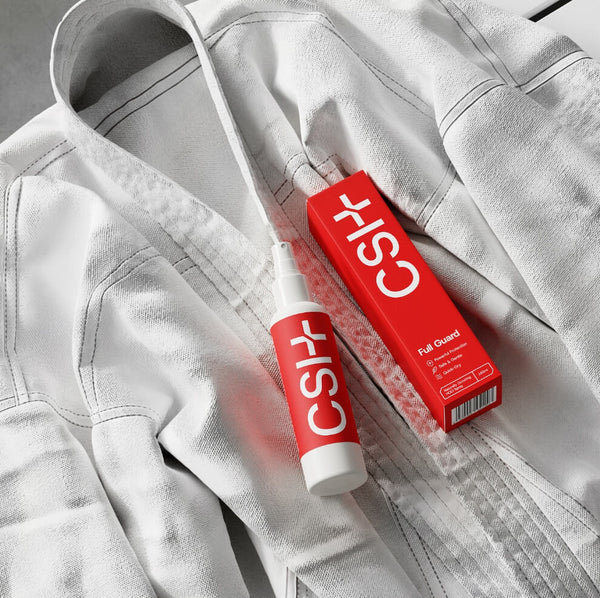
- Mist your face. A quick pass with a skin-friendly spray like Full Guard hypochlorous acid spray refreshes and cleanses skin on the go — no sink, no rinsing, no residue that stings when the sweat starts again.
Do this at every break and you've cut hours of continuous sweat-and-grime contact down to a series of short ones. That difference shows up on your skin within a couple of weeks.

The Post-Game Face-Cleansing Routine
The sideline routine is damage control. The real work happens in the twenty minutes after practice ends.
- Wash your face before you do anything else. Not after the team meeting, not after the drive home with sweat drying into your pores. Use lukewarm water and a gentle cleanser — harsh scrubbing irritates follicles that friction has already inflamed.
- Use your hands, not a washcloth. Your skin has taken enough friction for one day. Fingertips and cleanser are all you need.
- Pat dry with a clean towel. The towel that's been living in your bag all week doesn't count as clean.
- Skip heavy products before practice. Thick moisturizers and greasy sunscreens under a helmet clog pores faster. If you need sunscreen for outdoor practice, pick one labeled non-comedogenic.
No sink available? A spray-down with Full Guard and a clean towel is a solid interim step to cleanse and refresh skin until you can wash properly at home. It's a stopgap, not a substitute — the full wash still needs to happen.
How to Prevent Chin Strap Acne
Prevention is mostly about three things: less friction, less sweat sitting on the skin, and a cleaner strap.
| When | What to do |
|---|---|
| Every practice | Check the strap fit: snug enough that the helmet doesn't shift, not so tight the cup grinds into your chin |
| Every practice | Wipe the chin cup and strap after you take the helmet off |
| Every practice | Wash your face as soon as you can after practice, or at least wipe sweat off before the drive home |
| Every practice | Change out of sweaty kit before sitting around in it |
| Weekly | Take the chin strap off the helmet and wash it properly (see below) |
| Game days | Don't shave your chin and jaw right before putting a helmet on. Shave the evening before, or after. |
| All season | Don't borrow or lend helmets or chin straps |
| All season | If your league allows it, a soft chin cup cover or liner can take friction off the skin |
Hockey players: the same rules apply to chin cups, cages and visor straps. Sweat and pressure along the jaw line work exactly the same way.
Clean the Helmet, Not Just the Face
Here's the step almost everyone skips. You can have a perfect skincare routine and still break out if you're strapping a dirty helmet on every day. Research published in the Journal of Athletic Training has repeatedly shown that shared and poorly cleaned athletic equipment harbors the sweat, oil, and bacteria that drive skin problems in team sports (the National Athletic Trainers' Association publishes standards on equipment hygiene for exactly this reason).
The chin strap
- Unclip it after every practice. Straps that stay buckled in a dark, damp helmet stay damp.
- Wash it with warm water and mild soap once or twice a week — more during two-a-days. Most straps hand-wash in under a minute.
- Let it air-dry completely before it goes back on. A wet strap in a gym bag is a problem you're saving for tomorrow.
- Replace straps that stay smelly after washing or whose padding has broken down. They're cheap. Your skin isn't.
The liner and pads
- Wipe down interior padding after every session with a damp cloth or an equipment-safe wipe, and let the helmet air out — not zipped in a bag.
- Do a deeper clean weekly. Follow the manufacturer's instructions, since some liners and pads shouldn't be soaked or machine-washed.
- Store the helmet somewhere with airflow. A hook in the garage beats the bottom of an equipment bag every time.
Hockey-specific notes
Hockey players get a double hit: the helmet liner plus a cage or visor with its own chin cup, sitting in a rink bag that never fully dries. Pull the chin cup out and wash it on the same schedule as a football chin strap. And air out the bag itself — a sealed hockey bag is the humid environment where all of this starts.
How to Clean a Football Chin Strap, Step by Step
A chin strap spends every practice pressed against a sweaty face, then goes into a bag. Cleaning it once a week makes a real difference.
- Unsnap the strap from the helmet.
- Rinse off the surface sweat under lukewarm water.
- Wash with warm water and a small amount of mild soap. Use a soft brush or cloth to work into the chin cup, the padding and the strap webbing.
- Pay attention to the inside of the cup, where sweat and skin collect.
- Rinse thoroughly so there's no soap left on the part that touches your skin.
- Air-dry completely before snapping it back on. Keep it out of direct heat, which can warp the cup and damage the padding.
- Check it while it's off. Replace a strap with a cracked cup, worn padding or fraying webbing.
Two things to avoid: harsh solvents or strong cleaning products (some can damage helmet and strap materials, so check the manufacturer's care guidance), and putting it back on damp, which is how the smell starts.
| Part | How often |
|---|---|
| Chin cup and strap: wipe down | After every practice |
| Chin strap: full wash | Weekly, more often in hot weather |
| Helmet pads and liner | Follow the manufacturer's guidance, at least every few weeks during the season |
When It's More Than Helmet Acne
Most strap-line breakouts improve within a few weeks once you fix the friction, the sweat contact, and the equipment hygiene. But some don't, and those need more than a better routine.
See a dermatologist if the acne is painful, cystic, or persistent — deep tender bumps, nodules under the skin, breakouts that scar, or acne that hasn't budged after four to six weeks of consistent care. That's beyond what any cleansing routine or spray can address, and prescription treatment exists precisely for those cases. Getting seen early also matters for scarring: cystic acne that gets proper treatment quickly is far less likely to leave permanent marks.
The same goes for anything that doesn't look like acne at all — spreading redness, honey-colored crusting, or a rash that's warm and painful. Skin infections spread fast in locker rooms, and a physician should look at anything questionable before your athlete shares a bench with twenty teammates.
The Short Version
- Helmet acne is friction acne. Heat, sweat, and a moving strap cause it — not chocolate, not bad luck.
- Ten seconds per water break: wipe the strap, blot the sweat, mist the face.
- Wash your face immediately after practice, gently, with clean hands and a clean towel.
- Wash the chin strap weekly and let the helmet dry with airflow. A clean face under dirty gear loses.
- Painful, cystic, or stubborn acne is a dermatologist's job. Book the appointment.
Disclaimer: The information provided is for educational purposes and does not substitute professional medical advice. Always consult a physician for severe or worsening skin conditions.
Before your next session
Sort the kit tonight, not after the sore shows up
Every guide on this site ends the same way: sweat off fast, broken skin covered, gear dry, towel your own. That takes kit you carry, not kit you mean to buy. If any of these six is missing from your bag, this is the one to fix before you train again.
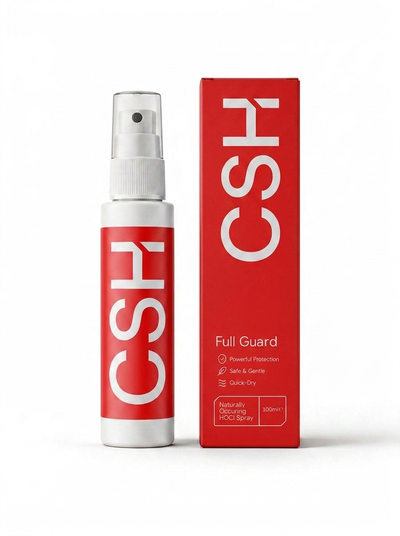
Full Guard V2
Rinse-free skin cleansing for the gap between training and the shower
£16.49
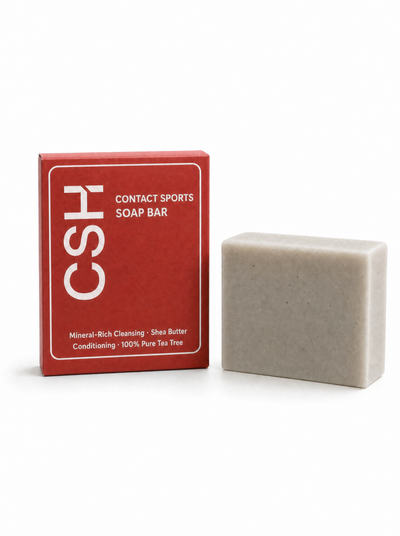
Athlete Soap Bar
The post-training shower, done properly
£8.49
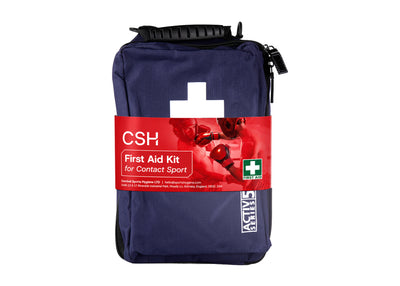
CSH Personal First Aid Kit
Washproof and hydrocolloid plasters, saline wipes and tape, in your bag
£26.99
The Ultimate Mat & Turf Burn Treatment Kit
Built for the grazes that let infection in
£14.89
Gear Guard
For headgear, gloves, pads and the bag itself
£16.49
Moisture Wicking Sports Towel
Your own, washed after every session
£3.99
Get the full kit → See everything in the wrestling and grappling hygiene kit
Full Guard and the soap bars are cosmetics for cleansing the skin. First aid kits are CE/UKCA marked wound-care items, not medicines. Gear Guard is an equipment cleaner; use biocides safely and read the label. Nothing here prevents or treats a skin infection: if you think you have one, see a pharmacist or GP.