College Wrestlers & Mat Burn Skin Care: Soothing Chafed, Rough Skin
Educational information only – read the full notice
College wrestlers mat burn skin care is its own discipline. Daily D1 and D2 practices, with relentless tie-ups and canvas friction, strip moisture from the skin surface and leave it rough, red-looking and uncomfortable. You cannot avoid friction in this sport. You can absolutely change how your skin looks and feels afterwards.
The Toll of High-Intensity Grappling on College Skin
Twice-a-day training multiplies everything: more sweat, more friction, more showers, more time in compression gear. Each of those is a withdrawal from the skin's moisture bank, and by mid-season a lot of college wrestlers are training in skin that is permanently tight, flaky and rough to the touch. The friction science is covered in our guide to mat burn and friction skin care.

How to Soothe the Feel of Chafed Skin from Wrestling
- Cleanse gently. Friction-stressed skin does not want harsh suds. Rinse with a soap-free, pH-balanced cleanser or a plain, gentle bar so cleaning up does not sting or strip.
- Cool and hydrate with botanicals. Cosmetic ingredients like aloe vera, centella asiatica and calendula are classic choices for cooling and comforting the feel of friction-worked skin.
- Seal overnight. A dense plant balm or barrier cream applied before bed helps lock hydration in while you sleep, so you are not starting the morning session already tight and dry.
One line that matters: cosmetics are for intact skin. If mat burn has actually broken or grazed the skin, keep cosmetic products off it and follow the mat burn steps in the questions below. If an area looks angry or is getting worse, let an athletic trainer, pharmacist or doctor see it. That is a different problem from dryness, and it deserves a professional answer.
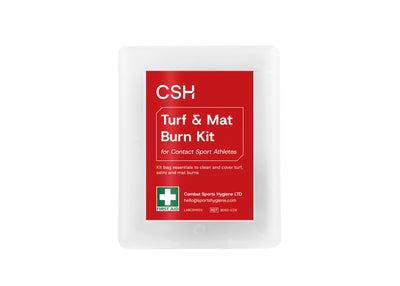
First aid, kit-bag sized
CSH Turf & Mat Burn First Aid Kit · £14.89
For the burn itself: sterile saline to flush it, cooling burn gel, non-adherent dressings and tape, in one box that lives in a gym bag.
A CE/UKCA marked first aid kit for minor friction burns, not a medicine. Anything spreading or not settling needs a pharmacist or GP.
Strengthening the Wrestler Skin Barrier
Between double days, the goal is supporting your skin barrier so it copes better with the next session. Ceramides and niacinamide are the two cosmetic ingredients worth knowing: both are widely used to support the look and feel of dry, micro-flaked skin. The basics are covered in skin barrier basics for athletes, and if your skin runs sensitive, see HOCl and sensitive skin. And do not overlook the boring one: internal hydration. Water and electrolytes across the day keep skin supple, and supple skin simply rubs better than dry skin.
The Friction Map: Where Mat Burn Shows Up First
Mat burn is not random. It follows the mechanics of the sport, and it shows up first wherever skin repeatedly meets mat, headgear or another body.
- Forearms. Every stance, sprawl and mat return drags them across canvas, so they usually look rough first. Moisturize here twice a day, not once.
- Knees. Shooting and drilling load them with pressure plus friction. Knee pads help mechanically; a rich moisturizer at night helps the skin feel less tight.
- Cheekbone. Head-inside shots plant the cheek on the mat, and the skin there is thin. Use a lighter lotion and apply it gently.
- Ear line under headgear. Straps rub the same track every session. Keep the straps clean and dry, and give this line extra attention when you moisturize at night.
- Collarbone. Collar ties grind hands and wrists across it daily, so it dries out fast. A barrier cream before bed keeps it feeling supple.
If any of these zones shows broken or scraped skin, cosmetics come off the list: let an athletic trainer see it first.
A Two-Minute In-Season Routine That Survives Double Days
Complicated routines die by week three of a college season. This one takes two minutes at each end of the day.
Morning: rinse your face and forearms with lukewarm water and a gentle cleanser, pat dry, then apply a thin layer of light lotion to the friction map zones above. That is it. The morning job is not to do more; it is to make sure yesterday's work does not get skipped.
Evening: shower as soon after practice as you can; our guide to the post-training golden window for skin cleansing covers why timing matters. While skin is still slightly damp, apply your heavier moisturizer or balm to the friction map zones, then a last layer on anything that feels tight before lights out.
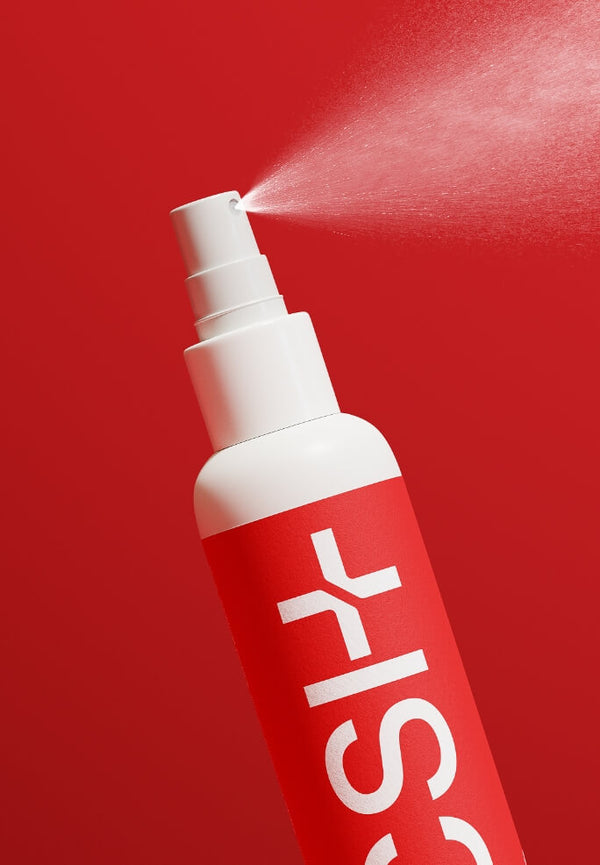
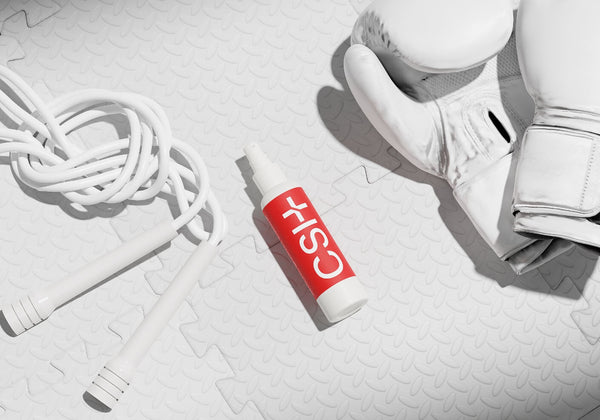
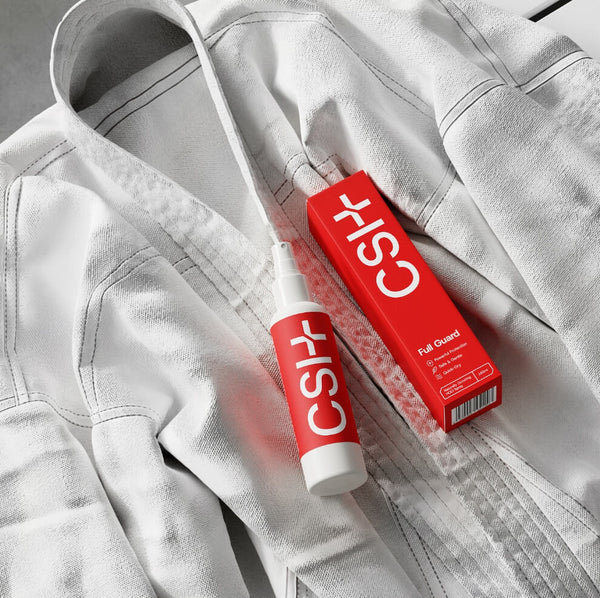
On a tournament day, a rinse-free cosmetic mist such as Full Guard can freshen up intact skin between matches. It does not replace a shower, and like every cosmetic it stays off mat burn and any other broken skin.
Consistency beats complexity. A routine you actually keep through double days will do more for how your skin looks and feels by March than an elaborate one you quit in November.
Double Days and Weekend Tournaments: Mat Burn Between Sessions
College wrestling rarely gives mat burn a day off. Double sessions followed by a weekend tournament mean the same raw patch on a forearm or knee gets dragged across the mat again before it has closed. Three habits keep it manageable:
- Treat open mat burn as a wound, not dryness. Clean and cover it before every session and put a fresh dressing on afterward. If it is still weeping or bleeding, sit the session out.
- Expect a skin check. Skin checks before practices and meets are routine in wrestling, and an open, weeping patch is exactly what gets questioned.
- Shower after each match when the venue allows it, not just at the end of the day.
Common questions
What is the fastest way of soothing chafed skin from wrestling?
Act in the first ten minutes after practice, before you get distracted by film or food. Rinse the area with lukewarm water, not hot: hot showers feel earned after a hard session, but heat strips what little surface oil chafed skin has left and makes it feel tighter and rougher afterward. Pat dry with a clean towel instead of rubbing, since rubbing just adds more friction to skin that has had plenty already. Then follow the soothing steps covered earlier on this page.
How long does mat burn usually take to calm down?
When mat burn is just rough, tight or red-looking skin that is still intact, it usually settles within a few days, and gentle cleansing and consistent moisturizing keep it looking and feeling more comfortable while it does. If the top layer has come off, that is a wound rather than dryness: keep moisturizer off it and see how long mat burn takes to heal below. Skin that looks worse over time, weeps or spreads belongs with a professional rather than a cosmetic product.
Should I moisturize before or after practice?
After practice is the one that matters: follow the evening routine above and moisturize while skin is still damp. Before practice, keep skin product-free unless your athletic trainer specifically approves something: wrestling rules restrict slick or greasy substances on skin, and anything that transfers to the mat is a problem for the whole room.
How long does mat burn take to heal?
Once mat burn has taken the top layer of skin off, it is a scrape, and scrapes usually heal within 3 to 7 days, while a large, deep scrape may take 1 to 2 weeks or longer (MyHealth Alberta: Scrapes care instructions). Mat burn over knees and elbows can take longer if the scab keeps cracking every time the joint bends, which is why keeping it clean, moist and covered matters. If it is getting more painful, swollen, warm or red instead of better each day, or you notice pus, red streaks or a fever, see your athletic trainer or a doctor the same day.
What should I put on a mat burn?
Skip rubbing alcohol and hydrogen peroxide, which can slow healing (MyHealth Alberta). Instead:
- Clean it with clean water or a sterile saline wipe, and pat the skin around it dry.
- Keep it moist and covered with a hydrocolloid dressing. At home, a thin layer of petroleum jelly under a non-stick dressing also works, but use hydrocolloid for practice, since wrestling rules restrict greasy substances on skin.
- Change the dressing when it gets wet or dirty, and put a fresh one on before the next session.
Lotions, balms and cosmetic sprays stay off it until the skin has closed.
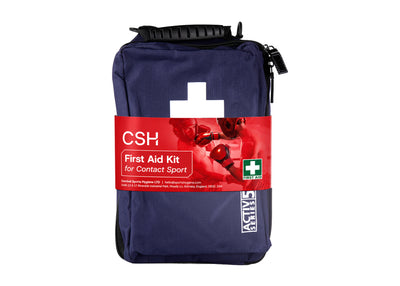
Clean and cover at practice
CSH Personal First Aid Kit · £26.99
Everything in that routine, in your own bag: sterile saline wipes, 16 hydrocolloid bandages, non-adherent pads, gauze and microporous tape.
A first aid kit of CE/UKCA marked wound-care items, not a medicine. Anything spreading, hot or not settling needs your athletic trainer or a doctor.
How can I treat mat burn from wrestling at home?
It starts with the shower straight after practice. After that, think R.I.C.E. for skin: Rinse, Isolate, Change, Evaluate (not the Rest, Ice, Compression, Elevation you use for a sprain).
- Rinse: wash the burn gently with clean water twice a day, starting with that post-practice shower.
- Isolate: keep it covered with a clean dressing so it is protected from the mat, your gear and your teammates.
- Change: put on a fresh dressing after each rinse, whenever it gets wet or dirty, and before every session.
- Evaluate: check it every day. Spreading redness, warmth, swelling, pus or a fever can mean infection, and MRSA skin infections can spread among athletes through close contact and shared items (CDC: MRSA prevention for athletes), so get it seen by your athletic trainer or a doctor promptly.

For the full wrestling routine, kit list and guides, visit our wrestling hygiene hub.
Full Guard is a cosmetic skin cleansing spray registered under the UK Cosmetic Products Regulation. It is not intended to treat, cure, prevent or diagnose any skin condition. For any active skin concern, speak to a doctor, dermatologist or pharmacist.