High School Wrestlers Post-Practice Hygiene: The Ultimate Locker Room Guide
Educational information only – read the full notice
High school wrestlers log dozens of grueling mat hours every week, and high school wrestlers post practice hygiene is where good skin habits are won or lost. Letting sweat, friction and gym grime sit on young skin after practice clogs pores and dulls skin texture. Here is the exact post-practice wash routine every high school athlete needs.
The 20-Minute Locker Room Rule
The single biggest mistake is waiting until you get home to shower. Every minute of the ride home is a minute of mat sweat, shared contact and gym dust settling onto warm, open-pored skin. Showering immediately in the school locker room, inside 20 minutes of the final whistle, keeps skin looking fresh and feeling balanced instead of tight and greasy. If your school showers are genuinely unusable, treat the gap seriously: a rinse-free skin mist and clean, dry clothes at minimum, then a proper shower the moment you walk in the door. We cover the timing logic in the post-training shower routine.

Choosing the Best Body Wash for High School Wrestlers
The best body wash for high school wrestlers is not the loudest bottle in the supermarket. Look for a short, purposeful ingredient list:
- Tea tree and eucalyptus. Classic natural botanicals that deeply cleanse and cut through stubborn mat odor, leaving that unmistakable just-showered smell.
- Charcoal and clay. Absorbent ingredients that help draw sweat residue, trapped dirt and excess surface oil off the skin as you lather.
- Glycerin and skin-friendly pH. Wrestlers shower more than almost anyone. A wash that cleans without stripping keeps twice-a-day showering from leaving skin tight and flaky.
Bar or liquid both work. What matters is that it gets used after every single practice. Our own Athlete Soap Bar is built on tea tree and Dead Sea mud, and our wrestling soap guide goes deeper on ingredients.
How to Shower After Wrestling Practice (Step-by-Step)
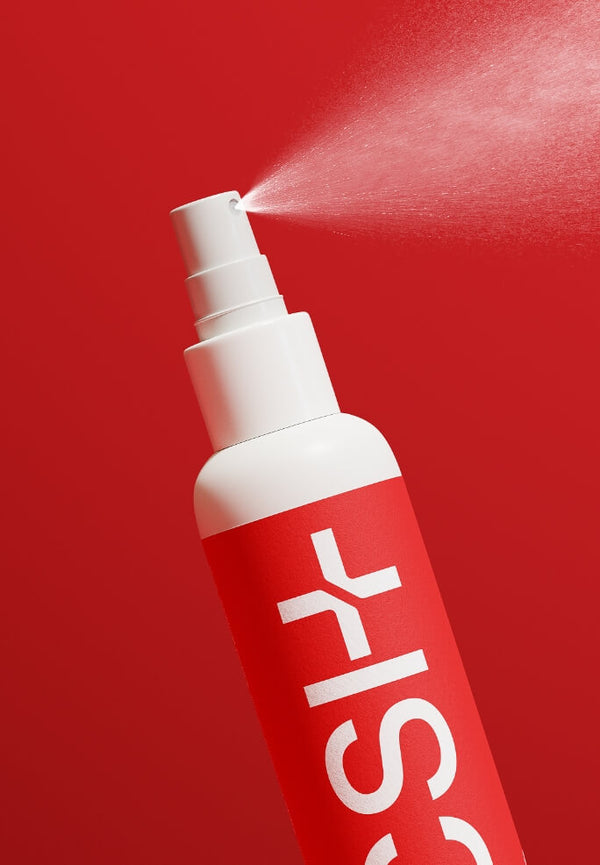
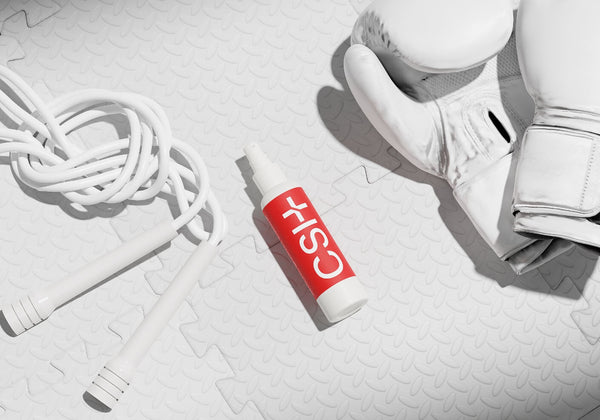
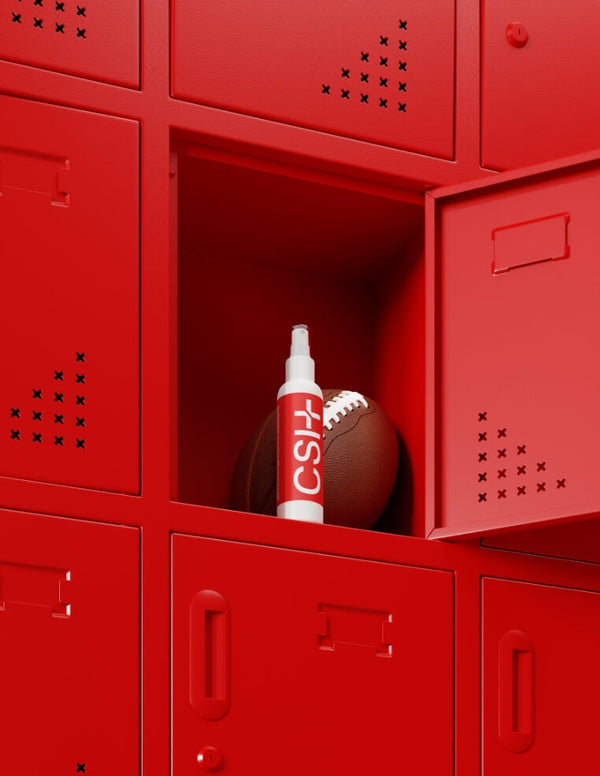
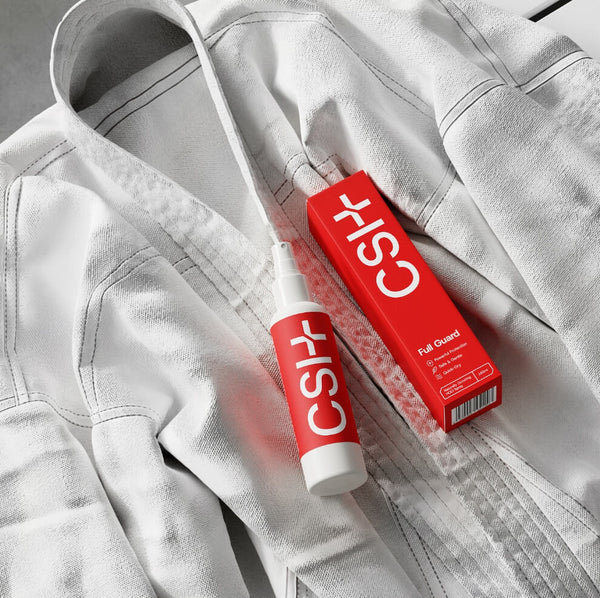
- Mat-side refresh. The moment live rounds end, mist or wipe down your face, neck and arms so sweat is not sitting on your skin while you stretch and pack up. On intact skin, a rinse-free hypochlorous acid mist such as Full Guard makes this easy: no alcohol, no sting, nothing to rinse off, and it air-dries in about a minute.
- Locker room wash. Use lukewarm water rather than scalding hot, which dries skin out, and lather thoroughly from scalp to toes. Do not rush the bits kit covered: shoulders, back, behind the knees.
- Dry completely. Towel off properly, especially between the toes, before clean clothes go on. Your towel is yours alone: see towel and equipment hygiene.
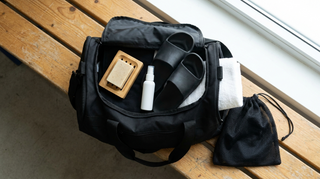
- Bag dirty gear separately. Damp singlets and tees go in a breathable mesh pouch, never loose against clean kit, and everything gets washed before the next session.
Tournament Weekends and Wrestling Camp: Hygiene Away From Home
Tournament days stretch a normal routine across eight or more hours in an unfamiliar venue. You might wrestle four matches with long waits in between, and there is rarely a shower you can use until the day is done. That changes what goes in the bag.
Pack for the whole day, not just the first match:
- Rinse-free skin mist or cleansing wipes. A quick wipe-down of face, neck and arms after each match keeps sweat from sitting on warm skin between rounds.
- A spare tee and dry socks for every match. Changing out of a damp shirt while you wait keeps you comfortable and keeps all-day gym odor in check.
- Two towels. One for mat-side use, one kept clean and folded away for the real shower later.
- A mesh pouch for used kit. Damp gear stewing against clean clothes undoes everything. Our gym bag hygiene guide covers keeping the two apart.
Between matches: if the venue has a shower you can use, the National Federation of State High School Associations (NFHS) recommends showering after each match. If not, wipe down, change your top and get warm layers on, then take a full shower the moment you are back at the hotel or home, same rules as after practice.
Camp week is the endurance version. Two sessions a day means two full showers a day, laundry every evening if machines are available, and never re-wearing yesterday's damp singlet. Hang gear to dry fully overnight instead of leaving it balled up in the bag.
Making Post-Practice Hygiene a Team Standard
Habits spread from the top of the room. When captains head straight for the showers after the final whistle, freshmen follow without being told. Coaches can help by building ten minutes of shower time into the official end of practice rather than as an optional extra, and by keeping the tone matter-of-fact: showering after practice is part of training, exactly like cooling down. On a well-run team, the odd one out is the wrestler walking to the car still in their singlet.
Skin Checks and Locker Room Cross-Contamination
Folkstyle means near-constant skin-to-skin contact, through riding, mat returns and tie-ups, so skin problems travel fast in a high school room. A 2015 NFHS article on skin infections says skin checks must be done every day before practices and meets, and that all wrestlers must shower immediately after practices and meets (NFHS: Preventing skin infections in wrestling). Under the NFHS wrestling rule printed on its model skin lesion release form, if a referee or coach suspects a wrestler has a communicable skin condition, the coach must provide written documentation from an appropriate health-care professional at weigh-ins, unless an on-site meet health-care professional examines the wrestler there, and covering a communicable condition does not make the wrestler eligible (NFHS: Wrestler skin lesion release form). Your state association decides the exact form and who can sign it.
The mat is not the only route. CDC guidance for athletes says MRSA skin infections can spread through close contact and through shared personal items and facilities, which is how one wrestler's problem becomes the team's (CDC: MRSA prevention for athletes). Three team rules help keep it contained:
- Nothing that touches skin gets shared. Towels, razors, clothing and bar soap stay personal, as the CDC advises.
- New marks get reported before practice. Tell your coach or athletic trainer about anything new on your skin before you step on the mat, not after.
- Keep gear on a cleaning schedule. The same NFHS article calls for clean workout gear for each practice, bags included, weekly washing of knee pads, and cleaning headgear with soap and water or wipes.
If a teammate is sitting out, the return-to-mat rules for impetigo and mat herpes are in our guide to impetigo in wrestling.
Common questions
What is the best body wash for high school wrestlers to bring to a tournament?
The one you already use after practice, packed in a tournament-friendly form. A solid bar in a ventilated travel case is the easiest option for a gym bag: it cannot leak over your gear and it dries out between uses. Competition day is not the time to experiment, so stick with the simple botanical wash your skin already knows.
How do you shower after wrestling practice when the locker room is packed?
Wait for a free shower rather than skipping it, and use the wait well: get out of your damp kit and into dry layers so sweat is not sitting on warm skin. When your turn comes, keep it short and focused, a couple of minutes of head-to-toe coverage beats a long soak and keeps the line moving. On the rare day a shower is genuinely impossible, fall back on the rinse-free stopgap covered earlier in this guide and wash properly as soon as you get home.
What should a wrestler do about mat burn or scraped skin?
Body wash and other cosmetics are made for intact skin only. If skin is scraped, broken or looks irritated, keep products off that area and show it to your athletic trainer, a pharmacist or a doctor before you get back on the mat. In the meantime, rinse it with clean water and cover it with a clean, dry dressing; a personal first aid kit in your bag lets you do that in the locker room. A dressing is first aid, not clearance: if it could be an infection, get it seen by a health-care professional, because covering a contagious skin condition does not make you eligible to wrestle.
Can you put wrestling shoes in the washing machine?
Not as a habit. A hot machine wash softens the adhesive that holds the sole to the upper and can warp the shoe, which is the fastest way to ruin a good pair. If the care label allows it and the shoes are fully synthetic, the safest version is a cold, gentle cycle inside a wash bag with no spin, taking them out the moment it ends. Leather and suede uppers do not survive it. If you cannot tell what the upper is made of, hand clean them, and never put them in a dryer. The full method is in our guide to cleaning training footwear.
How do you properly wash and deodorize wrestling shoes?
- Take the insoles out if they lift out. They hold most of the sweat. Hand wash them in warm water with a little detergent, rinse well and air dry them flat.
- Brush, then wipe. Brush mat dust off the outside with a soft dry brush first; suede wants a dry brush, not water. Then wipe the inside with a damp cloth and a small amount of detergent, working into the heel and toe, and wipe again with clean water so no soap is left in the lining.
- Dry them properly. Open the shoes up and let them air dry somewhere with moving air, away from direct heat, before they go back in your bag.
Skip scented sprays and deodorant: they coat the lining and trap the odor underneath instead of removing it.
How do you clean wrestling headgear?
Start with the parts that sit on skin: the chin cup, the straps and the foam around the ear guards. After practice, wipe the inside and outside with a cloth dampened with water and a little mild soap. That is the method in Cliff Keen's care instructions for its Signature headgear, which also rule out harsh chemicals and bleach. Then let it dry fully in the open air: sweaty headgear thrown straight into a closed gym bag stays damp in the foam, and that is where the smell builds. The strap line is also a classic spot for friction breakouts, covered in helmet acne and chin strap breakouts.

For the full wrestling routine, kit list and guides, visit our wrestling hygiene hub.
Full Guard is a cosmetic skin cleansing spray registered under the UK Cosmetic Products Regulation. It is not intended to treat, cure, prevent or diagnose any skin condition. For any active skin concern, speak to a doctor, dermatologist or pharmacist.