Training Footwear: Wrestling Shoes, Boxing Boots and Mat Shoes
Educational information only – read the full notice
Indoor combat footwear goes sour faster than anything else in the bag. Wrestling shoes, boxing boots and mat shoes are built thin, close-fitting and unventilated, and they spend their working life soaking up sweat on a warm mat. Left alone, they go from fresh to genuinely offensive in a couple of weeks.
The good news is that most of it is fixable, and most of the damage people do to their footwear comes from trying to fix it too aggressively. Here is what actually works, what wrecks the shoe, and how to keep a pair usable for a full season.
Why indoor combat shoes smell faster than normal trainers
Three things stack up.
First, no socks in many cases, or the thinnest possible sock. Wrestlers and a lot of boxers run minimal layers for feel. That puts sweat straight into the lining with nothing absorbing it.
Second, the construction. Wrestling shoes and boxing boots use thin suede, synthetic uppers and a soft unlined interior with almost no drainage. Running trainers have mesh panels and a chunky, airy midsole. Combat footwear is deliberately close and flat, because you want the mat under your foot, not a slab of foam.
Third, the environment. Mat rooms are warm and humid by design. You are producing sweat at the same rate as any other athlete, then sealing it into a shoe that cannot breathe, then putting that shoe into a zipped bag.
Odour is not really the sweat itself. It is what grows on the residue left behind in the lining, and the residue is what you have to remove. If you want the longer explanation of the mechanism, we covered why athletes' feet smell in the first place separately.
Myths and hacks that do not work
Almost every "trick" you have been told is either useless or actively destructive.
- Freezing them overnight. The most persistent one. Cold slows things down, it does not remove the residue feeding the smell. Take them out, warm them up, sweat in them, and you are back where you started. You have also just put your shoes in with the food.
- A hot machine wash at 60 or 90 degrees. Heat is exactly what softens the adhesive holding the sole to the upper. It also shrinks suede and warps the toe box. This is the single fastest way to turn a good pair into a bin pair.
- Tumble drying to bake the smell out. Heat tends to set odour into synthetic fibres rather than removing it, and the drum batters the sole bond. Never put boots or wrestling shoes in a tumble dryer.
- Neat bleach. On synthetic uppers and stitching it yellows, weakens and eventually shreds the material. On suede it is instant, obvious damage.
- Doubling the detergent. Extra detergent does not always rinse out. Residue can stay in the lining and give bacteria something to feed on, so the shoe smells worse a week later.
- Fabric softener or scented sprays. Softener coats fibres and traps the odour underneath a floral layer. Spraying deodorant or aftershave into a boot does the same thing and produces the specific smell everyone in a changing room recognises instantly.
- Leaving them sitting in vinegar for days. A long soak wrecks the glue line and the insole foam, and vinegar on its own is not doing what people think it is doing.
One more distinction worth making: everything here is about indoor footwear. Outdoor boots are a different problem.
How to actually clean them
Treat cleaning as surface work plus drying, not as a wash cycle.
- Pull the insoles out and wash them separately. They hold most of the sweat. Hand wash in warm water with a small amount of ordinary detergent, rinse properly, air dry flat.
- Brush the outside dry first. A soft brush takes off chalk, mat dust and sweat salt before you add water. Suede especially wants a dry brush, not a soak.
- Wipe the inside with a damp cloth and a little detergent. Work into the heel and toe, where the lining takes the most abuse, then wipe again with clean water so nothing is left behind.
- If you must machine wash, keep it cold or 30 degrees, gentle cycle, inside a pillowcase or wash bag, no spin. Some synthetic wrestling shoes survive this fine. Leather boxing boots and suede uppers do not. When in doubt, do not.
- Take them out of the machine straight away. Anything left sitting damp in a drum for hours comes out smelling like it was never washed.
Never use a radiator or hair dryer to speed drying. Direct heat is what separates soles. An airing cupboard is not much better, because the air in there sits still. Stuff the shoes loosely with newspaper or plain kitchen roll, change it after an hour, and leave them somewhere with moving air. A cheap boot dryer that runs cool air is the one gadget genuinely worth owning.
Rotation, insoles and the bag
The habit that fixes more smell than any cleaning product is simply not putting damp shoes back in a sealed bag.
Unzip the bag the moment you get home. If you train four or more times a week, two pairs in rotation gives each pair a proper 24 hours to dry out, and both pairs last noticeably longer than one pair worn into the ground.
Replace insoles when they go flat and grey. They are cheap, they carry the worst of the residue, and a fresh set resets a shoe that feels beyond saving. A second set of insoles rotating alongside the shoes is even better.
I once left a full kit bag in the boot of the car after a Friday session and did not open it until Monday. The gi was survivable. The wrestling shoes had gone somewhere else entirely, and the smell had transferred into the bag lining so thoroughly that the bag itself needed dealing with before the shoes did. That is the actual lesson: the bag is part of the problem, and it needs cleaning on the same schedule as what goes in it.
Where a HOCl gear spray fits
Some items cannot go in a machine at all. That is the category a dedicated gear spray sits in, used according to its label.
a dedicated HOCl spray made for gear is a textile and equipment product. It is intended for kit, pads, gloves, shin guards and bag linings: the items you cannot realistically put through a machine. In the context of footwear that mostly means two things, the inside of the bag the shoes live in, and hand clean only boots and mat shoes that are never going near a drum. Follow the directions on the label.
Two things to be clear about. It is not for use on skin. HOCl also turns up in skincare products, but those are formulated for a completely different job and the two are not interchangeable in either direction. And it is a step in a routine, not a substitute for one. Clean kit, dry kit and rotated kit is still the foundation. A gear spray is an additional step on top of that, not a replacement for it.
True
Mat shoes, and why outdoor shoes never touch a mat
Mat shoes exist to solve a specific problem: getting from the changing room to the mat, and off the mat to the toilet, without carrying whatever is on the floor back onto the training surface with your bare feet.
The rule is simple and non-negotiable in any well-run gym. Shoes that have been outside do not go on the mat. Ever. Street soles carry everything from the pavement, the car park and the toilet floor, and a mat is a surface that dozens of people press their faces into.
Keep a pair of slides or lightweight mat shoes that live in the bag and only ever get worn indoors between the changing room and the mat edge. Wipe the soles down weekly. It is one of the cheapest hygiene habits to adopt and it takes no effort at all.
The purpose-built option
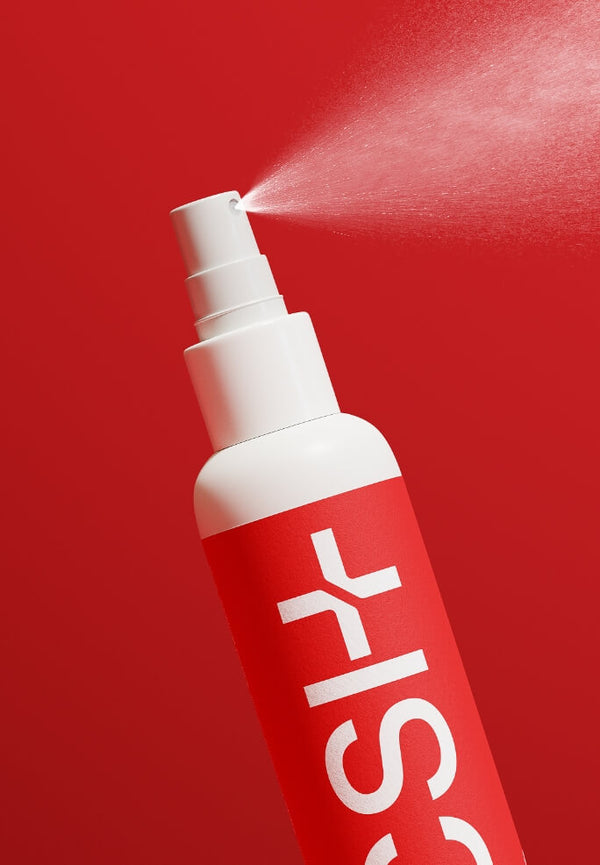
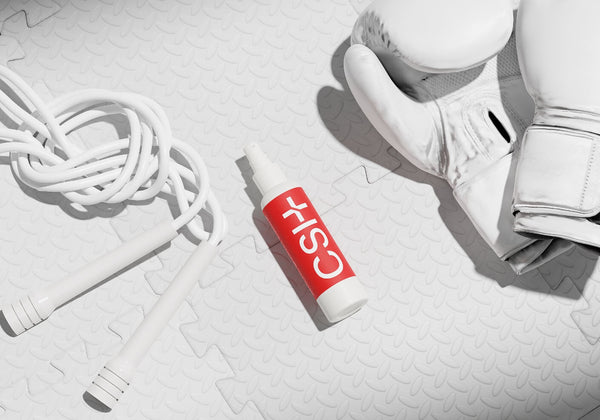
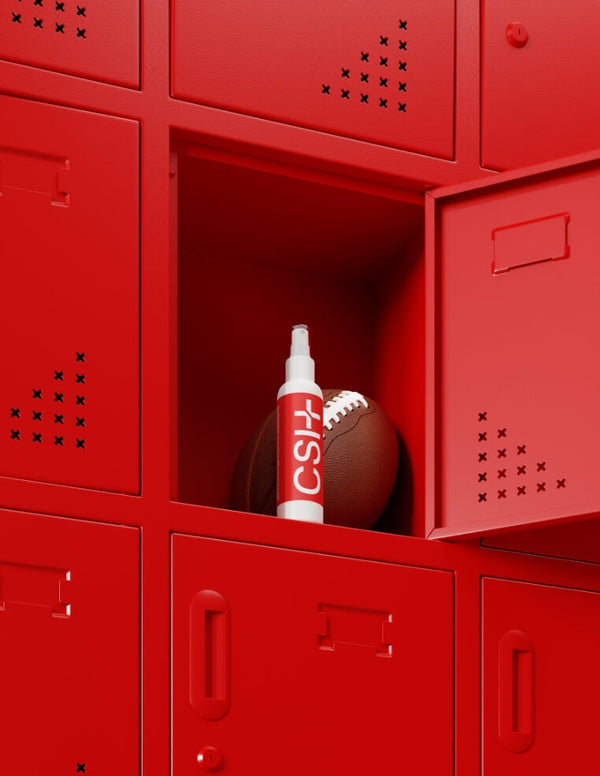
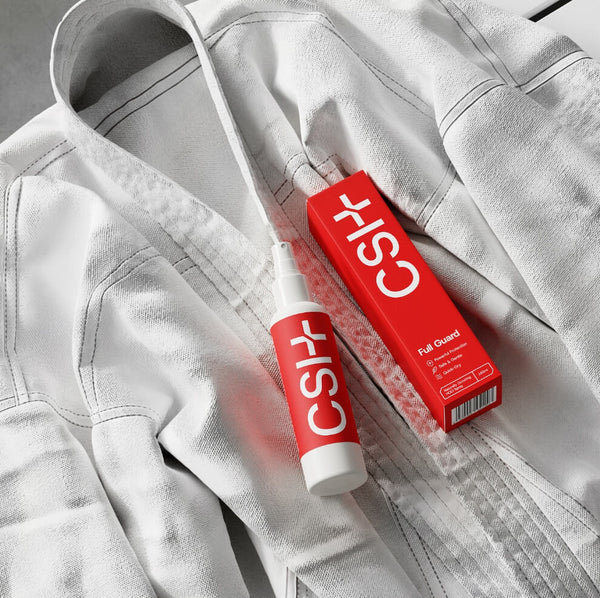
For the hard parts of training footwear, the uppers, soles and outer surfaces of wrestling shoes and boxing boots, Gear Guard does the same job it does on gloves. Spray, wait a minute, wipe, air dry. The full method and comparison is on the Gear Guard guide page.
FAQ
Can I put wrestling shoes in the washing machine?
Sometimes, if they are fully synthetic, on a cold or 30 degree gentle cycle inside a wash bag with no spin, and removed the moment the cycle ends. Leather or suede boxing boots should be cleaned by hand only. If you cannot tell what the upper is made of, hand clean.
Why do my boots smell again a day after cleaning?
Usually one of two things: they were not dried all the way through, or there is detergent residue left in the lining. Rinse more thoroughly, use less detergent, and give them a full 24 hours of air drying before wearing them again.
Do odour balls and charcoal pouches work?
They help a little between sessions by absorbing moisture, which is genuinely useful in a bag. They are not a cleaning method, though. They manage the air, not the residue in the lining, so they only work on top of an actual routine.
Use biocides safely. Always read the label and product information before use.

For the gear that can't be washed
Gear Guard Equipment Cleaner Spray
A targeted HOCl surface spray for the kit no washing machine can help: gloves, pads, headgear, boots and bag linings. Spray until visibly wet, wait 60 seconds, wipe, and let it air dry.
- Independently tested surface biocide (BS EN 13727, BS EN 1650)
- One-minute contact time, then wipe and air dry
- No fragrance, dries clear, nothing left behind once dry
- 100ml fine mist, hundreds of targeted sprays, UK-made
Use biocides safely. Always read the label and product information before use. Gear Guard is for equipment, not skin. Fabric kit goes in the washing machine.