How to Clean Boxing and MMA Gloves, Inside and Out
Educational information only – read the full notice
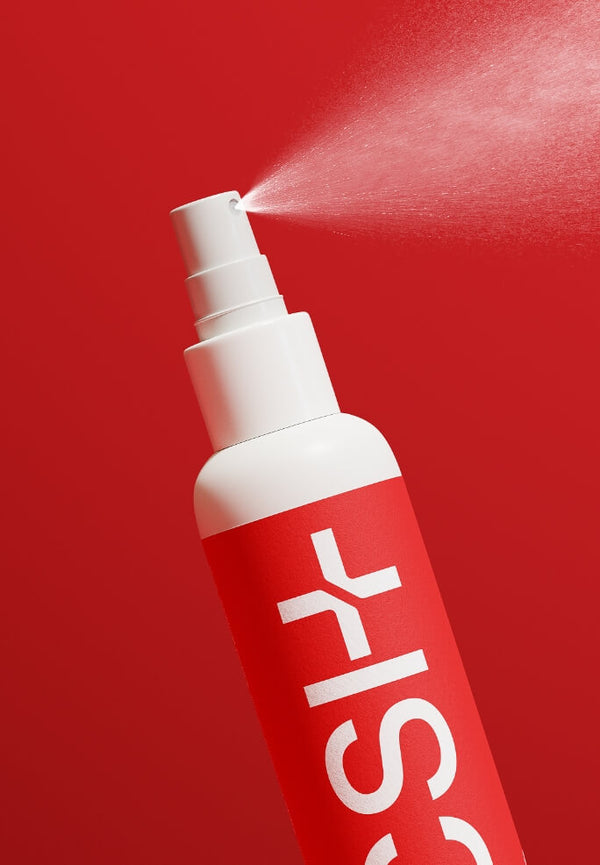
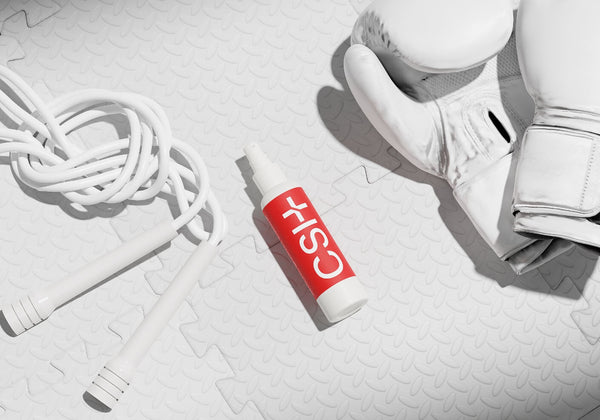
Boxing and MMA gloves are, in my experience, the worst-smelling thing in most gym bags. Not because they get dirty on the outside, but because the inside is a sealed, padded, sweat-soaked tube that never fully dries between sessions. The outside wipes clean in ten seconds. The inside is the actual problem, and almost nobody deals with it properly. If you want the short version, it's a purpose-built spray: Gear Guard, sprayed inside and out, 60 seconds, wipe, air dry. The long version, including what ruins gloves, is below.
Here is what actually works, what is a waste of time, and what will quietly destroy a decent pair of gloves.
Why gloves never dry on their own
A glove is foam wrapped in leather or synthetic leather, with a lining that sits against your hand. Sweat soaks through the lining into the foam. Foam holds water. Leather does not breathe well and synthetic leather barely breathes at all. The one opening, the cuff, is usually strapped closed the second you finish.
So you have moisture trapped in an absorbent material, at body temperature, in the dark, with a fresh feed of skin cells, sweat salts and whatever was on your wraps. That is where the odour comes from. It is residue, not dirt in any visible sense.
This is also why gloves that look immaculate can smell appalling. You are not cleaning a surface. You are drying a sponge.
The after-session routine that does most of the work
Most of glove hygiene is what you do in the first five minutes after training. It takes almost no effort and it is the single biggest difference between gloves that stay tolerable and gloves that become a changing room legend.
- Unstrap them properly. Velcro fully open, wrist opened out. Do not fold the cuff back over.
- Wipe the inside. A cloth or a dry gym towel pushed into the hand compartment, or an old sock over your fingers. Get into the finger channel and the thumb, which is where sweat pools.
- Wipe the outside. Damp cloth over the leather, then dry it. You are removing sweat and other people's sweat, not scrubbing.
- Open them wide and let air in. Palm up, cuff open, somewhere with moving air.
- Do not put them straight in the bag. This is the whole ball game. A zipped bag is a warm, humid box. There is a reason damp kit should never live in a closed bag between sessions.
If you have to carry them home in the bag, take them out the moment you walk through the door. Not later. Later becomes tomorrow.
The same logic applies to your hands. Sweat, glove lining and skin all sit against each other for an hour, so washing your hands and skin after glove work is part of the same routine, not a separate one.
Deep cleaning without soaking
Every few weeks, gloves need more than a wipe. The rule is simple: damp, never wet. Water that gets into the foam does not come out, and foam that stays wet for days comes back worse than it started.
What works:
- A cloth wrung out in warm water with a small amount of mild detergent or a gentle soap. Wrung out properly, so it is barely damp.
- Work the inside in sections. Lining, finger channel, thumb, cuff. Change to a clean part of the cloth as you go.
- Go over it again with a cloth wrung out in plain water to lift any soap residue. Residue attracts moisture and feeds the exact problem you are solving.
- Leather exteriors: a plain damp cloth, or a leather-specific cleaner. Detergent strips the oils from leather. Once fully dry, a light leather conditioner, sparingly.
- Synthetic outers: the barely damp detergent cloth is fine here, followed by a plain-water wipe.
- Dry them open, cuff up, at room temperature, away from radiators and direct sun. Heat cracks leather and cooks the glue.
Give it a full day. Two if your flat is cold. A glove that feels dry at the lining can still be wet in the foam.

Gear Guard: the spray built for the kit that can't be washed
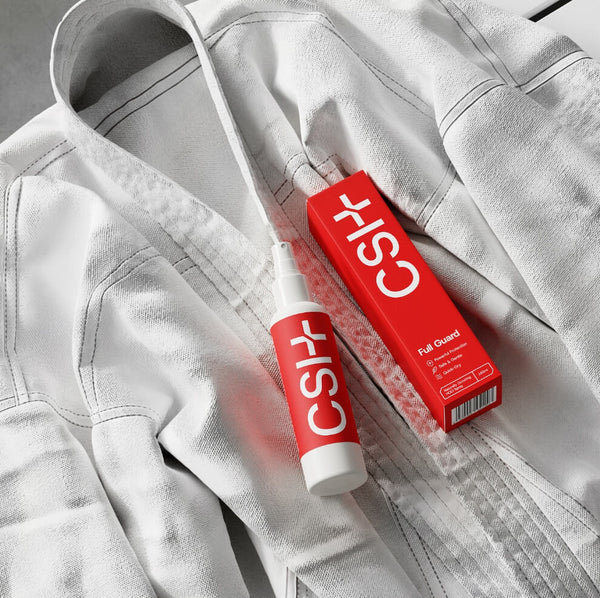
Kills 99.999% of bacteria and 99.99% of fungi in 60 seconds, tested to BS EN standards. No fragrance, no residue, kind to leather and foam. 100ml, UK made, £16.49.
Myths and hacks that do not work
The washing machine. The one everyone asks me about. It waterlogs the padding, the drum batters the seams, the foam compresses unevenly and never recovers, and leather comes out ruined. Even on a delicate cycle. Gloves are not machine-washable kit, and no amount of pillowcases and mesh bags changes what water does to foam.
Freezing them. Popular and useless. Cold does not remove the residue that causes the smell. You get a cold glove that smells the same an hour after it thaws.
Newspaper stuffed inside. Half a myth. Paper does absorb some moisture, but it packs the glove tight and blocks airflow, and newsprint can mark a pale lining. Open air beats stuffing.
Neat bleach. On glove lining or any technical fabric it degrades fibres, discolours everything and leaves you with a glove that smells of bleach and then, a week later, of glove again.
Tumble drying or the radiator. Heat does not bake the smell out. It sets it.
Deodorant, aftershave, air freshener or anything scented. Fabric softener belongs in the same bin here: scented, film-forming products sprayed or soaked into a lining sit on top of the residue rather than removing it. It smells worse, not better, and anything alcohol-based can dry out the lining.
My own contribution to the genre
I once left a gi and a pair of gloves in a holdall in the boot of the car on a Friday after training and did not think about it until Monday morning. The gi survived a wash. The gloves did not really survive anything. You could smell the bag from outside the car with the doors shut. Then I made it worse: I deep cleaned them three times over a fortnight, which was the wrong call, because they never got the days of drying between cleans that they needed. Two days sealed in a bag is enough to finish a pair.
Rotation and drying kit
If you train more than twice a week, a second pair changes everything. Not because you need two pairs of gloves, but because a glove often is not dry by the next session and you are never going to give it the time it needs with one pair. Alternate them. Cheaper pair for bag work, better pair for sparring, and both get a proper rest.
Glove dryers, the powered tubes that push room-temperature air into the hand compartment, are genuinely useful. Unscented cedar or silica inserts help a bit between sessions, but they are a top-up, not a substitute for air. Whatever you use, the glove has to be open.
Where a gear spray fits
Some kit cannot go through a wash cycle at all. A dedicated hypochlorous acid (HOCl) spray made for gear is a textile and equipment product for exactly those items: gloves, pads, liners and bag interiors. Spray, allow to dry fully, and air the item as usual.
Two things to be clear about. It is not for use on skin: HOCl also appears in skincare products, but those are formulated for a completely different job and the two are not interchangeable in either direction. And it is one step in a routine, not a substitute for one: clean, dry, rotated kit remains the foundation.
Use biocides safely. Always read the label and product information before use.
The purpose-built option
Gloves are the exact use case Gear Guard was designed around: kit that takes the most sweat and can never go in a machine. Spray, wait a minute, wipe, air dry. The full method and comparison is on the Gear Guard guide page.
FAQ
Can I put boxing gloves in the washing machine on a cold delicate cycle?
No. Temperature is not the issue: the damage comes from water soaking into the foam and the drum working on the seams, whichever cycle you choose. Wipe, damp clean, air dry.
How often should I deep clean my gloves?
Wipe out after every session. A proper damp deep clean every two to four weeks, depending on how much you train and how hard you sweat. If they smell before then, you are usually missing a drying problem, not a cleaning one.
My gloves still smell after a deep clean. What now?
Almost always incomplete drying. Give them several days fully open in a well-ventilated room, ideally with a glove dryer, and stop using them in the meantime. If the lining is torn and sweat has been going straight into the foam for months, the gloves may simply be finished. And if you have any concern about your skin rather than your kit, see a pharmacist or GP.

For the gear that can't be washed
Gear Guard Equipment Cleaner Spray
A targeted HOCl surface spray for the kit no washing machine can help: gloves, pads, headgear, boots and bag linings. Spray until visibly wet, wait 60 seconds, wipe, and let it air dry.
- Independently tested surface biocide (BS EN 13727, BS EN 1650)
- One-minute contact time, then wipe and air dry
- No fragrance, dries clear, nothing left behind once dry
- 100ml fine mist, hundreds of targeted sprays, UK-made
Use biocides safely. Always read the label and product information before use. Gear Guard is for equipment, not skin. Fabric kit goes in the washing machine.
More kit care
- Cleaning Combat Sports Gear That Cannot Go in the Washing Machine
- How to Wash Boxing Hand Wraps (and Stop Them Going Stiff)
- Shin Guards, Thai Pads and Focus Mitts: Cleaning Foam and Synthetic Leather
Why Gloves Breed Trouble (and Why Vinegar Won't Save You)
A glove after training is a sealed, dark, body-warm pocket of damp foam — close to ideal growing conditions for the bacteria that cause both the smell and the skin trouble. Knuckles carry micro-cuts from pad work, and every session presses them back into that environment.

The honest word on home remedies: vinegar sprays and baking soda mostly mask odour at the surface. Neither addresses the moisture cycle in deep foam, which is why the smell returns within a week. What actually works is the routine: gloves out of the bag the moment you get home, straps wide open, dried palm-up somewhere with airflow — and a gear-freshening spray to help keep liners clean and cut odour between sessions (see the CSH equipment spray).
- After every session: wipe outer surfaces, open fully, air-dry — never in the sealed bag, never on a radiator (heat cracks synthetic leather).
- Weekly: a deeper interior freshen and a hand-wrap hot wash — wraps absorb most of the sweat and protect the glove interior, so wash them properly and rotate pairs.
- Knuckle skin: shower promptly and keep any broken knuckle skin clean and covered — staph needs a way in; see MedlinePlus on staph.