Best Hypochlorous Acid Spray UK (2026): Every Type Explained and How to Choose
Educational information only – read the full notice
Share
The short answer: the best hypochlorous acid spray depends on what you want it for. For your face and body, look for a cosmetic HOCl mist with a stated concentration (usually 100 to 200ppm), a skin-friendly pH, no fragrance or alcohol, opaque packaging and a clear shelf life. For gloves, pads and surfaces, you want a tested biocide, not a face mist. For wounds or eyes, you want a product made and regulated for that job. They're all "hypochlorous acid", and they are not interchangeable.
Below is every type of HOCl spray you'll come across in the UK, what each is for, and the checklist we'd use to pick one. We make two of them, and we'll say where, but this guide doesn't name other brands. It's about knowing what to look for on any label.
What hypochlorous acid is, in one paragraph
Hypochlorous acid (HOCl) is a simple molecule of hydrogen, oxygen and chlorine. Your own immune cells make it. Manufactured HOCl is made by passing an electric current through salt water and then stabilising the result so it lasts in a bottle. The same molecule turns up in face mists, eye-care products, wound-care solutions and disinfectants. What changes between them is the concentration, the pH, how pure and stable it is, and above all which rules the product is made and sold under. More on the chemistry in how hypochlorous acid works.
The types of hypochlorous acid spray
1. Face and body mists (cosmetics)
The type most people are searching for. Sold as a cleansing or refreshing mist for face and body, usually somewhere between 50 and 200ppm. In the UK these are cosmetics, which means they must have a safety assessment, a responsible person and an ingredients list, and they can't claim to treat or prevent any condition. Good for: after the gym, after shaving, travel, a gentle step in a skincare routine. Watch for: no stated concentration, fragrance added, clear bottles, vague or missing shelf life.
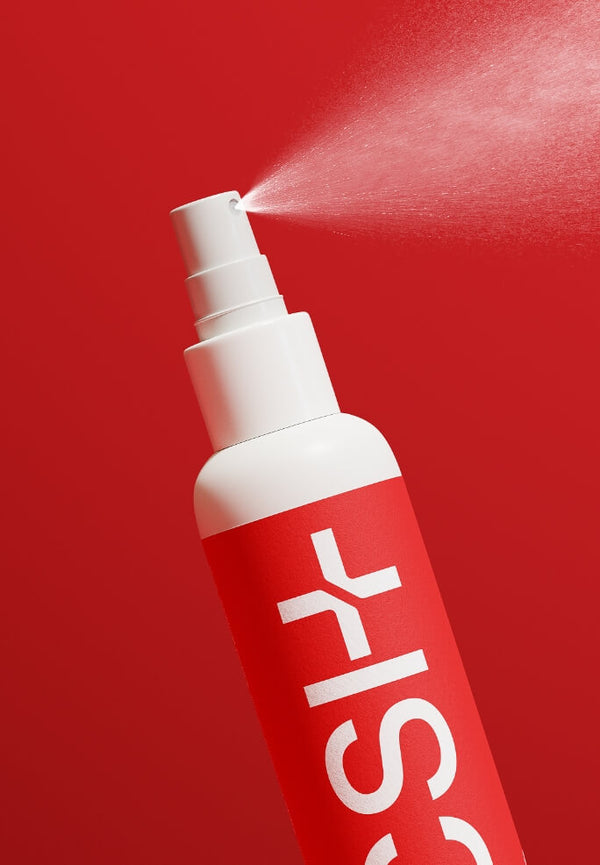
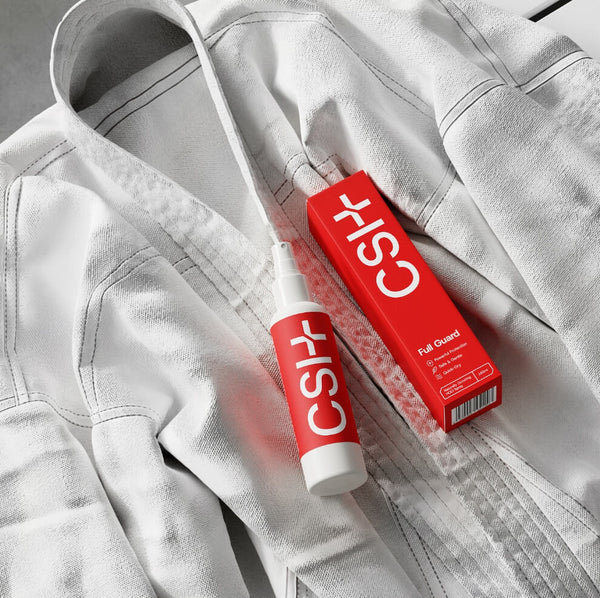
Ours: Full Guard V2 is a 200ppm cosmetic HOCl spray, pH 5.5 to 6.5, fragrance and alcohol-free, 100ml so it's cabin-bag legal, made in the UK to ISO 22716.
2. Higher-strength skin sprays (300ppm and up)
Some sprays sold for skin go to 300ppm or more, often marketed for sport or body use. Higher is not automatically better for skin you spray every day: above a certain point there's no extra cleansing benefit for normal use, and some people find stronger mists drying or tingly on the face. Stability and pH matter more than the headline number. If you buy one, check it's still labelled as a cosmetic for skin, and patch test first. Our ppm guide goes into the detail.
3. Eyelid and eye-area sprays
Sprays designed for the eyelids and lash line are usually sold as medical devices rather than cosmetics, often sterile and in specific packaging. If you want something for your eyes or eyelids, use a product made and labelled for that, and speak to an optometrist or pharmacist if you have symptoms. Don't use a general face mist as an eye product. See eyelid hygiene sprays.
4. Medical and wound-care hypochlorous acid
Hypochlorous acid solutions are used in wound care in clinics and hospitals. These are medical devices, regulated by the MHRA and carrying a UKCA or CE mark, and they're used under clinical guidance or as directed on the pack. A cosmetic face mist is not a wound-care product and can't be sold as one. If you have a wound that needs more than cleaning and covering, see a pharmacist, practice nurse or GP.
5. Kit and surface sprays (biocides)
HOCl is also a highly effective disinfectant, so it's sold as a biocide for equipment and hard surfaces. These products are allowed to make kill claims, but only claims backed by testing to recognised standards such as BS EN 13727 (bacteria), BS EN 1650 (fungi) and BS EN 13697 (surfaces). They are not for skin. Good for: gloves, pads, headgear, gym equipment, surfaces.
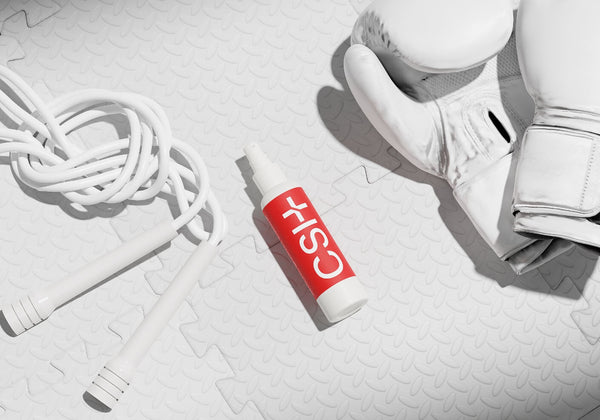
Ours: Gear Guard is a 200ppm HOCl kit spray that kills 99.999% of bacteria and 99.99% of fungi in 60 seconds, tested to BS EN 13727, 1650 and 13697. No alcohol, so it won't dry out leather or foam.
6. Household cleaning HOCl
Ready-to-use cleaning sprays for kitchens, bathrooms and around the house. Often perfectly good at what they do, but they're made for surfaces, not skin. Look for test data behind any "kills 99.9%" claim, and don't put a household cleaner on your face unless the label says you can. More in our guide to hypochlorous acid cleaning spray.
7. Make-it-yourself generators
Countertop machines that turn salt, water and vinegar into HOCl at home. Cheap per litre, but the concentration and pH depend on how much salt, how long it runs and the water you use, and the result starts breaking down within days. Fine for some household cleaning if used as the maker says; not something we'd put on a face, because nobody knows what's in that particular batch.
8. Pet sprays
HOCl is also sold for animal skin and coats. Use products made for pets and ask your vet first, especially for cats.
How to choose: the label checklist
- What it's for, in writing. Cosmetic for skin, medical device for wounds or eyes, biocide for surfaces. Match the product to the job.
- A stated concentration. In ppm. No number is a red flag.
- pH. Around 5 to 6.5 is skin-friendly and keeps HOCl in its most stable form. See why pH matters.
- Shelf life and storage. HOCl slowly turns back into salt water. A good product states a shelf life and comes in an opaque bottle. More on how long HOCl lasts.
- Nothing you don't need. For skin: no fragrance, no alcohol.
- Where it's made and who's responsible. A UK or EU responsible person and a named manufacturer.
- Evidence behind claims. Kill claims belong on biocides with test standards named. A face mist claiming to kill germs on your skin or treat a condition shouldn't be making that claim.
- A faint pool smell. Normal for genuine HOCl while it's wet. A heavily perfumed "HOCl" is worth questioning. Why it smells.
- Price per ml. Compare like for like: same concentration, same size.
Buying hypochlorous acid spray on the high street
HOCl has moved from niche to mainstream, so if you're looking for hypochlorous acid spray in Boots, Superdrug, Home Bargains or a supermarket, the checklist above applies to whatever's on the shelf. Two things catch people out: buying a cleaning spray when they wanted a face mist, because both say "hypochlorous acid" on the front, and buying a clear bottle that's been sitting under shop lights. Turn it over, find the concentration, the pH, the shelf life and what it's for. If those aren't there, put it back.
Our recommendations by use
- Face and body, after training or every day: a 100 to 200ppm cosmetic mist, fragrance-free. Ours is Full Guard V2, or the 3-pack for gym bag, home and car.
- Gloves, pads, headgear and kit: a tested biocide. Ours is Gear Guard.
- Eyes, eyelids, wounds: a product made and regulated for that job, with advice from an optometrist, pharmacist or nurse.
- Around the house: a household HOCl cleaner with test data.
Questions people ask
What's the best hypochlorous acid spray in the UK?
The one made for what you're using it on. For skin, a stable, fragrance-free cosmetic mist with a stated concentration around 100 to 200ppm, a skin-friendly pH and a clear shelf life. For kit and surfaces, a biocide tested to BS EN standards.
Is a higher ppm better?
Not for skin you spray every day. Stability, pH and purity matter more than a big number. See our ppm guide.
Can I use a cleaning hypochlorous acid spray on my face?
Only if the label says it's for skin. Cleaning sprays are made and tested for surfaces.
Is cosmetic HOCl the same as medical hypochlorous acid?
Same molecule, different products and different rules. Medical HOCl is a regulated medical device for wound or eye care; a face mist is a cosmetic and can't claim to treat anything.
Is hypochlorous acid safe?
Used as directed, a well-made cosmetic HOCl mist is gentle enough for daily use. Read our full guide to whether hypochlorous acid is safe.
Related: hypochlorous acid spray for face, HOCl vs bleach, Full Guard HOCl spray.
Full Guard is a cosmetic product for cleansing the skin and does not treat or prevent any condition. Gear Guard is a biocidal product: use biocides safely and always read the label and product information before use. This guide is general information, not medical advice.